How to Prevent Drug-Drug Interactions in Elderly Patients: A Complete Guide
The Hidden Dangers of Multiple Prescriptions
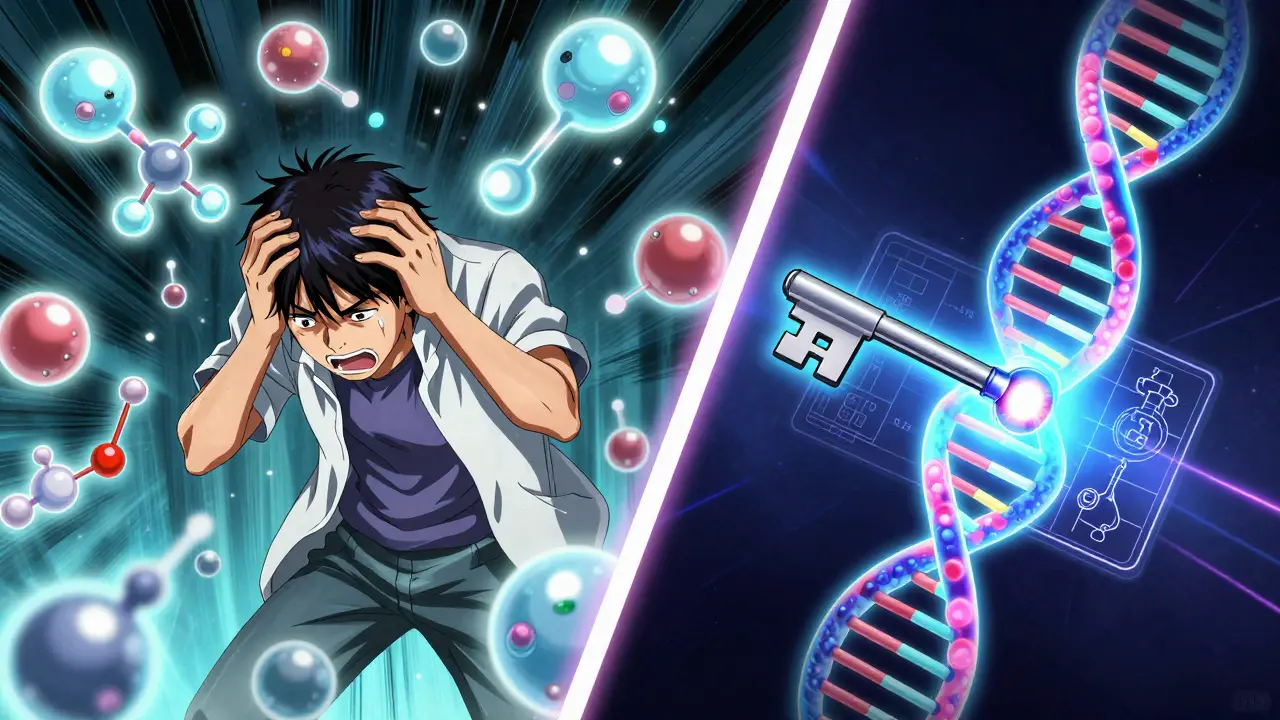
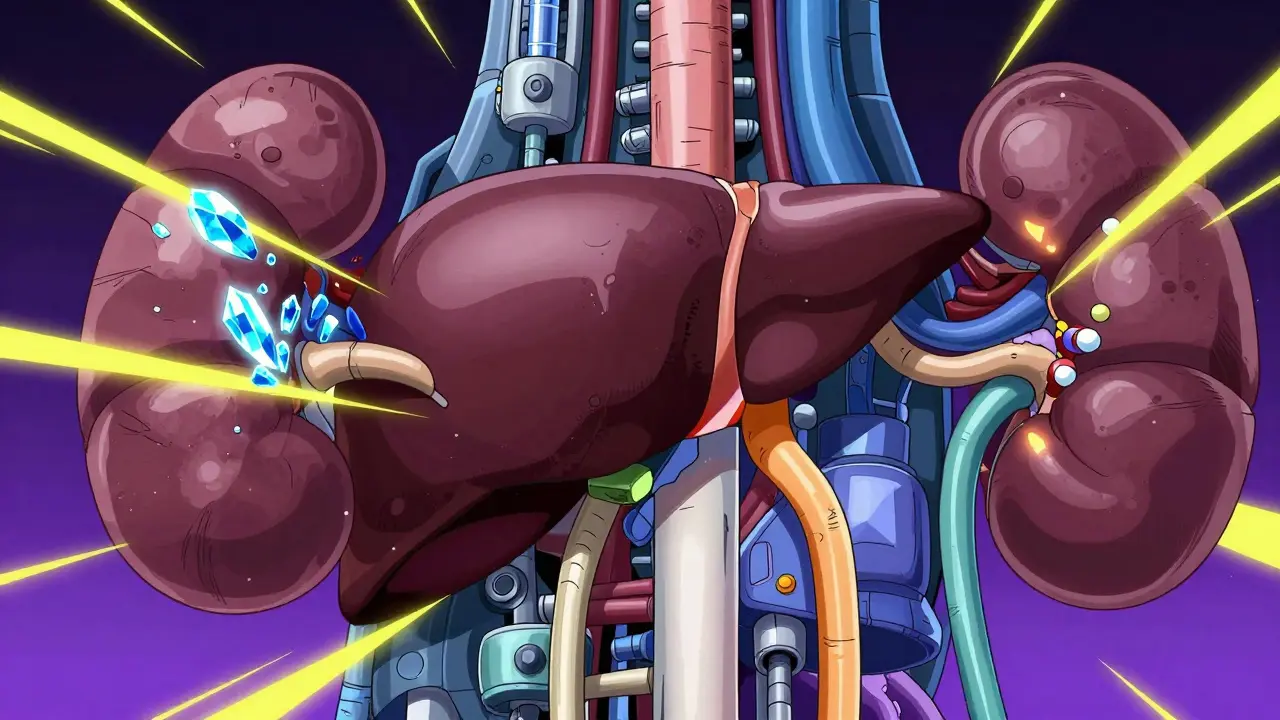
Most serious interactions happen in two main areas: the heart and the brain. Roughly 38.7% of severe interactions involve cardiovascular drugs, while 29.4% affect the central nervous system. This is often because these medications have a narrow therapeutic window-meaning the difference between a helpful dose and a toxic dose is very small. One of the biggest culprits is the Cytochrome P450 a group of enzymes in the liver responsible for metabolizing about 75% of clinically used drugs enzyme system. In older adults, these enzymes aren't as active. If two drugs compete for the same metabolic pathway, one drug may build up to dangerous levels in the bloodstream because the liver simply can't process it fast enough. This can lead to sudden confusion, falls, or internal bleeding, which are often mistaken for "just getting old" rather than a medication error.Industry Standards for Screening Risks
Doctors don't just guess which drugs are dangerous; they use evidence-based tools to screen for risks. The most famous of these is the Beers Criteria a guideline developed by the American Geriatrics Society listing medications that are potentially inappropriate for older adults. This list identifies medication classes that should be avoided or used with extreme caution in people 65 and older. Using these criteria has been shown to reduce hospitalizations by over 17%. Another powerhouse tool is the STOPP criteria Screening Tool of Older Persons' Potentially Inappropriate Prescriptions, used to detect medications that should be discontinued. This tool is incredibly sensitive, catching 94% of adverse drug events in older adults. When clinicians use STOPP during hospital discharge, they've seen inappropriate prescribing drop by nearly 35%.| Tool | Primary Focus | Key Benefit | Best Use Case |
|---|---|---|---|
| Beers Criteria | Avoiding high-risk drugs | Reduces hospitalizations | Initial prescription screening |
| STOPP Criteria | Identifying inappropriate use | 94% sensitivity for adverse events | Medication discontinuation reviews |
| NO TEARS | Comprehensive review | Holistic patient management | Ongoing chronic care management |
Practical Steps for a Safer Medication Routine
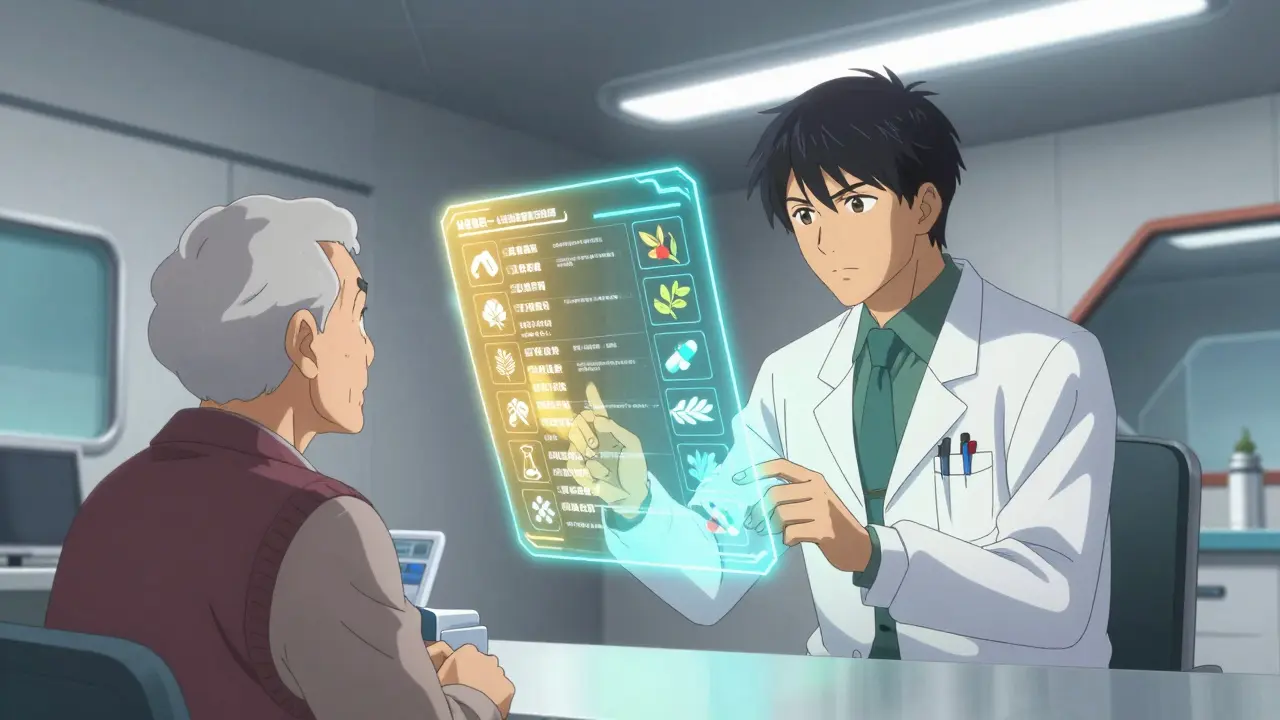
Preventing interactions requires a proactive strategy. One of the most effective methods is the NO TEARS framework a seven-component clinical tool used to reduce polypharmacy through systematic review. You don't need to be a doctor to use the logic behind this tool. It asks seven critical questions:- Need: Is this medication still necessary for the current condition?
- Optimization: Is the dose correct for the patient's current weight and kidney function?
- Trade-offs: Do the benefits of the drug outweigh the side effects?
- Economics: Can the patient actually afford to refill this consistently?
- Administration: Is the patient taking the pill at the right time and in the right way?
- Reduction: Can any medication be stopped entirely?
- Self-management: Does the patient understand why they are taking this?
Overcoming the "Fragmented Care" Gap
One of the scariest parts of senior healthcare is the "doctor shuffle." Many older adults see three or more physicians a year-a cardiologist for the heart, a rheumatologist for the joints, and a GP for everything else. If these doctors aren't talking, you get prescription overlap. One doctor might prescribe a diuretic while another prescribes a medication that retains water, effectively canceling each other out or causing a dangerous spike in potassium. Then there's the "secret" medication list. About 68% of older adults don't mention their over-the-counter (OTC) vitamins, herbal supplements, or aspirin to their doctor. This is a huge mistake. For example, St. John's Wort can drastically reduce the effectiveness of heart medications, and certain herbal supplements can thin the blood, making a prescribed anticoagulant dangerously potent. To fix this, keep a master list. Don't rely on the pharmacy's record, as many seniors use multiple pharmacies. Carry a physical list or a digital app that includes:- The exact name of the drug (brand and generic).
- The dosage (e.g., 20mg).
- The time of day it's taken.
- The reason for taking it.
- All vitamins, minerals, and herbal teas.
The Future of Medication Safety
We're moving toward a world where AI does the heavy lifting. AI-powered clinical decision support systems are being adopted rapidly, with nearly half of U.S. hospitals using them as of 2023. These systems can flag a potential interaction in milliseconds, long before the pharmacist even fills the bottle. However, there's a lingering problem: clinical trials. For decades, older adults with multiple health issues were excluded from drug trials because they "complicated" the data. This means a lot of the dosing guidelines we use today are based on 40-year-olds, not 80-year-olds. The FDA the federal agency responsible for regulating food and drugs in the United States is now pushing for more pharmacokinetic data specifically for patients over 75, which should lead to more accurate dosing for seniors in the coming years.What are the most common signs of a drug interaction in seniors?
Common red flags include sudden confusion, unexplained dizziness, extreme drowsiness, or a rapid change in blood pressure. Because these symptoms often mimic dementia or general aging, they are frequently overlooked. If a senior experiences a new symptom shortly after a medication change, it should be treated as a potential interaction until proven otherwise.
Can herbal supplements really cause dangerous interactions?
Yes. Many herbal supplements affect the liver's Cytochrome P450 enzymes. For instance, St. John's Wort can speed up the metabolism of other drugs, making them less effective. Ginkgo biloba or high-dose Vitamin E can increase the risk of bleeding if taken with blood thinners like warfarin. Always treat a supplement as a drug and list it for your doctor.
How often should a full medication review be performed?
For patients taking five or more medications, a comprehensive review should happen at every single visit. Ideally, a dedicated "medication reconciliation" should occur whenever a patient moves from one care setting to another-such as leaving a hospital and returning home-to prevent errors during the transition.
What is a "prescribing cascade" and why is it dangerous?
A prescribing cascade happens when a side effect of one drug is mistaken for a new medical condition, leading the doctor to prescribe a second drug to treat that side effect. For example, a drug causing swelling in the ankles might be mistaken for heart failure, leading to a diuretic prescription. This increases polypharmacy and the risk of further interactions.
Should I stop a medication if I suspect an interaction?
Never stop a prescription medication abruptly without consulting a healthcare provider. Some drugs, especially those for blood pressure or psychiatric conditions, can cause dangerous withdrawal symptoms or "rebound" effects if stopped suddenly. Instead, call your pharmacist or doctor immediately to discuss the symptoms.