
Social Media Education: Using Digital Platforms for Patient Education
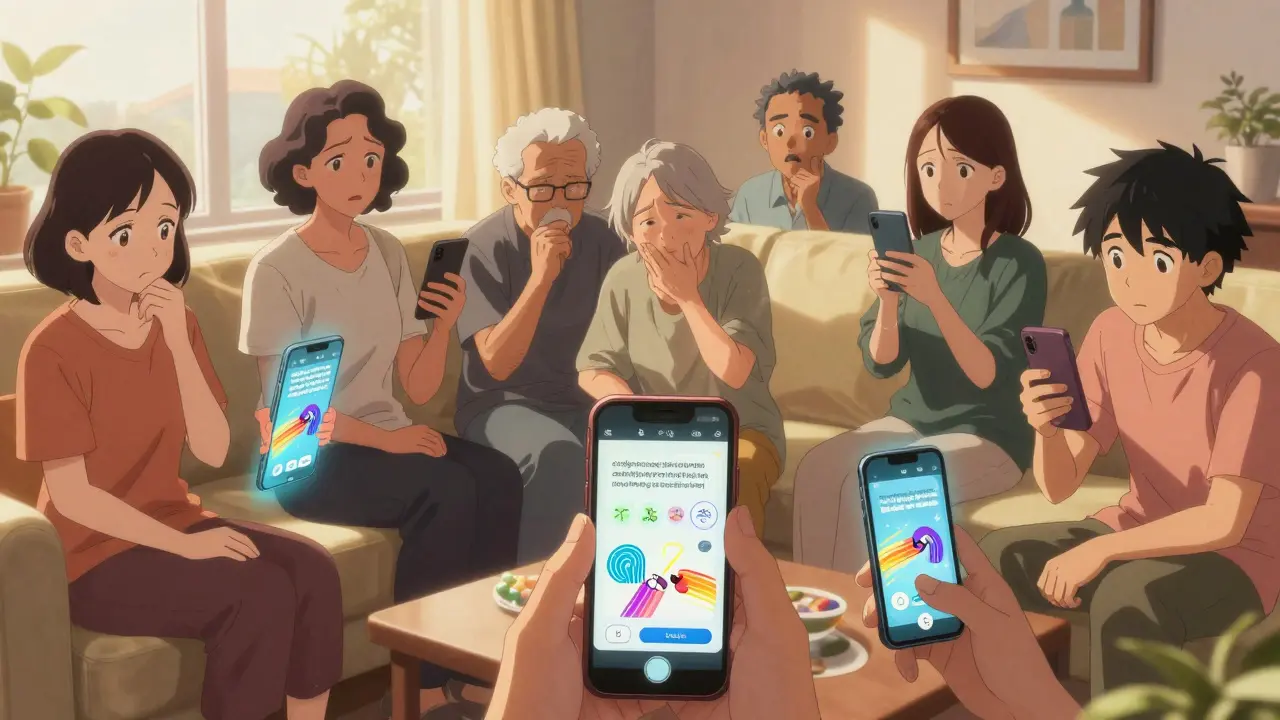
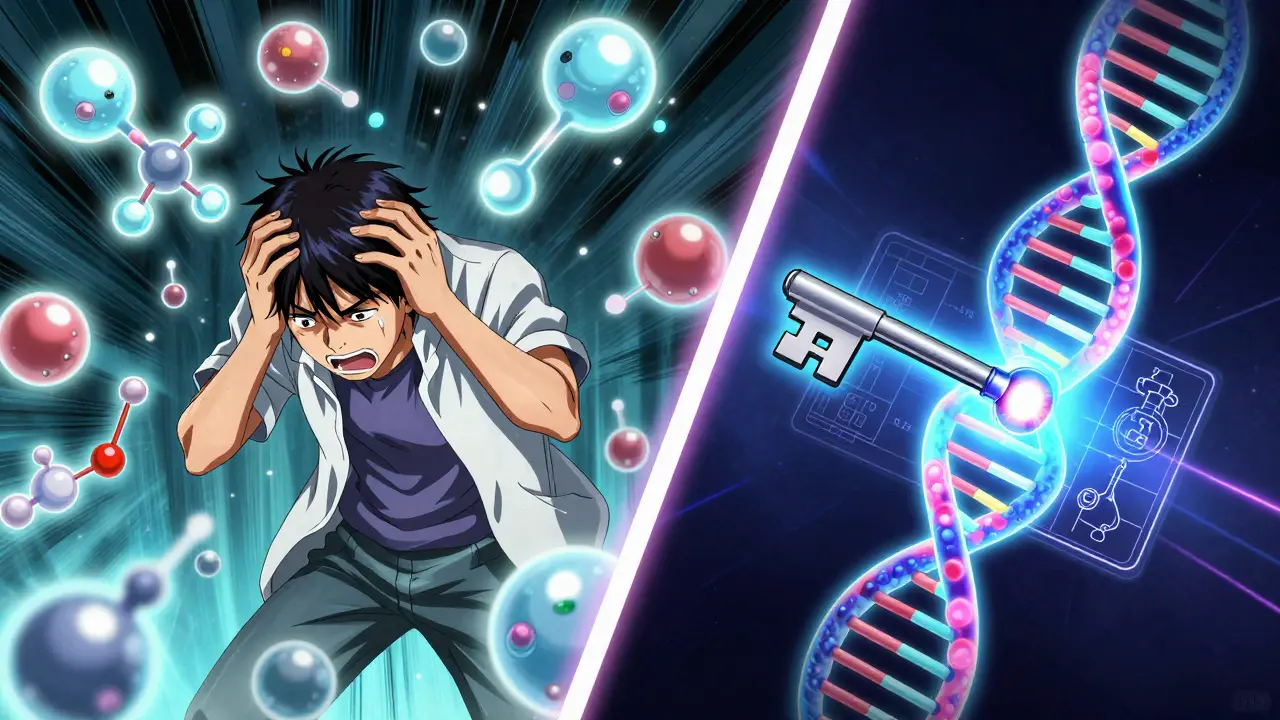
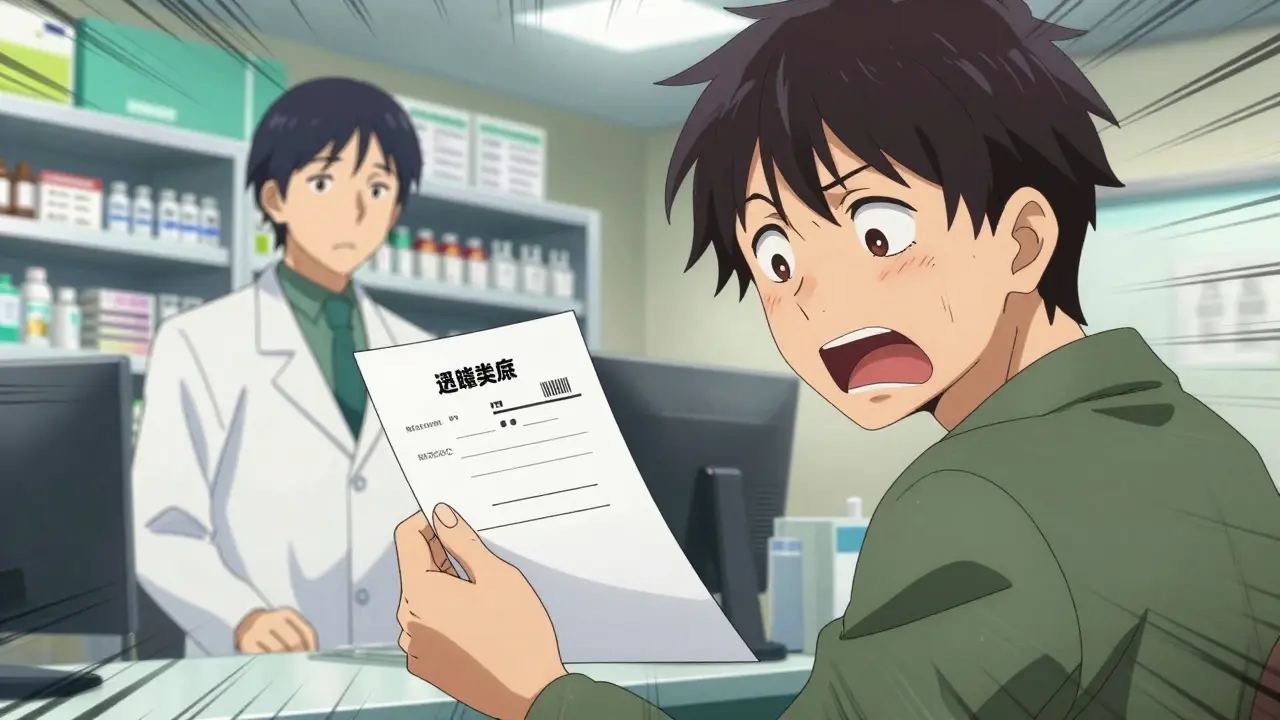
When patients don’t understand how to take their medications, side effects multiply, adherence drops, and hospital visits rise. That’s where social media patient education comes in-not as a marketing gimmick, but as a lifeline. In 2026, over 65% of adults in the UK use social platforms daily to look up health information. Yet most healthcare providers still treat these platforms like billboards, not classrooms. The truth? Social media is now the most accessible, trusted, and immediate tool we have to teach people about generics, dosing, interactions, and why adherence matters.
Why Social Media Works for Patient Education
Think about how you learn something new. You don’t read a 50-page pamphlet. You watch a 60-second video, scroll through real stories, ask questions in a group, and see someone like you do it right. That’s exactly how social media changes the game for patient education.
Take Instagram Reels. A 2025 study by the UK National Health Service found that short videos explaining how to take generic blood pressure meds saw 4.3x more saves and shares than printed leaflets. Why? Because they show real people-mums, dads, retirees-taking their pills with breakfast, setting phone alarms, or talking to pharmacists. No jargon. No legalese. Just clarity.
YouTube is the second most-used health resource after Google Search. Educational channels like @MediKnowUK and @GenericMedGuide now average 18.4 minutes of watch time per video-up from 11.2 minutes in 2023. That’s not accidental. These creators use visual timelines, pill animations, and real-time Q&A sessions to break down complex topics like bioequivalence, generic substitution, and storage requirements.
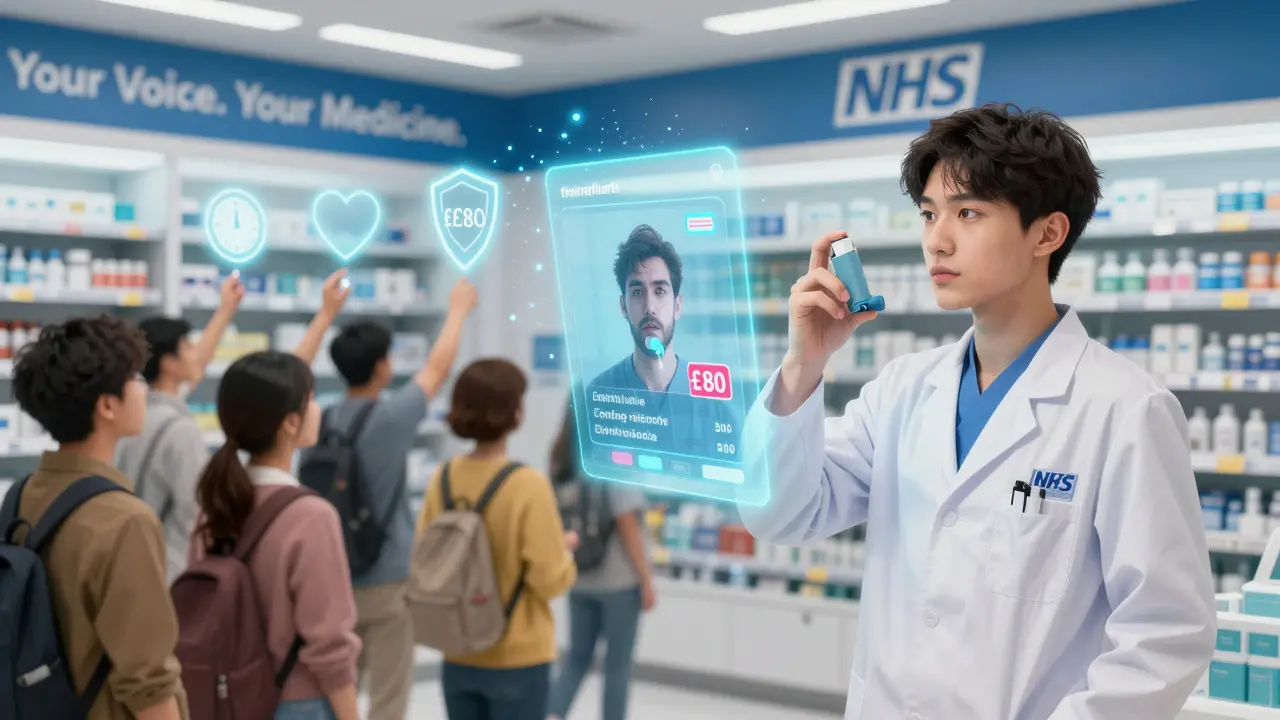
And TikTok? It’s not just memes. A 2026 analysis of 12 million health-related TikTok videos found that 71% of those tagged #GenericMedicine or #KnowYourMeds had engagement rates 3.8x higher than traditional hospital posts. Why? Because Gen Z and millennials trust peers more than pamphlets. When a 22-year-old with asthma says, “I switched to the generic inhaler and saved £80/month-here’s how,” people listen.
What Platforms Actually Work for Patient Education
Not every platform is built for health education. Here’s what’s working in 2026:
- Instagram: Best for visual learners. Use Reels to show pill splitting, storage tips, and side effect timelines. The new Broadcast Channels let clinics send weekly updates to 10,000+ followers without spamming. 68% of patients say they’ve learned something new from an Instagram post in the last month.
- YouTube: Ideal for deep dives. A 90-second explainer on how generic levothyroxine works? Great. A 12-minute video with a pharmacist walking through 5 common drug interactions? Even better. YouTube’s algorithm now prioritizes videos with clear captions, timestamps, and verified sources.
- TikTok: The fastest way to reach younger adults. Use trending sounds, text overlays, and quick Q&As. One NHS pharmacy team saw a 210% increase in prescription refills after posting a series called “Generic vs Brand: What’s the Difference?” with real patient testimonials.
- Facebook Groups: Still powerful for older adults and caregivers. A group like “My Generic Meds Support UK” has 47,000 members. People share experiences, ask about side effects, and warn each other about pharmacy errors. Moderation is key-misinformation spreads fast here.
- LinkedIn: Underused for patient education. But it’s perfect for reaching healthcare workers. A post from a community pharmacist explaining how to counsel patients on generics can be shared across clinics, pharmacies, and hospitals.
Don’t try to be everywhere. The most successful programs focus on 2-3 platforms that match their audience. If you’re targeting seniors, lean into Facebook and YouTube. If you’re reaching working parents, Instagram and TikTok win.
How to Create Content That Actually Helps
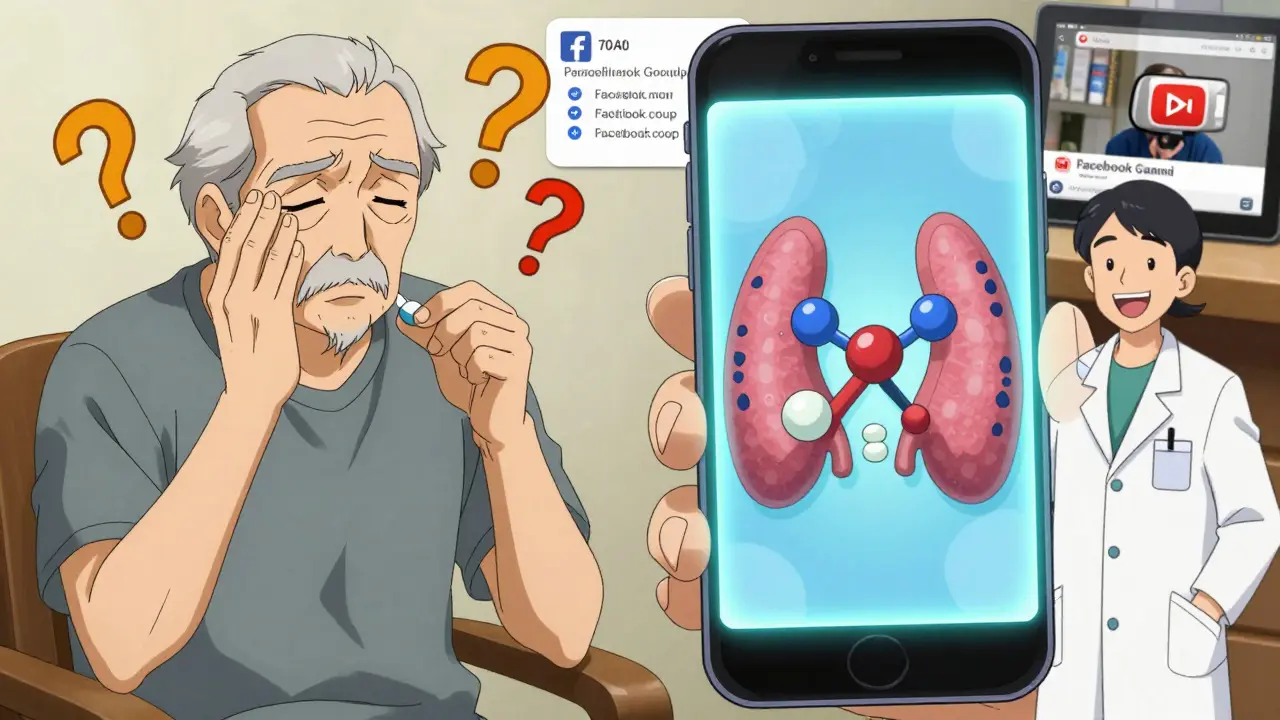
Bad patient education content looks like this: a PDF with tiny font, a robotic voiceover, or a stock photo of a hand holding a pill bottle. Good content looks like this:
- Start with real questions. Pull them from pharmacy counters, patient forums, or NHS helplines. “Can I switch my generic statin mid-month?” “Why does my new pill look different?” “Is the generic just as strong?”
- Use plain language. Say “This medicine works the same way” instead of “Pharmacokinetic equivalence is maintained.”
- Show, don’t tell. Film someone opening their medicine cabinet, checking the label, setting a reminder. Add captions-44% of viewers watch without sound.
- Include patient voices. A 72-year-old woman saying, “I’ve been on this generic for 8 years. My BP is stable. My wallet is too.” That’s more powerful than any brochure.
- Link to trusted sources. Always include the NHS website, MHRA, or a verified pharmacist’s profile. Don’t just say “talk to your doctor.” Say “Here’s the NHS page on generic medicines.”
One clinic in Bristol started a “Ask the Pharmacist” Reel series. Each week, a different pharmacist answers one question. Engagement jumped 170%. Prescription adherence rose 19% in 6 months. No fancy tech. Just consistency and honesty.
Common Mistakes (And How to Avoid Them)
Most patient education efforts fail-not because the idea is bad, but because of these errors:
- Over-polishing. If every video looks like a corporate ad, people tune out. Authenticity beats production value. A shaky phone video of a pharmacist in scrubs is more trusted than a studio shoot.
- Ignoring moderation. A single false claim about generics being “fake” can spread fast. Have a clear policy: remove misinformation, flag false claims, and respond with links to official sources.
- Not tracking results. Are people watching? Are they sharing? Are they asking follow-up questions? Use platform analytics. Look at saves, shares, and comments-not just likes.
- Only posting when you have to. Don’t wait until a new drug is launched. Post weekly. Build trust before a crisis hits.
One pharmacy in Cardiff stopped posting monthly and started posting 3 times a week. Within 90 days, patient inquiries about generics dropped by 34%. Why? Because they answered questions before they became problems.
What You Need to Get Started
You don’t need a big budget. You need:
- A smartphone with a decent camera
- 1-2 staff members who can speak plainly and authentically
- A simple content calendar (post 2-3 times a week)
- A list of 10 common patient questions about generics
- Access to NHS or MHRA-approved factsheets
Training? Start with a 3-hour workshop on basic video editing (CapCut or Canva works fine) and community guidelines. Many local pharmacies now partner with NHS Digital Health teams for free training.
And don’t forget: your patients are already on these platforms. They’re searching. They’re asking. They’re sharing. The question isn’t whether to join-it’s whether you’ll be the voice they trust.
Future Trends in Social Media Patient Education
By 2027, we’ll see:
- AI-generated summaries of drug interactions, checked and approved by pharmacists
- AR filters on Instagram that show how a generic drug works inside the body
- Verified “Patient Educator” badges for trusted community members
- Integration between pharmacy apps and social platforms-so when someone fills a generic script, they get a short educational video
The goal isn’t to replace doctors or pharmacists. It’s to empower patients between visits. To turn silence into conversation. To turn fear into understanding.
Can social media really improve adherence to generic medications?
Yes. Studies from NHS Digital and the MHRA show that patients exposed to consistent, authentic social media content about generics are 22% more likely to refill prescriptions on time. The key is using real patient stories, simple visuals, and clear messaging-not corporate slogans. One pilot in the West Country saw a 28% drop in missed doses after a 3-month Instagram Reels campaign explaining how generics are tested.
Which social media platform is best for educating older adults about generics?
Facebook and YouTube. Older adults (55+) are more active on Facebook Groups and watch longer YouTube videos than any other age group. A 2026 survey found that 61% of this group learned about generic drugs from a Facebook post or YouTube video. Use large text, clear voiceovers, and avoid fast cuts. Short videos (under 90 seconds) still work, but longer explainers (5-8 minutes) perform better.
How do I handle misinformation about generics on social media?
Don’t ignore it. Don’t argue. Respond calmly with a link to an official source-like the NHS page on generic medicines or the MHRA’s drug safety updates. Pin your response. If the comment is abusive or false, remove it. Many pharmacies now train one staff member to monitor comments daily. A 2025 study showed that consistent, factual replies reduced misinformation spread by 76%.
Are TikTok and Instagram Reels too short to explain drug interactions?
Not if you structure them right. Use the first 5 seconds to hook with a question: “Is your generic pill less effective?” Then show a split screen: brand vs generic with identical active ingredients. Use text overlays and arrows. End with: “Same medicine. Lower cost. Here’s the NHS page.” These 30-second videos get shared more than 10-minute lectures. The trick is clarity, not length.
Can I use patient stories without violating privacy?
Yes-if you follow NHS guidelines. Get written consent, blur faces if needed, avoid naming conditions or medications unless the patient is okay with it, and never share identifiable details like addresses or NHS numbers. Many clinics use anonymized testimonials: “A 64-year-old from Bristol” or “A mum on statins.” The most powerful stories are those that feel familiar, not famous.


Comments
Judith Manzano
March 7, 2026 AT 15:50I’ve been using generic blood pressure meds for years, and honestly? My doctor never explained how they’re the same as brand-name. This post finally made sense of it. I started sharing those Instagram Reels with my mom-she’s 71 and thought generics were ‘cheap knockoffs.’ Now she takes them without panic. Small wins matter.
rafeq khlo
March 8, 2026 AT 17:26The notion that social media can replace clinical education is dangerously naive. Pharmaceutical companies have been manipulating public perception through influencer content for decades. You are not educating patients-you are enabling misinformation under the guise of accessibility. The MHRA does not endorse TikTok as a regulatory platform. This is not innovation. It is exploitation.
Morgan Dodgen
March 9, 2026 AT 18:28lol so now we’re trusting 22 year olds on tiktok to explain bioequivalence?? 🤡 I mean sure if you want your grandma to take a pill because some kid with 200k followers said ‘it works for me’ go ahead. The FDA doesn’t approve content based on engagement metrics. And don’t get me started on ‘patient testimonials’-half of them are bots or pharma shills. This is how we get people thinking ibuprofen is a cure for cancer. 🤦♂️
Philip Mattawashish
March 11, 2026 AT 15:17Wow. Just wow. You think showing someone taking a pill with breakfast is ‘education’? That’s not education-that’s performative activism wrapped in a Reel. Real medicine requires context, nuance, and trained professionals. You’re reducing pharmacology to viral aesthetics. And you call this progress? This is the same logic that got us ‘quantum healing’ and ‘vaccine detoxes.’ You’re not helping. You’re dumbing down. And you’re proud of it.
Tom Sanders
March 11, 2026 AT 19:50eh i get what you're saying but like... who has time for all this? my pharmacist just gives me the pill and says 'take it.' why do i need a 12-minute youtube video to know how to swallow a capsule? 🤷♂️
Jazminn Jones
March 13, 2026 AT 05:15The premise of this article is fundamentally flawed. Social media platforms are not educational institutions-they are attention economies designed to maximize engagement, not optimize therapeutic outcomes. The notion that a 30-second TikTok can convey pharmacokinetics is not merely optimistic-it is epistemologically irresponsible. If we are to elevate public health literacy, we must invest in accredited curricula, not algorithmic content.
Stephen Rudd
March 13, 2026 AT 16:56You’re all missing the point. This isn’t about education. It’s about control. Who owns the narrative when patients start talking to each other instead of waiting for a doctor? The system doesn’t want people understanding generics. It wants them confused, dependent, and paying full price. The fact that you’re celebrating this as ‘progress’ proves you’ve been conditioned to believe corporate messaging is benevolent. Wake up. This is a Trojan horse.
Erica Santos
March 13, 2026 AT 22:39Oh wow. A whole article about ‘real people’ taking pills… and not one mention of how most generics are manufactured in China and shipped through 17 middlemen? 🤭 Let’s not pretend this is about ‘trust’-it’s about convenience. And convenience is how you get people dead from counterfeit meds. So yeah, go ahead and post your Reels. I’ll be over here reading the FDA’s adverse event reports.
George Vou
March 14, 2026 AT 11:40generic meds are just as good as brand name but dont trust tiktok. i saw a vid where some dude said his generic xanax was ‘the same’ but he was on 20mg and his doc said 5. he almost died. so yeah. dont trust influencers. even if they look nice.
Scott Easterling
March 15, 2026 AT 03:33Uhh... so let me get this straight. We're supposed to believe a 22-year-old who says 'I saved $80' on an inhaler... but we shouldn't question whether the active ingredient is actually the same? What about fillers? Binders? Bioavailability? You think a 30-second clip explains that? This isn't patient education. This is pharmaceutical marketing dressed up as TikTok. And you're calling it 'authentic'? 😂
Mantooth Lehto
March 15, 2026 AT 23:39I love this so much 💖 My sister just started on generic levothyroxine and was terrified. I showed her that NHS Reel-she cried. Said she finally felt seen. We need more of this. Not more pamphlets. More real talk. More human moments. This is how we heal. Not with jargon. With connection. ❤️
Melba Miller
March 17, 2026 AT 15:34Let’s be real-this whole ‘social media patient education’ thing is just a distraction. While we’re busy posting Reels about pill splitting, real healthcare is collapsing. ERs are understaffed. Pharmacists are overworked. Insurance denies claims. You think a 60-second video fixes systemic failure? It’s not empowerment-it’s performative charity. We need policy change. Not content calendars. You’re decorating a sinking ship with TikTok filters.
Katy Shamitz
March 17, 2026 AT 18:55This is beautiful. I work in a community pharmacy and I’ve seen firsthand how confused people are. One woman came in last week asking if her new pill was ‘fake’ because it was a different color. We showed her the NHS video. She hugged me. That’s the power of this. Not the tech. Not the platform. The truth. Simple. Clear. Real.
Nicholas Gama
March 18, 2026 AT 05:16Gen Z trusts peers. That’s the data. End of story. Stop overthinking it. People don’t want your 10-page PDF. They want someone who’s been there. That’s not dumbing down. That’s human.
Mary Beth Brook
March 18, 2026 AT 18:21Pharmacokinetic equivalence is not a marketing slogan. It’s a measurable, peer-reviewed pharmacological parameter. Reducing it to ‘same pill, different color’ is not education-it’s semantic erosion. If you want to improve adherence, train clinicians-not content creators. The science doesn’t go viral. The fear does.