
Teaching Children About Medication Safety: What Kids Need to Know About Generic Drugs
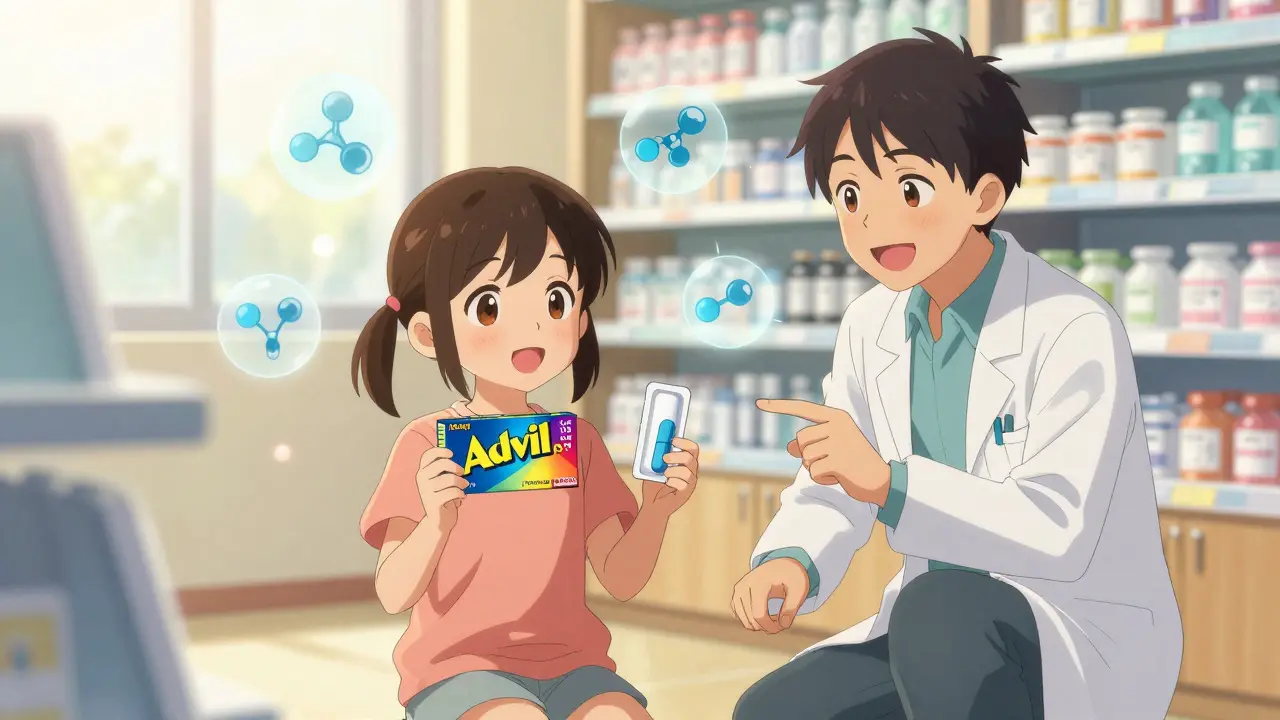
Most parents assume their kids understand what medicine is for - until they find a child swallowing a pill they found in the bathroom, or asking why one bottle says ibuprofen and another says Advil. The truth? Kids don’t automatically know the difference between brand names and generic drugs. And if we don’t teach them, they’ll make assumptions that can be dangerous.
Why Kids Need to Understand Generic Drugs
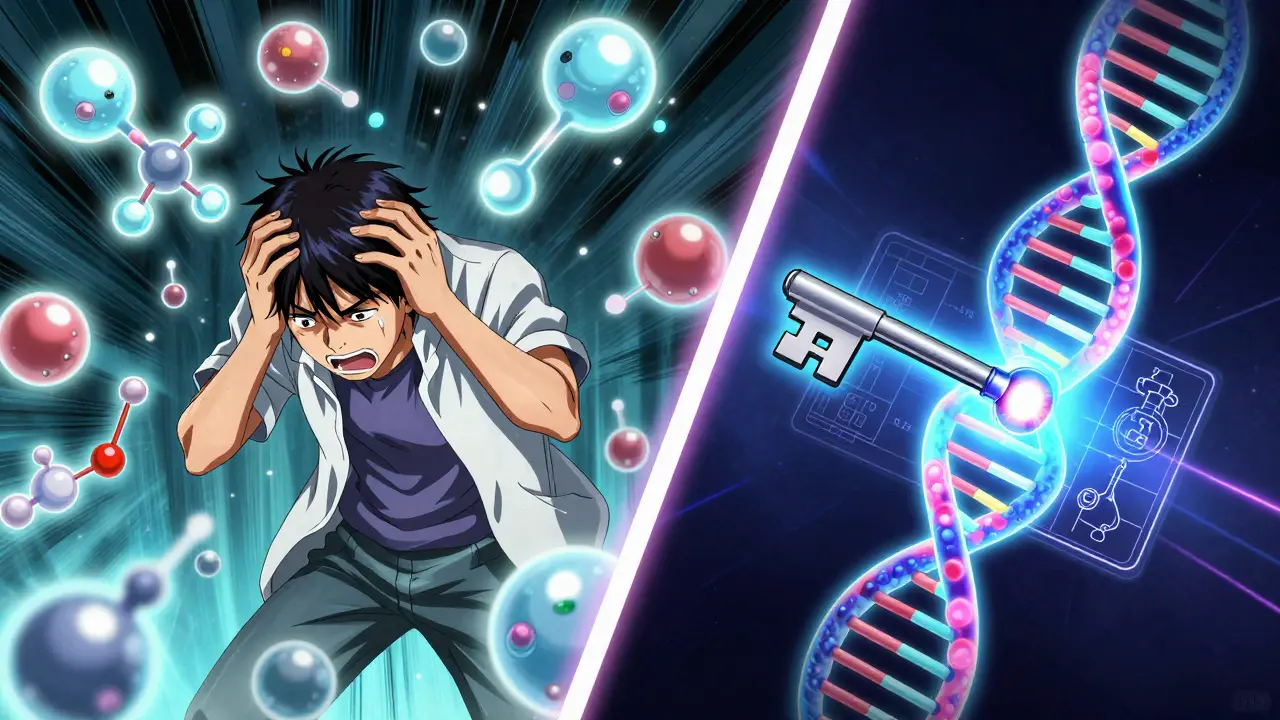
Generic drugs aren’t ‘fake’ or ‘cheap versions’ - they’re the exact same medicine as brand names, just without the marketing. The active ingredient, dosage, and how it works in the body are identical. But to a child, a bottle labeled ibuprofen looks totally different from one labeled Advil. If they’ve only ever seen the branded version at home, they might think the generic is less powerful - or worse, they might think it’s a different kind of medicine entirely.
Real-world example: A 7-year-old in Brisbane was given a generic pain reliever after a fall. She refused to take it because it didn’t have the same colorful packaging as the one her dad used last time. She thought it was ‘the wrong medicine.’ That’s not a silly mistake - it’s a gap in education.
Teaching kids about generics helps them:
- Understand that medicine works the same, no matter the label
- Recognize that saving money doesn’t mean saving less on safety
- Stop being scared of unfamiliar packaging
- Ask smart questions when a pharmacist hands them a different-looking bottle
How to Talk to Young Kids (Ages 3-7)
For little ones, keep it simple and visual. Use toys, drawings, or even candy as analogies.
Try this: Take two identical blue pills - one in a branded box, one in a plain one. Say: ‘These two pills are twins. Same inside. One just wears a fancy hat.’ Let them hold both. Let them see the pill inside the box is the same as the one in the plain wrapper.
Use the Medication Safety Patrol program from Generation Rx - it’s free, designed for K-5, and uses fun characters to teach kids not to touch medicine they find, and to recognize that medicine has names. One activity asks kids to match medicine to its purpose: ‘This one is for headaches. This one is for fevers.’ No brand names needed. Just the function.
Key message for this age: ‘Medicine isn’t candy. Always ask an adult before you take anything.’ That’s more important than knowing the name.
Teaching Kids Ages 8-12: The ‘Same Medicine, Different Name’ Game
By third grade, kids can handle simple comparisons. Turn it into a game.
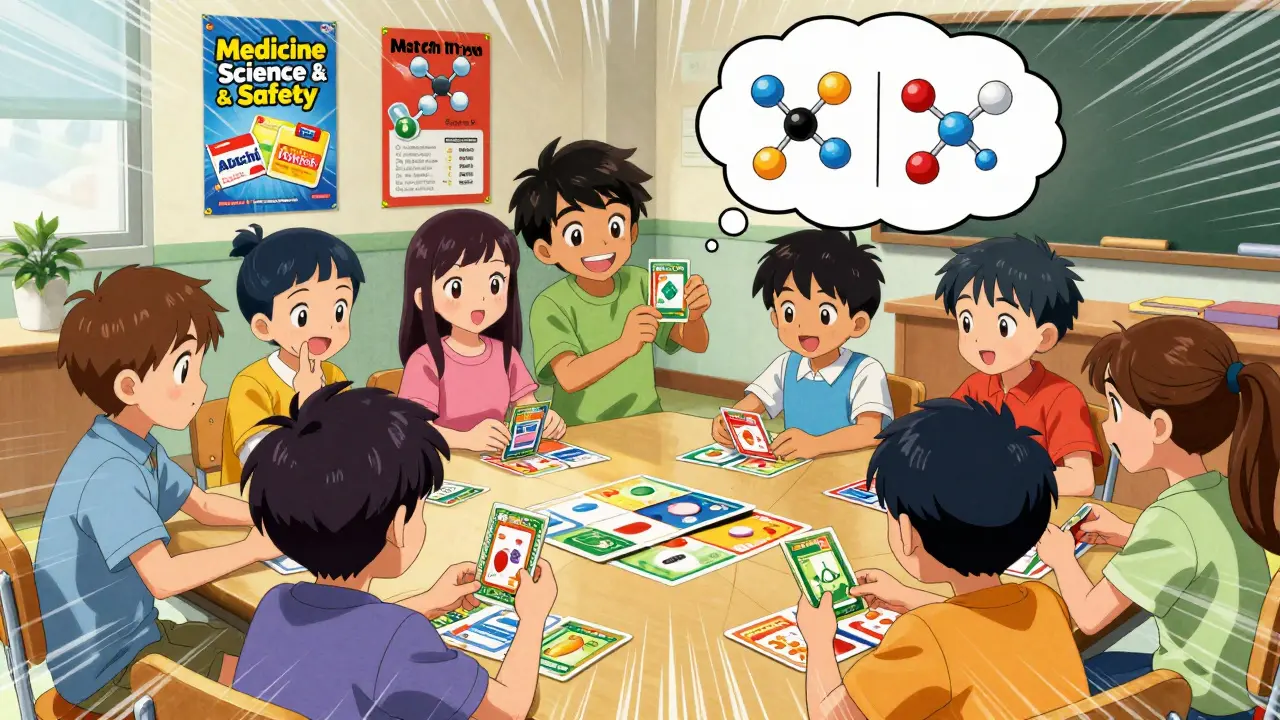
Take three common medicines: ibuprofen, acetaminophen, and amoxicillin. Write down their brand names (Advil, Tylenol, Amoxil) and their generic names. Print them out. Cut them into cards. Play ‘Match the Twin’ - kids pair the brand with the generic. Then ask: ‘Which one costs less?’
One study from Ohio State found that after just one 30-minute session using this method, 89% of kids aged 9-11 could correctly identify that generic drugs are just as safe. And 76% could explain why pharmacies give them.
Don’t just say: ‘Generics are cheaper.’ Say: ‘Your body doesn’t care what the box looks like. It only cares what’s inside.’
Use real examples from your medicine cabinet. Show them the bottle your pharmacist gave you last week - the one without the logo. Say: ‘This is the same as the one we used before. We’re saving money so we can afford your next doctor visit.’
What Not to Do
Don’t use scare tactics. Don’t say: ‘If you take the wrong one, you’ll get sick.’ That’s not true. The wrong one might be a different medicine - but if it’s the same active ingredient? Nothing bad happens.
Don’t say: ‘Brand names are better.’ That teaches distrust in generics - and that’s not just wrong, it’s expensive. Generics make up 90% of all prescriptions filled in the U.S. and Australia. They’re not second choice. They’re the standard.
And don’t skip the ‘why.’ Kids aren’t stupid. If you just say ‘It’s cheaper,’ they’ll think it’s a bad deal. But if you say: ‘The company that made Advil spent millions on ads. The generic company didn’t. So the pill costs less. Same effect,’ they get it.
How Schools Are Helping
Over 1.5 million students in the U.S. have learned about medicine safety through Generation Rx - a free program run by Ohio State’s College of Pharmacy. It’s now being used in Australian schools too, especially in Queensland.
They don’t teach kids about ‘generic drugs’ as a term. They teach: ‘How do you know if medicine is safe?’ That’s the real question. The answer? Look at the active ingredient. Check the dose. Ask an adult.
One school in Brisbane started using their ‘Medicine Science and Safety’ book for grades 3-5. After six weeks, kids could identify 12 common medicines by their active ingredient. Only 1 out of 30 confused a generic with a different medicine.
What Parents Can Do Today
You don’t need a curriculum. You just need to be honest.
- When you pick up a prescription, say: ‘This is the same as last time, just a different label.’
- Let your child help you check the pill bottle. ‘Can you read the name on the side? That’s what it’s called.’
- Use the pharmacy’s website. Many list both brand and generic names side by side. Show them.
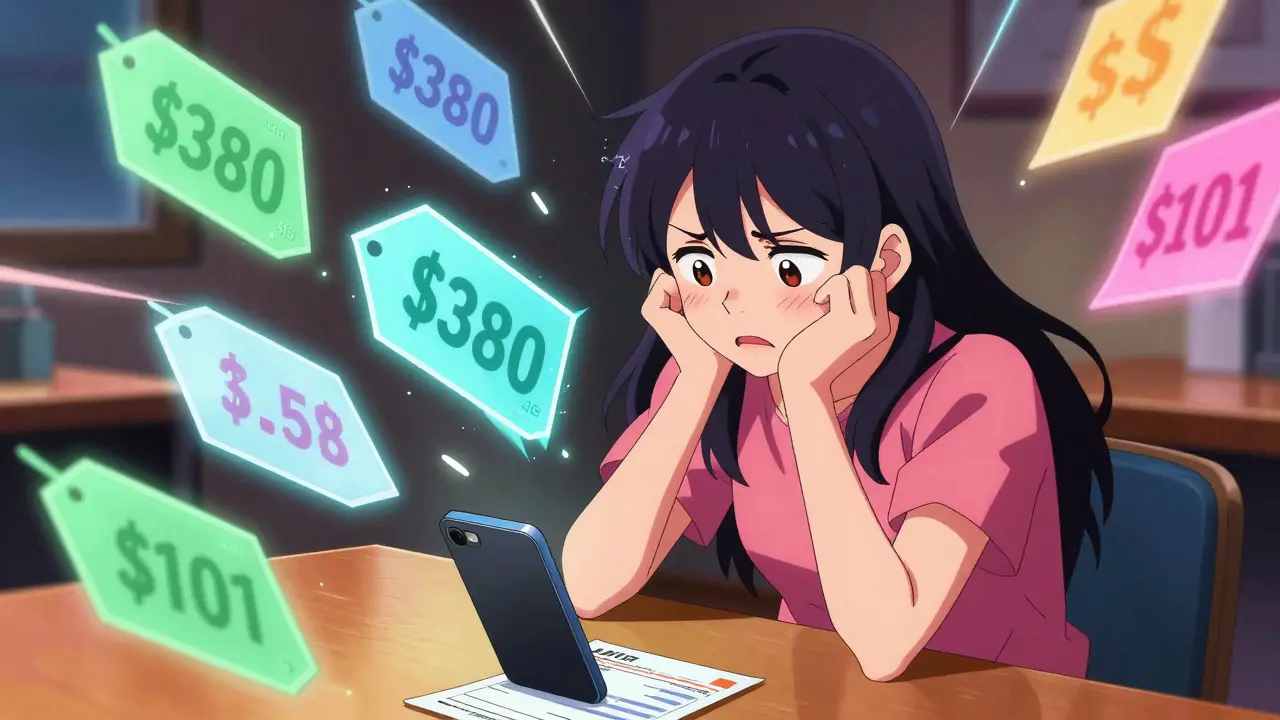
- When you’re at the store, point out: ‘This one is $5. This one is $12. Same medicine.’
Don’t wait for a school program. Start now. The next time your child asks, ‘Why does this look different?’ - that’s your teachable moment.
What Happens When Kids Don’t Learn This
Without this knowledge, kids grow into adults who:
- Refuse generic prescriptions because they ‘don’t trust them’
- Double-dose because they think ‘brand = stronger’
- Take someone else’s medicine because ‘it looks like mine’
One 2022 study found that 41% of teens who didn’t understand generics were more likely to take someone else’s pills. Not because they were rebellious - because they didn’t know the difference.
Teaching kids about generics isn’t about pharmacy jargon. It’s about empowering them to make safe choices. And that starts with a simple conversation - not a lecture.
Resources to Use
- Generation Rx - Free lesson plans, games, and activity sheets for K-12. Available in English and Spanish.
- NIDA’s ‘The Science of Addiction’ - For older kids. Focuses on how medicine works in the body.
- Pharmacy Australia - Has printable guides for parents on how to explain generics at home.
These aren’t fancy tools. Just clear, simple, science-backed materials. No ads. No hype. Just facts.
Final Thought
Generic drugs aren’t a trick. They’re a smart choice. And kids who understand that grow up to be adults who use medicine safely - and affordably.
You don’t need to be a pharmacist to teach this. You just need to be honest. And patient. And willing to say: ‘I don’t know - let’s find out together.’
Are generic drugs safe for children?
Yes, generic drugs are just as safe as brand-name drugs for children. They contain the same active ingredient, in the same dose, and work the same way in the body. The only differences are in the inactive ingredients (like color or flavor) and the packaging - neither affects how well the medicine works. The U.S. Food and Drug Administration (FDA) and Australia’s Therapeutic Goods Administration (TGA) require generics to meet the same strict standards as brand-name drugs.
Why do generic drugs look different?
Generic drugs look different because of laws that prevent them from copying the exact appearance of brand-name drugs. This includes color, shape, and markings. But the active ingredient - the part that treats the illness - is identical. For example, generic ibuprofen might be white and round, while Advil is red and oval. That doesn’t mean one works better. It just means they’re made by different companies.
Can I give my child a generic version of a medicine they’ve taken before?
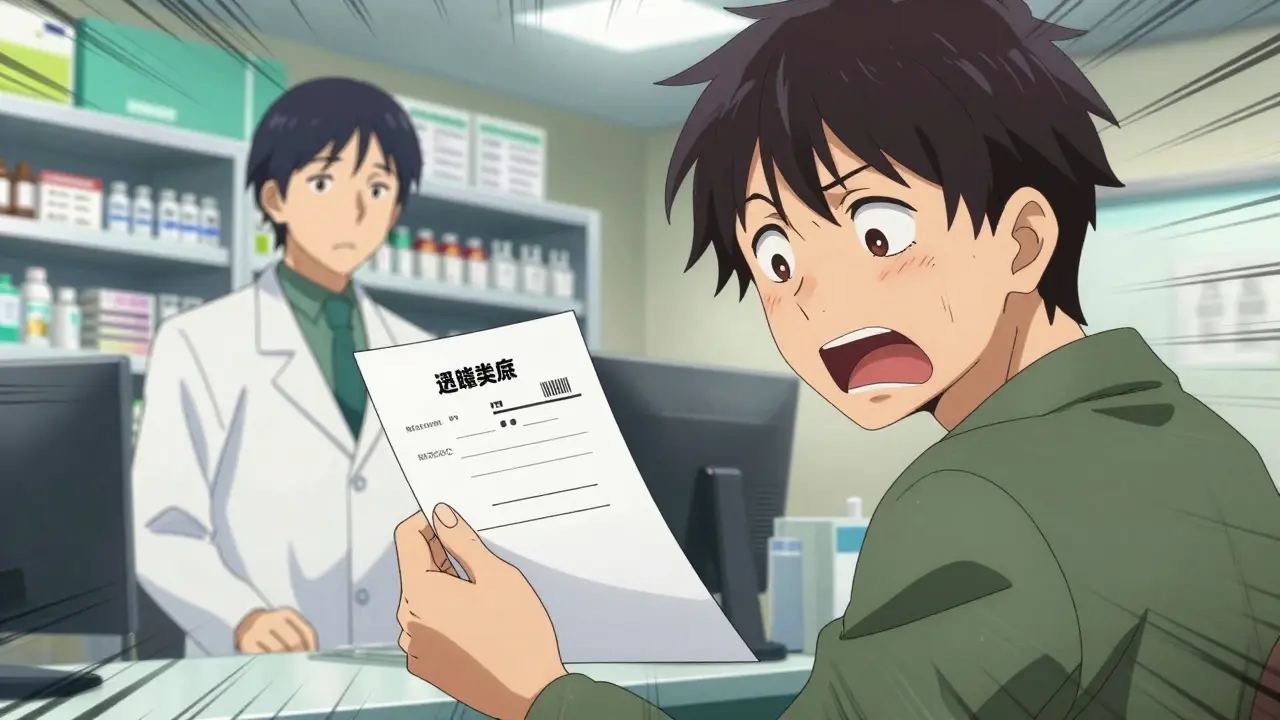
Yes - and you should. If the doctor prescribed a medicine and the pharmacist switches it to the generic version, it’s safe to use. The medicine inside is the same. You can double-check by looking at the active ingredient listed on the label. If it matches what your child took before (like ‘ibuprofen’ or ‘amoxicillin’), then it’s the same treatment. Always confirm with your pharmacist if you’re unsure.
Do children need to know the difference between brand and generic drugs?
Yes - especially as they get older. Kids who understand that generics are the same medicine are less likely to refuse needed treatment, accidentally take the wrong pill, or believe myths like ‘the expensive one works better.’ Teaching them early builds confidence and safety. Even young children can learn: ‘This is the same medicine, just in a different box.’
What if my child refuses to take a generic medicine because it looks different?
Stay calm. Show them the label and point to the active ingredient. Say: ‘Look - this says ibuprofen. So does the one you took last time. They’re twins.’ Let them hold both bottles. If they’re old enough, help them check the dose on each. Often, the fear comes from unfamiliarity - not the medicine itself. If they still refuse, talk to your pharmacist. Sometimes, generics come in different flavors or shapes - you might be able to ask for one that looks more familiar.

Comments
Serena Petrie
March 15, 2026 AT 19:13My kid took a generic ibuprofen and cried because it wasn’t blue. I laughed. Then I cried. We’re all just one confused child away from a pharmacy panic.
End of story.
Buddy Nataatmadja
March 16, 2026 AT 21:08Interesting piece. I’ve seen this play out in my own home. My daughter asked why the pills looked different after we switched pharmacies. I didn’t think it was worth explaining until she refused to take them. Turns out, kids notice everything. And they’re way smarter than we give them credit for.
Simple analogies work. Twins. Same inside. Different hats. That’s all it takes.
mir yasir
March 17, 2026 AT 19:46While the sentiment is commendable, one must acknowledge that the foundational premise lacks rigorous epistemological grounding. The assertion that children require explicit instruction on pharmaceutical nomenclature presumes a cognitive maturity inconsistent with developmental psychology literature. Moreover, the normalization of generics as a socio-economic imperative risks obscuring the broader structural inequities in healthcare access.
Stephanie Paluch
March 18, 2026 AT 20:55OMG YES 😭 I just had this exact thing happen last week. My 6-year-old saw the generic version of her asthma inhaler and screamed, ‘That’s not MY medicine!’ I had to sit down and show her the label side by side. She touched both. Said, ‘They’re twins.’ Then hugged me. I cried. Again.
Teach them early. It’s not about drugs. It’s about trust.
tynece roberts
March 20, 2026 AT 20:32okay so i’ve been doing this for a while and honestly the game thing works WAY better than i thought. i made flashcards with my 9yo and we played match the twin while waiting for dinner. she got all 6 pairs right. then she said ‘so why does the fancy one cost more?’ and i was like… good question. we looked up the ad budgets. she said ‘oh. so they’re just paying for logos.’ i almost high-fived her. also she now calls all the pills ‘twins’ and i’m not stopping her. this is the best parenting win i’ve had all year.
ps: we used the generation rx printable. it’s free. just google it. no ads. just pure gold.
Hugh Breen
March 22, 2026 AT 08:18THIS. IS. IMPORTANT. 🙌
Let me tell you - I’m a pharmacist in London. I see parents panic every single week because their kid refuses a generic. ‘It’s not the same!’ they say. No. It’s the SAME. The body doesn’t care about packaging. It cares about chemistry. Teach kids this now - or they’ll grow up thinking ‘brand = better’ and overpay for meds their whole lives.
Also - the ‘twins’ analogy? Genius. Steal it. Share it. Print it. Frame it.
And if you’re not teaching this - you’re failing them. Not because you’re a bad parent. Because you didn’t know. Now you do. Go do better.
Byron Boror
March 23, 2026 AT 07:00Why are we teaching kids about generic drugs? Because the government wants them to accept inferior products? Wake up. Brand names exist for a reason - quality control, consistency, trust. If you’re okay with your kid taking a pill that’s been sitting in a warehouse for three years because it’s cheaper, then you’re part of the problem.
Generics are a cost-cutting measure. Not a medical advancement.
Lorna Brown
March 23, 2026 AT 12:28What if the real issue isn’t teaching kids about generics - but teaching adults how to talk about medicine without fear? We’ve turned medication into something mysterious. Something dangerous. Something you must ‘trust’ rather than understand.
Maybe the goal isn’t to make kids recognize ‘ibuprofen’ - but to make them feel safe asking: ‘What’s inside this?’
That’s the real safety skill.
Kandace Bennett
March 25, 2026 AT 08:58Ugh. I love how this post is just… so wholesome. 😍 But honestly? If you’re giving your kid generics, you’re basically gambling with their health. I mean, come on - do you REALLY trust some factory in India to make the same pill? 🤔
My daughter’s ADHD med is $180 a month. And I’ll pay it. Because I’d rather pay than lose her. 🙏
PS: The ‘twins’ thing is cute. But real medicine isn’t a cartoon.
Tim Schulz
March 26, 2026 AT 11:52Oh wow. A whole article about teaching kids that ‘ibuprofen’ = ‘Advil’. 🤡
Next up: ‘Water is H2O. Don’t be fooled by the bottle.’
Meanwhile, 89% of kids got it after one 30-minute game. And you’re still here, arguing about packaging? 😂
Also - the fact that this even needs to be said? That’s the real tragedy.
Jinesh Jain
March 28, 2026 AT 05:09Interesting perspective. In India, generics are the norm. We don’t have brand loyalty for medicine. Children grow up seeing multiple versions of the same drug. They learn early: ‘Look at the name on the strip, not the box.’ Perhaps the real lesson is cultural. In wealthier nations, we’ve made medicine a brand. In others, it’s a necessity. The difference isn’t in the pill. It’s in the perception.
douglas martinez
March 28, 2026 AT 13:27This is an excellent and well-researched overview. The integration of developmental psychology, pharmacology, and practical education strategies is both scientifically sound and pedagogically effective. I commend the author for emphasizing active learning over passive instruction. The use of real-world examples from clinical practice enhances credibility and applicability. This model should be adopted nationally.
Sabrina Sanches
March 29, 2026 AT 17:55My 7-year-old asked me why the new medicine looked different and I said ‘Because the company changed the box’ and she said ‘But the pill is the same?’ and I said ‘YES’ and she hugged me and said ‘You’re the best mom’ and I cried because I didn’t even think I was doing anything special
but now I know
and I’m gonna keep doing it
every time
even if it’s just one sentence
because it matters
it matters
it matters
Shruti Chaturvedi
March 30, 2026 AT 19:01Teach kids to look at the active ingredient. Not the brand. Not the color. Not the shape. Just the name. That’s all they need. Simple. Clear. Safe.
And if you’re still using brand names because you think they work better - you’re not protecting your child. You’re just paying more.