
MAOIs and Antidepressant Interactions: Dangerous Combos and Safe Alternatives

MAOI Medication Interaction Checker
Why MAOIs Are Still Used Today
You might wonder why anyone would use a drug with such a strict reputation when we have modern options. The truth is, for a specific group of people, MAOIs are a lifesaver. They are the gold standard for Treatment-Resistant Depression (TRD), which affects about 20% to 30% of patients. If you've tried several different medications and still feel a deep sense of anhedonia (the inability to feel pleasure) or suffer from "leaden paralysis"-that heavy, weighted-down feeling in your limbs-MAOIs often do what others can't.
Common versions you might encounter include phenelzine (Nardil) and tranylcypromine (Parnate). There is also the selegiline patch (Emsam), which is often easier on the system because it's absorbed through the skin, potentially reducing the need for the strict diets usually associated with these drugs.
The Danger Zone: Serotonin Syndrome
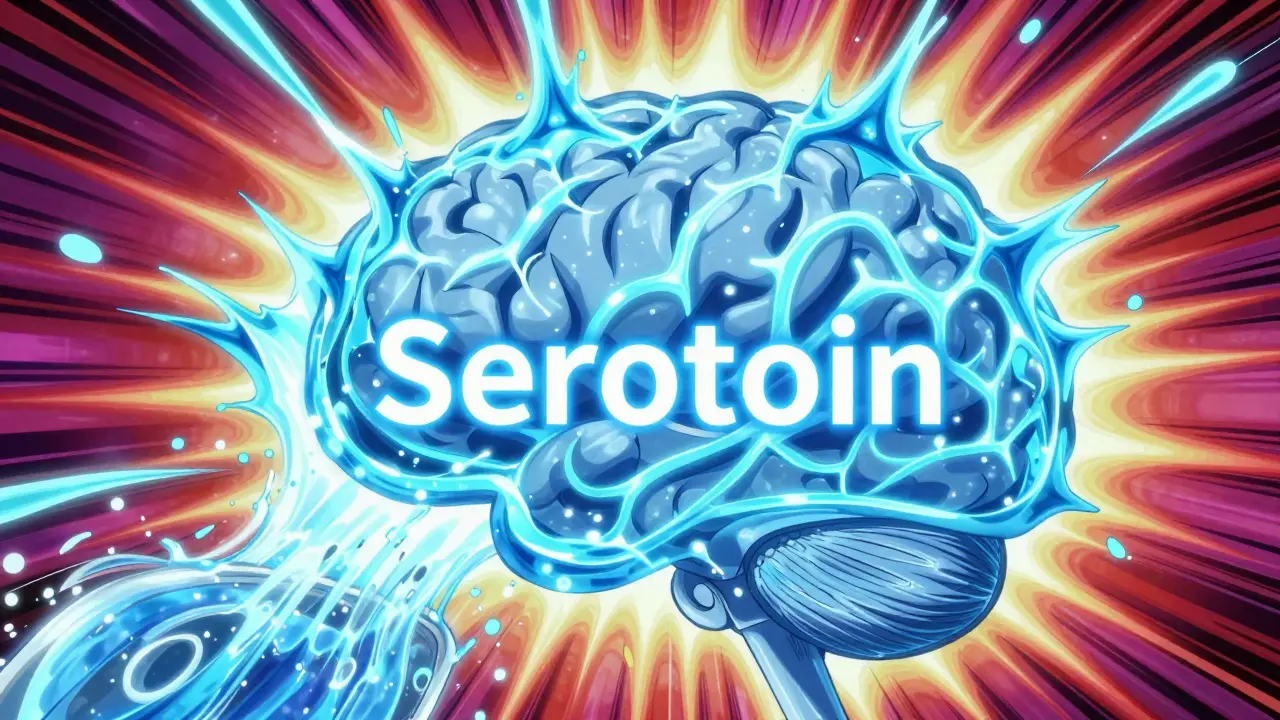
The most critical risk when combining MAOIs with other drugs is Serotonin Syndrome, a life-threatening condition caused by an excessive accumulation of serotonin in the brain and body. Imagine your brain as a sink; SSRIs stop the drain, and MAOIs turn the faucet on full blast. Eventually, the sink overflows.
This is why combining MAOIs with SSRIs (like Prozac or Zoloft) or SNRIs (like Cymbalta) is strictly forbidden. The symptoms start with shivering and diarrhea but can quickly escalate to muscle rigidity, extremely high fever, and confusion. In some tragic cases, adding an MAOI to someone already taking fluoxetine has led to fatalities. It's not a risk worth taking.
| Drug Class / Name | Risk Level | Verdict | Key Reason |
|---|---|---|---|
| SSRIs / SNRIs | Critical | Avoid | High risk of Serotonin Syndrome |
| Clomipramine | High | Avoid | Potent serotonergic effects |
| Nortriptyline | Moderate | Cautious Use | Safe if sequenced correctly |
| Bupropion | Low | Generally Safe | Lacks potent serotonin reuptake |
| Mirtazapine | Low | Generally Safe | Compatible for TRD combinations |
The Nuance of Tricyclics (TCAs)
The relationship between MAOIs and Tricyclic Antidepressants (TCAs) is a bit more complicated. For years, doctors avoided this pairing out of caution. However, some specialists now use them together for severe depression. The secret is the order of operations. If you start the TCA first or start them both at once, the risk is manageable. But if you add an MAOI to an existing TCA regimen, you're asking for trouble.
Not all TCAs are created equal here. For example, clomipramine is far too strong on the serotonin front and should be avoided. On the other hand, nortriptyline is often preferred by experts because it provides a better balance of efficacy without sending serotonin levels into the danger zone.
Safe Alternatives and Combination Partners
If you're on an MAOI but still need extra help, you don't have to go it alone. There are several medications that don't interfere with the way MAOIs work. Bupropion (Wellbutrin), mirtazapine, and trazodone are often safe bets because they don't cause that massive surge in serotonin.
For those dealing with intense apathy or a complete lack of motivation, some doctors use dopaminergic agents like pramipexole. These are combined slowly to avoid nausea and sedation. If you just need help with sleep or anxiety, standard benzodiazepines are generally considered safe to use alongside MAOIs.
The Golden Rule: Washout Periods
You can't just switch from one antidepressant to another overnight. Your body needs time to clear the old chemicals and reset the enzymes. This is called a "washout period," and ignoring it is how most medication errors happen.
- The Fluoxetine Exception: Because fluoxetine (Prozac) stays in your system for a long time, you must wait at least 5 weeks after your last dose before starting an MAOI.
- Other SSRIs/SNRIs: Most others require a 14-day wait.
- Switching Back: If you're stopping an MAOI to start an SSRI, you still need a 14-day break to let your MAO enzymes recover.
Managing the Daily Grind: Diet and Tapering
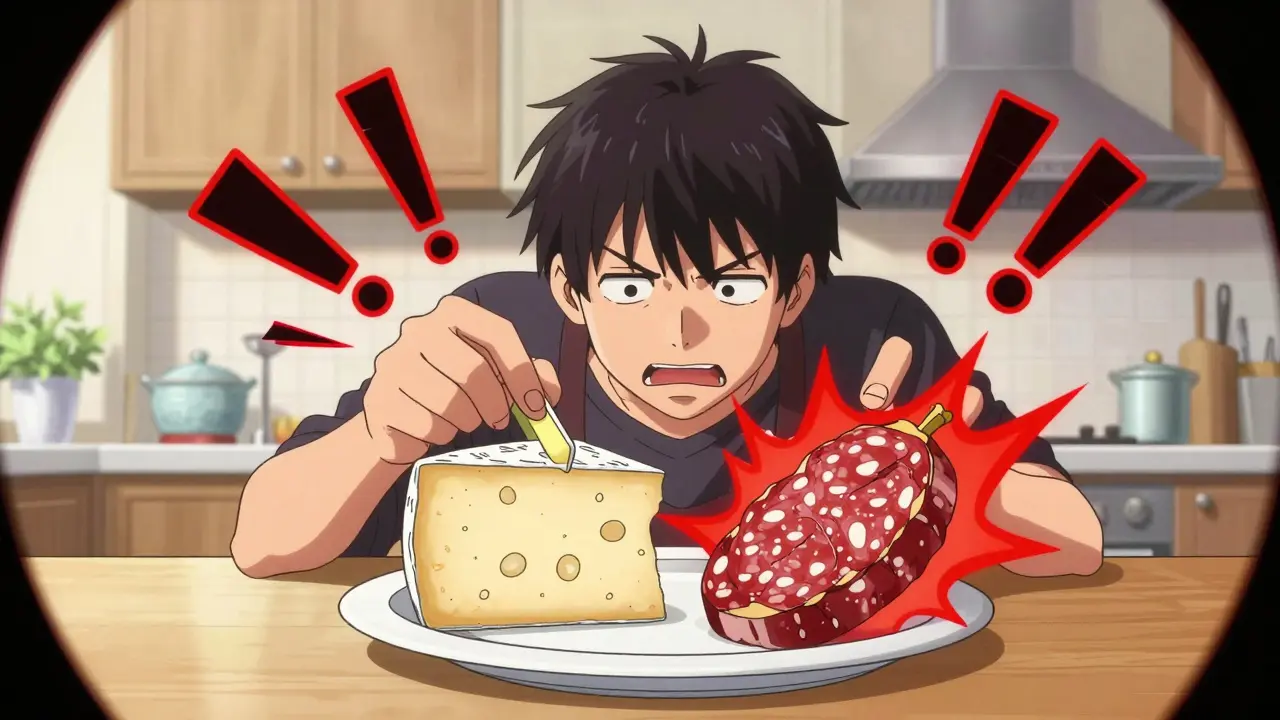
Living with an MAOI means paying attention to what's on your plate. Certain foods contain tyramine, which can cause a sudden, dangerous spike in blood pressure (a hypertensive crisis). You'll want to avoid aged cheeses, fermented sausages, and tap beers. While the selegiline patch lowers these risks at low doses, most people still play it safe.
Stopping these meds is also a delicate process. If you quit an MAOI cold turkey, you might experience "discontinuation syndrome." This isn't just a bad mood; it can involve flu-like symptoms, severe sleep disturbances, and tingling sensations in the skin. A slow taper over two to four weeks is the only way to go.
Can I take an MAOI if I'm currently on Zoloft?
No. You cannot take an MAOI while on Zoloft (sertraline). This combination can cause serotonin syndrome, which is potentially fatal. You must undergo a washout period-usually 14 days-after stopping Zoloft before it is safe to begin an MAOI.
Why is the wait time for Prozac longer than other antidepressants?
Prozac (fluoxetine) has a very long half-life, meaning it stays in your blood and tissues much longer than other drugs. Its active metabolite, norfluoxetine, can linger for weeks. To ensure it is completely gone before starting an MAOI, a 5-week window is required.
What foods should I absolutely avoid on MAOIs?
Avoid high-tyramine foods. This includes aged cheeses (like Gorgonzola or sharp Cheddar), fermented meats (like salami), and some types of beer or red wine. These can trigger a hypertensive crisis, which is a medical emergency.
Are there any "safe" antidepressants to combine with MAOIs?
Yes, medications that do not either strongly inhibit serotonin reuptake or increase serotonin levels significantly are often safe. Examples include bupropion, mirtazapine, and trazodone. Always consult your doctor before combining any medications.
What happens if I stop my MAOI suddenly?
Stopping abruptly can lead to discontinuation syndrome. Symptoms often include insomnia, restlessness, headaches, and flu-like sensations. A gradual taper over several weeks is necessary to avoid these effects.
Next Steps for Patients and Caregivers
If you feel your current depression treatment isn't working, don't give up, but don't experiment on your own. If you're considering an MAOI, find a psychiatrist who specializes in treatment-resistant depression. They have the expertise to manage these complex interactions safely.
Keep a detailed list of every medication, supplement, and over-the-counter drug you take. Even something as simple as a cough suppressant (like dextromethorphan) can interact poorly with MAOIs. When in doubt, ask your pharmacist-they are often the best line of defense against drug-drug interactions.
Recent Post



© 2026. All rights reserved.