Online Pharmacies and Generics: How to Spot Fake Sites and Stay Safe
The danger isn't just that you might get a "sugar pill." Some illegitimate sites sell medication with way too much active ingredient, or none at all, which can lead to accidental overdoses or untreated conditions. With over 35,000 online pharmacies operating globally, only about 20% are actually verified as legitimate. That means four out of five sites you stumble upon could be unsafe. Here is how to tell the difference and protect your health.
The Real Cost of "Too Good to Be True" Generics
Generic medications are a fantastic way to lower healthcare costs, often priced 30-80% below brand-name versions. Legitimate pharmacies offer these savings because generics use the same active ingredients as the brand name but without the expensive marketing and research costs. However, rogue websites use this appetite for savings to lure people in with discounts of 70-90%.
When a price is that low, the pharmacy isn't saving you money; they're cutting corners on safety. According to 2024 USP verification studies, nearly 97% of products from non-verified sites are counterfeit or substandard. We've seen cases where people ordered sertraline and received pills with only 18% of the actual medication. In worse scenarios, mislabeled diabetes medications have caused dangerous hypoglycemic events because the patient didn't get the dose they thought they were taking.
How to Verify a Pharmacy in 5 Minutes
You don't need to be a medical expert to spot a fake. The FDA's BeSafeRX campaign highlights a few non-negotiable red flags. If a site fails any of these, close the tab immediately.
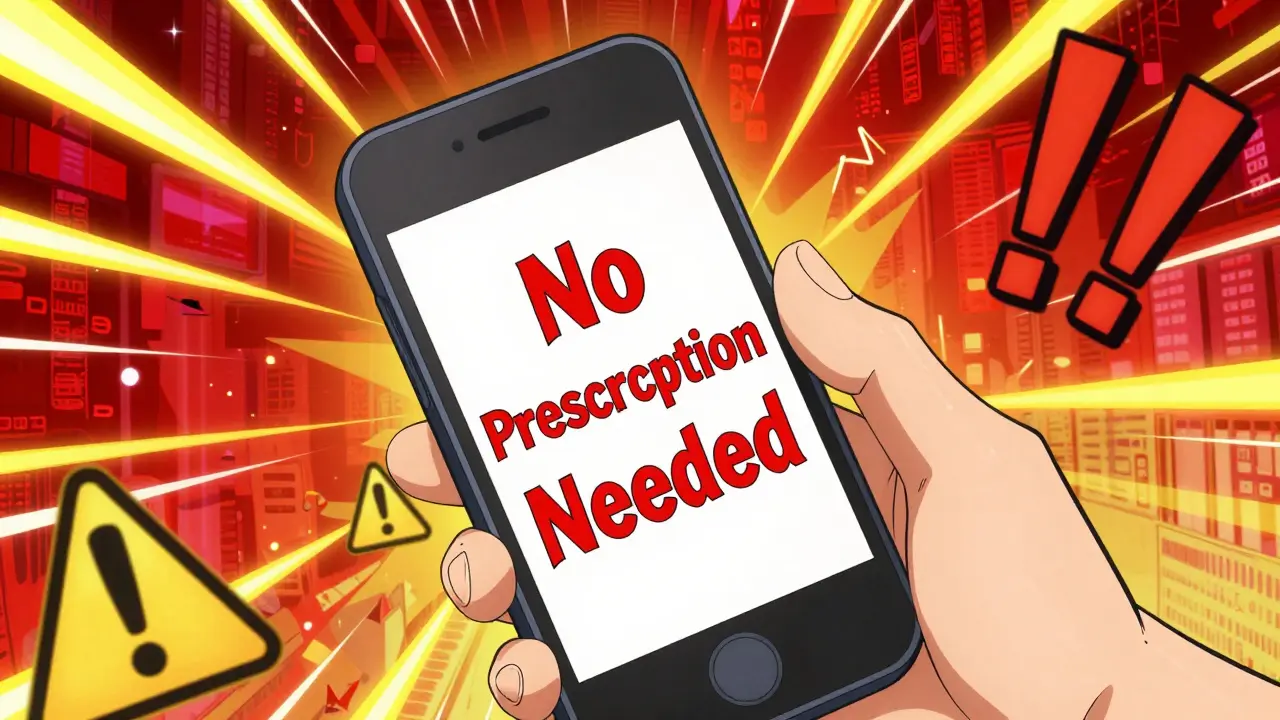
- The Prescription Requirement: A real pharmacy will 100% of the time ask for a valid prescription. If a site says "No Prescription Necessary," it is not a legal pharmacy.
- Physical Address: Legitimate operations have a verifiable physical location. If the "Contact Us" page only has an email form and no street address, be wary.
- Pharmacist Access: You should be able to speak with a licensed pharmacist. Legitimate sites provide professional consultations to ensure the generic you're buying is safe for your specific health history.
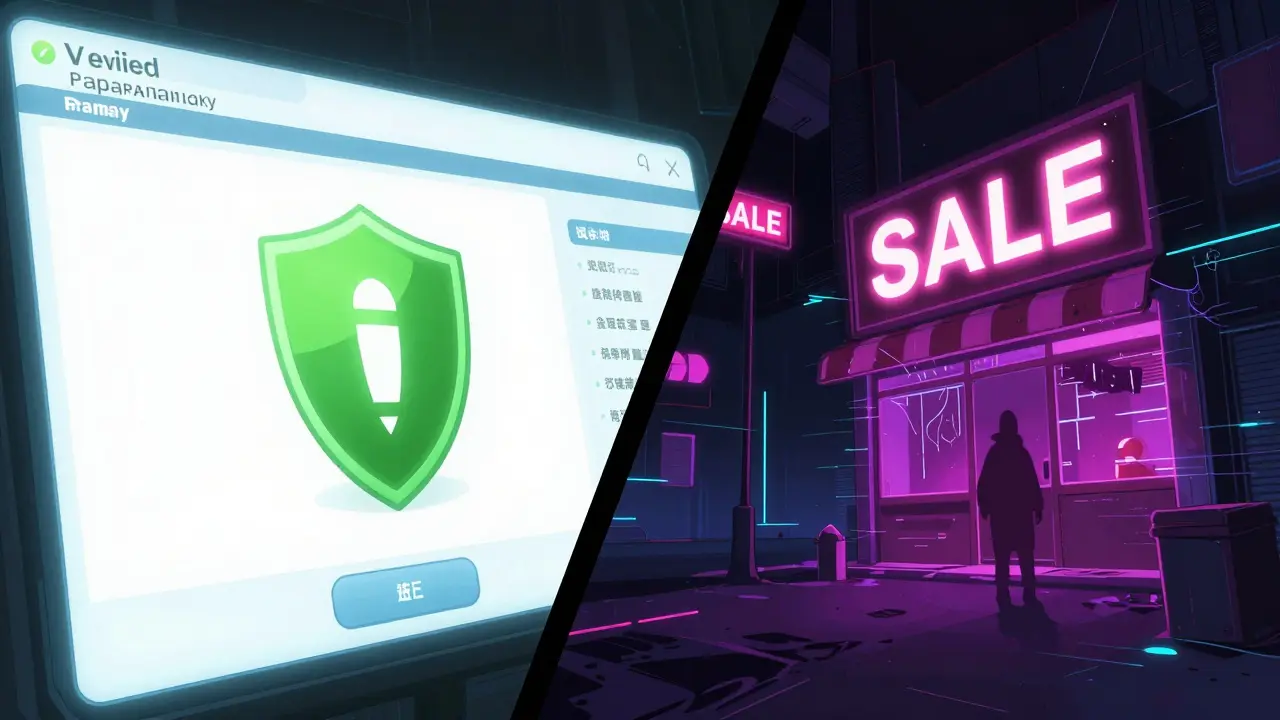
- Accreditation Seals: Look for the VIPPS is a certification provided by the National Association of Boards of Pharmacy (NABP) that verifies a pharmacy meets strict operational and safety standards seal. However, be careful-some scammers copy-paste the logo image. Always click the seal to see if it leads back to the official NABP verification page.
| Feature | Verified Pharmacy (VIPPS) | Unverified/Rogue Site |
|---|---|---|
| Prescription Required? | Always (100%) | Rarely (12%) |
| Medication Authenticity | 99.7% Authentic | Up to 97% Counterfeit |
| Typical Generic Discount | 40-60% off retail | 70-90% off retail |
| Pharmacist Access | Available 24/7 | None or Unqualified |
Shipping and Storage: The Hidden Danger
Even if the pill itself is correct, how it gets to you matters. Many people don't realize that medications are sensitive to heat. The American Pharmacists Association found that 83% of samples from non-compliant shippers showed degradation after just 72 hours in temperatures over 77°F. This means your medication could arrive looking fine but be chemically inactive.
Legitimate players like CVS Caremark or Optum Rx use temperature-controlled logistics. Some states are now making this a law. For instance, Missouri now requires pharmacies to have written policies on "temperature excursions" and must notify patients if their meds were exposed to extreme heat during shipping.

The New Rules of Telehealth and Prescriptions
The way we get prescriptions has changed, especially since the 2020 pandemic. To stop the diversion of controlled substances into the illegal market, the DEA (Drug Enforcement Administration) introduced new rules in January 2025. Now, any telemedicine platform that connects you with a doctor for a prescription must be registered with the DEA.
This means if you're using an app to get a generic prescription, that app needs to be under a specific registration category, such as the "Special Registration for Telemedicine." This creates a paper trail and ensures a doctor has actually evaluated you, rather than just a bot approving your request for a pill. If an online service avoids these registrations, they are operating outside the law, and your safety is at risk.
Practical Steps to Stay Safe
If you're nervous about your current online pharmacy, spend ten minutes doing a quick audit. Start by using a price comparison tool like GoodRx. These tools typically filter for accredited pharmacies, so you aren't even seeing the rogue sites in your search results.
- Check the NABP website to see if the pharmacy is listed as a Verified Internet Pharmacy Practice Site.
- Verify that the site requires a prescription before they will even put a price on the item.
- Look at independent reviews on Trustpilot. Be wary of sites with a 1.8-star average where people complain about receiving "sugar pills" or empty bottles.
- Confirm the pharmacy has a license to operate in your specific state. For example, Massachusetts recently mandated that all nonresident pharmacies must be state-licensed to dispense to their residents.
How can I tell if a generic drug from an online pharmacy is fake?
While it's hard to tell by looking, red flags include pills that crumble easily, unusual colors or smells, or a lack of proper packaging. However, the most reliable way is to only buy from VIPPS-accredited pharmacies, as they have a 99.7% authenticity rate compared to the high counterfeit rates of unverified sites.
Is it safe to use a pharmacy that doesn't require a prescription?
No. It is illegal and dangerous. Legitimate pharmacies always require a prescription to ensure the medication is appropriate for your condition and dosage. Sites that skip this step are often selling unapproved drugs of unknown origin.
Why are some online generics so much cheaper than local pharmacies?
Legitimate online pharmacies save on overhead (no physical storefront for every location) and buy in bulk. However, if the discount is 70-90%, it's likely a rogue site selling counterfeit or substandard medicine.
What should I do if I think I received counterfeit medicine?
Stop taking the medication immediately and contact your doctor. You should report the pharmacy to the FDA's online reporting system to help prevent others from falling victim to the same site.
What is the VIPPS program?
VIPPS (Verified Internet Pharmacy Practice Sites) is a program by the National Association of Boards of Pharmacy that audits online pharmacies to ensure they are licensed, have pharmacists available, and follow privacy laws.