
Antihistamines and Alcohol: Why Mixing Them Increases Drowsiness Dangerously
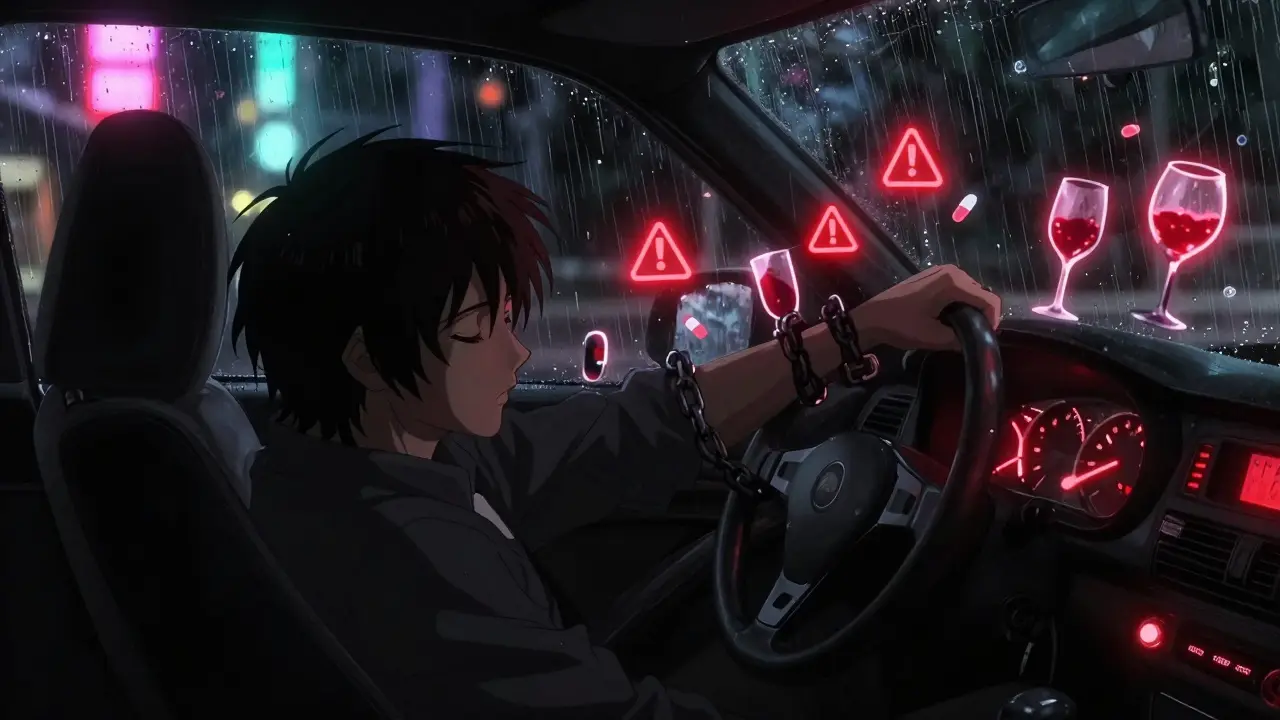
Many people don’t realize that taking an over-the-counter allergy pill with a glass of wine or beer can be riskier than they think. It’s not just about feeling a little sleepy-it’s about losing control of your body in ways you might not notice until it’s too late. If you’ve ever taken Benadryl for a stuffy nose and then had a drink, only to feel like you’ve been hit by a truck, you’re not imagining it. The combination of antihistamines and alcohol doesn’t just add up-it multiplies.
Why This Mix Makes You Dangerously Sleepy
Both alcohol and first-generation antihistamines like diphenhydramine (the active ingredient in Benadryl) slow down your central nervous system. Alcohol does this by boosting GABA, a brain chemical that calms activity, and blocking NMDA receptors that keep you alert. Diphenhydramine works by blocking histamine in the brain, which normally helps you stay awake. When you take them together, these effects don’t just add up-they stack. Studies show the drowsiness can increase by up to 300% compared to using either one alone.This isn’t just about feeling tired. It’s about slower reaction times, poor coordination, and impaired judgment. In one clinical study, people who took diphenhydramine with alcohol had a 47% greater drop in reaction speed than those who drank alcohol by itself. That’s the difference between hitting the brake in time and not reacting until it’s too late.
Not All Antihistamines Are the Same
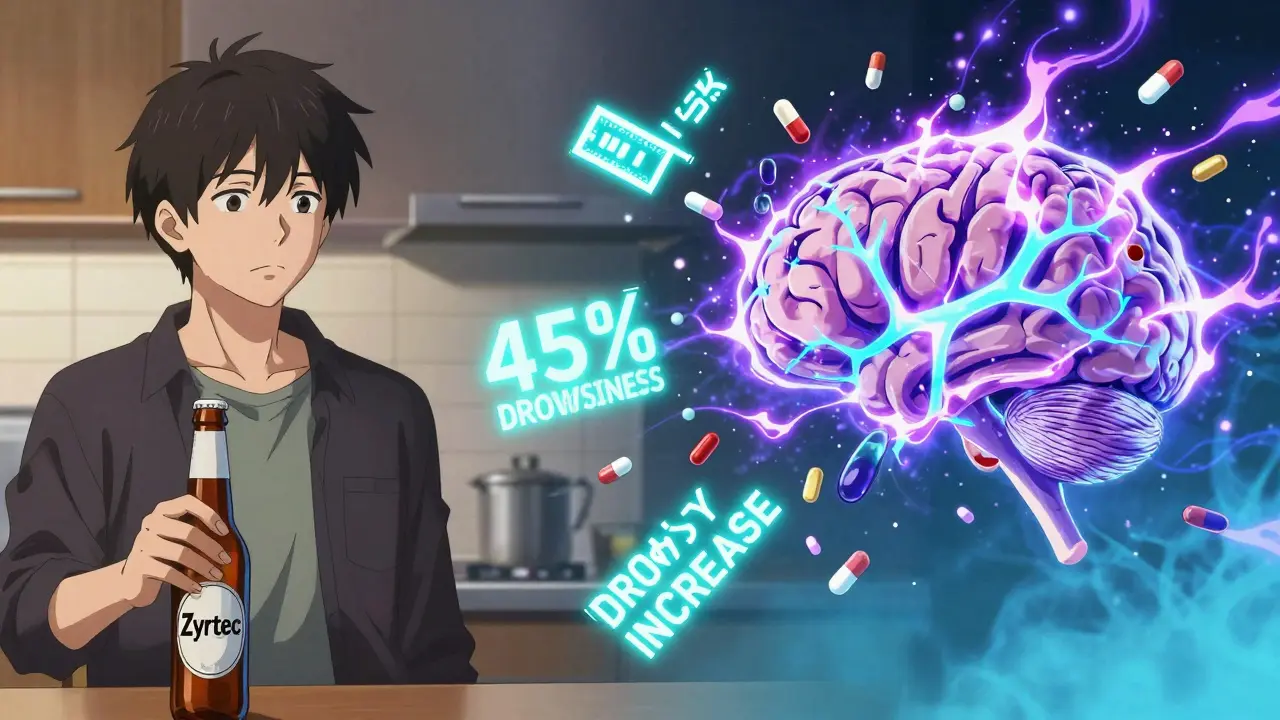
There are two main types of antihistamines: first-generation and second-generation. The older ones-like diphenhydramine, chlorpheniramine, and hydroxyzine-are designed to cross into the brain. That’s why they make you drowsy. About half of all users feel sleepy after taking them. When alcohol is added, that number jumps to 60% or more.Second-generation antihistamines like loratadine (Claritin), cetirizine (Zyrtec), and fexofenadine (Allegra) were made to avoid the brain. They’re labeled “non-drowsy” because they barely enter the central nervous system. Alone, they cause drowsiness in only 6-15% of people. But here’s the catch: alcohol changes that. When you mix Zyrtec with even one drink, drowsiness rates jump to 40-45%. With Claritin, it goes from 10% to 30-35%. So no, “non-drowsy” doesn’t mean “safe with alcohol.”
The Hidden Dangers in Everyday Products
You might not realize you’re taking a first-generation antihistamine. Diphenhydramine is in more than 70 over-the-counter products. It’s not just in allergy pills. It’s in sleep aids like Tylenol PM and Advil PM. It’s in cold and flu remedies like NyQuil and Dimetapp. Even motion sickness tablets like Dramamine contain it. If you’ve ever taken one of these while drinking, you were already mixing two CNS depressants without knowing it.The FDA requires prescription antihistamines to carry strong warnings about alcohol. But OTC products? They only say “may cause drowsiness.” No mention of alcohol. No bold letters. No warning icons. That’s why 63% of people who use antihistamines regularly say they drink within 12 hours of taking them-and only 28% know it’s dangerous.
What Happens in Your Body When You Mix Them
Your liver tries to break down both alcohol and antihistamines using the same enzyme system-CYP3A4 and CYP2D6. When alcohol is present, it clogs up these enzymes. That means the antihistamine sticks around longer. Blood levels stay 25-40% higher than normal. That’s like taking a double dose without realizing it.For older adults, the risk is even worse. People over 65 metabolize both substances slower. The FDA says they experience 2.3 times more CNS depression than younger adults. That’s why falls, confusion, and memory loss are so common in this group after mixing alcohol with antihistamines. One 2022 study found they had a 75% higher risk of hip fractures from just one drink and a single dose of Benadryl.
Real Stories, Real Consequences
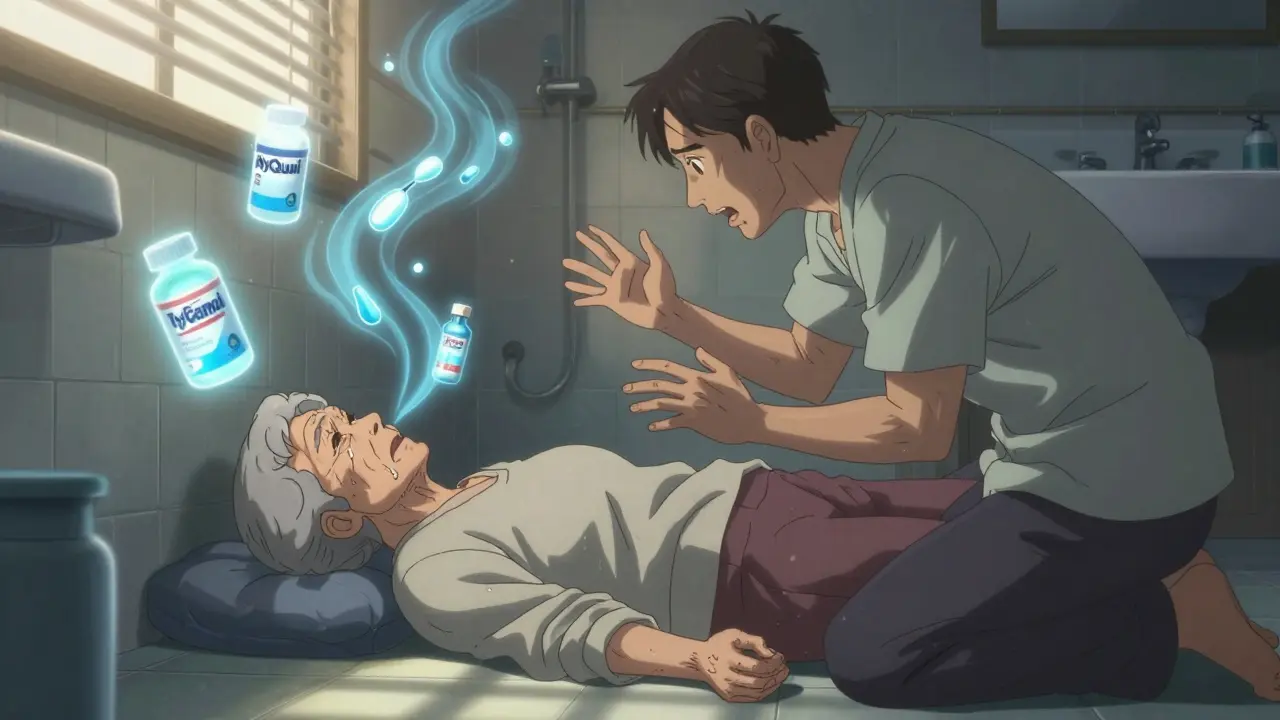
On Reddit’s r/Allergies, 78% of users who mixed alcohol and antihistamines said they felt far sleepier than expected. One in three admitted to falling asleep while driving. A review of 3,500 product ratings on BuzzRx found that 65% of negative Benadryl reviews mentioned alcohol interactions. Common phrases: “passed out unexpectedly,” “couldn’t wake up the next morning.”Older users reported confusion and memory gaps at more than double the rate of younger users. One 68-year-old woman wrote: “I had one glass of wine with my Zyrtec and didn’t remember walking to the bathroom. My husband had to find me asleep on the floor.” That’s not an isolated case-it’s a pattern.
How Long Should You Wait?
There’s no universal rule because everyone’s body processes these substances differently. But medical guidelines give clear benchmarks:- Wait at least 12-16 hours after taking first-generation antihistamines (like Benadryl) before drinking.
- Wait 8-12 hours after second-generation options (like Claritin or Zyrtec).
Even then, if you’re over 50, have liver issues, or take other medications, you should wait longer-or avoid alcohol entirely. The effects can linger longer than you think.
What to Use Instead
If you need to manage allergies and plan to drink, there are safer options. Nasal corticosteroids like Flonase or Rhinocort don’t interact with alcohol at all. Leukotriene inhibitors like Singulair also have no known interactions. The catch? They take 3-7 days to become fully effective. So if you’re planning a weekend outing, start them early.For quick relief, saline nasal sprays, eye drops, or avoiding allergens altogether are the safest bets. If you’re having a severe reaction, though-like swelling or trouble breathing-take your antihistamine anyway. The risk of anaphylaxis far outweighs the risk of drowsiness. But call 911 immediately after.
The Bigger Picture
Emergency visits for alcohol-antihistamine interactions have risen 37% since 2018. The biggest increases? Adults aged 50-64 and women. Why? More people in these groups are using OTC meds regularly, and many don’t know the danger. The allergy medication market is growing-$2.8 billion in 2022-and with climate change making pollen seasons longer, more people are reaching for pills.Pharmaceutical companies are working on third-generation antihistamines like bilastine, which show almost no CNS effects even with alcohol in European trials. But they’re not approved in the U.S. yet. Until then, the message is simple: if you’re taking an antihistamine, assume it’s unsafe with alcohol-even if it says “non-drowsy.”
The truth is, there’s no such thing as a completely safe mix. The risk might be lower with Zyrtec than Benadryl, but it’s still there. And when you’re behind the wheel, operating machinery, or just trying to get through your day, you don’t need to gamble with your safety.
Can I have one drink with Zyrtec or Claritin?
Even though Zyrtec and Claritin are labeled non-drowsy, combining them with alcohol increases drowsiness significantly. One drink can push drowsiness rates from 10% to 30-45%. You may feel fine, but your reaction time, balance, and judgment are impaired. It’s not worth the risk, especially if you’re driving or operating equipment.
Is Benadryl more dangerous with alcohol than other antihistamines?
Yes. Benadryl (diphenhydramine) is a first-generation antihistamine that crosses into the brain easily. When mixed with alcohol, it causes severe drowsiness in up to 60% of users. Studies show it can impair you as much as a blood alcohol level of 0.12-0.15%-well above the legal driving limit. It’s the most dangerous common antihistamine to mix with alcohol.
How long does diphenhydramine stay in your system?
Diphenhydramine can stay in your system for 8-12 hours in healthy adults, but its effects on alertness may last longer. When combined with alcohol, the drug’s metabolism slows down, so it can linger 25-40% longer. To be safe, wait at least 12-16 hours after taking Benadryl before drinking alcohol.
Can mixing antihistamines and alcohol cause breathing problems?
Yes. Both substances depress the central nervous system, which includes the part of the brain that controls breathing. In high doses or with other risk factors (like age, obesity, or existing lung conditions), this combination can lead to slowed or shallow breathing. In extreme cases, it can cause respiratory failure. Emergency room visits for this reason have increased sharply since 2018.
What should I do if I’ve already mixed alcohol and antihistamines?
If you feel extremely drowsy, confused, dizzy, or have trouble breathing, don’t wait. Call emergency services immediately. If you’re alone, don’t lie down-stay seated and alert someone nearby. Avoid driving or operating machinery. Even if you feel fine, your coordination and reaction time are likely impaired. Rest, hydrate, and avoid any more alcohol or sedatives until you’re fully alert.





Comments
henry mateo
December 30, 2025 AT 22:21so i took zyrtec last night and had a beer at dinner... woke up at 3am feeling like i’d been run over by a truck. thought i was sick. turns out it was the combo. dumb move. never again.
Glendon Cone
January 1, 2026 AT 19:54bro this is wild. i used to mix benadryl and whiskey like it was a bedtime ritual 😅 turns out i was just slowly turning into a zombie. now i use saline sprays and call it a day. no regrets. 🙌
Aayush Khandelwal
January 3, 2026 AT 06:09the pharmacokinetic synergy here is textbook-CYP3A4 saturation + GABAergic potentiation creates a nonlinear CNS depression curve. what’s wild is how the industry markets these as 'non-drowsy' while burying the alcohol interaction in 8pt font. it’s not negligence, it’s capitalism. 🧠💊
Kunal Karakoti
January 3, 2026 AT 13:25we treat our bodies like machines you can tweak with pills and drinks, but the nervous system isn’t a dashboard with separate dials. it’s a symphony-and mixing alcohol and antihistamines is like turning up the bass while the violinist’s bow snaps. you don’t hear the crash until it’s too late.
Sandeep Mishra
January 5, 2026 AT 03:48for all my fellow indians-yes, this applies to you too. we think 'one glass of lassi' won't matter, but if you’re taking cetirizine for seasonal allergies and then having a beer at dinner? you’re playing russian roulette with your balance. i’ve seen uncles fall in the bathroom. don’t be one of them.
Joseph Corry
January 7, 2026 AT 01:43the real tragedy isn’t the drowsiness-it’s that people still believe 'non-drowsy' means 'safe.' it’s like calling a chainsaw 'quiet' because it doesn’t scream. the label is marketing, not medicine. and anyone who thinks they’re 'fine' after mixing them is just in denial. your reaction time is already compromised-you just don’t know it yet.
Colin L
January 7, 2026 AT 19:26you know what’s worse than mixing alcohol and antihistamines? the fact that nobody talks about how this affects your emotional regulation too. i once took diphenhydramine with a glass of wine and ended up crying uncontrollably in front of my cat for 45 minutes. i didn’t even know i was sad about my childhood. now i know: it’s not the wine, it’s the brain fog. and now i’m wondering if all my bad decisions were just pharmacological.
Hayley Ash
January 7, 2026 AT 21:13oh so now we’re treating adults like toddlers who can’t handle a drink and a pill? next they’ll ban coffee with ibuprofen. 'non-drowsy' doesn’t mean 'zero effect' it means 'less than benadryl'-and if you’re too stupid to read the label, maybe you shouldn’t be allowed to own a car
kelly tracy
January 9, 2026 AT 13:34everyone’s acting like this is news. i’ve been telling people for years: if you’re taking something that says 'may cause drowsiness' and you drink, you’re not a cool adult-you’re a walking hazard. and yes, i’m talking to you, kelly, you think you're fine after one Zyrtec and two glasses of wine? your car thinks you're dead.