
Gene Therapy and Drug Interactions: Unique Safety Challenges
Gene Therapy Drug Interaction Checker
How This Works
Enter your gene therapy type and current medications to see potential interaction risks. This tool models common scenarios based on clinical evidence from the article.
Enter your therapy type and medications to see potential interaction risks.
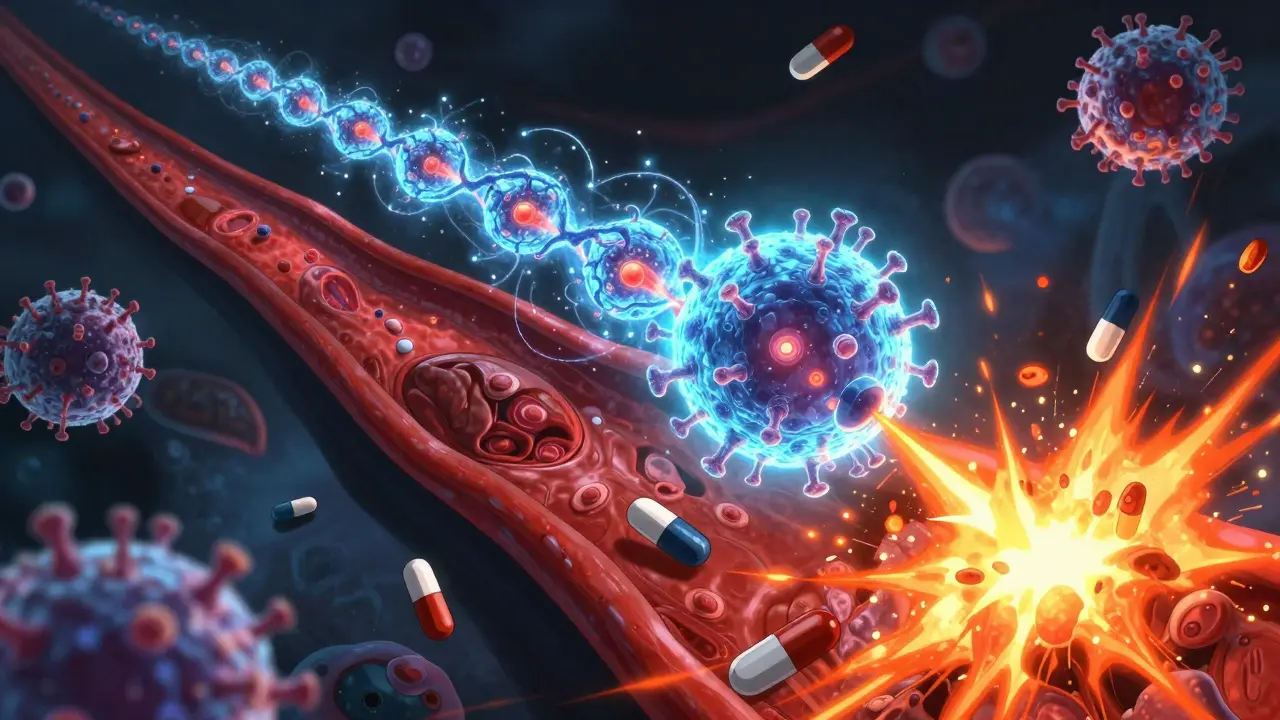
Gene therapy isn’t just another treatment option-it’s a rewrite of how we think about disease. Instead of managing symptoms with pills or injections, it aims to fix the root cause by delivering working genes into your cells. But here’s the catch: when you start changing someone’s DNA, everything else in their body starts behaving differently. That includes how their body handles the drugs they’re already taking.
Why Gene Therapy Changes the Rules
Traditional drugs are temporary. You take a pill, it gets absorbed, does its job, and leaves your system in hours or days. Gene therapy? It’s meant to stick around. Some treatments are designed to last a lifetime. That’s powerful-but it also means side effects don’t just show up the next day. They can hide for years. The biggest safety concerns don’t come from the gene itself, but from how it gets delivered. Most therapies use viruses-modified, harmless versions-as delivery trucks. Adeno-associated viruses (AAVs) are the most common now, but even these aren’t perfect. Your immune system sees them as invaders. And if your body reacts too strongly, it can trigger a dangerous inflammatory response. That’s what happened in 1999 with Jesse Gelsinger. He died after his immune system went into overdrive following an adenovirus-based gene therapy. That case changed everything.When Your Immune System Throws a Fit
Think of your immune system like a security alarm. Normally, it’s quiet. But when a viral vector enters your bloodstream, it sounds the alarm. Cytokines flood your body. Blood vessels leak. Liver enzymes spike. This isn’t just a fever-it’s a full-blown storm that can shut down organs. Here’s the problem: this storm doesn’t just hurt you. It changes how your liver processes drugs. The same enzymes that break down painkillers, blood thinners, and antidepressants can get turned up or down by inflammation. A patient on warfarin might suddenly bleed. Someone taking statins could develop muscle damage. And because immune responses vary wildly from person to person, there’s no way to predict it ahead of time. In one study, patients receiving AAV gene therapy for a rare liver disease saw their CYP3A4 enzyme activity drop by nearly 60% within weeks. That’s the same enzyme that metabolizes over half of all prescription drugs. Suddenly, their blood levels of common medications became toxic. No one saw it coming.Genes That Don’t Stay Put
Not all gene therapies are the same. Some use viral vectors that stitch themselves into your DNA. Others use CRISPR tools that cut and paste without permanent integration. But the ones that integrate? They’re a gamble. In the early 2000s, children with SCID-X1-a severe immune disorder-were treated with gamma-retroviral vectors. Most got better. But five of them developed leukemia. Why? The therapy accidentally activated a cancer gene called LMO2. It wasn’t the gene they were trying to fix. It was where the therapy landed. This isn’t just about cancer. It’s about how those changes affect drug metabolism over time. Imagine a gene therapy that modifies liver cells. Years later, those same cells start producing abnormal proteins. Now your body handles drugs differently. A medication that worked fine for ten years suddenly stops working-or becomes deadly. And you wouldn’t know until it’s too late.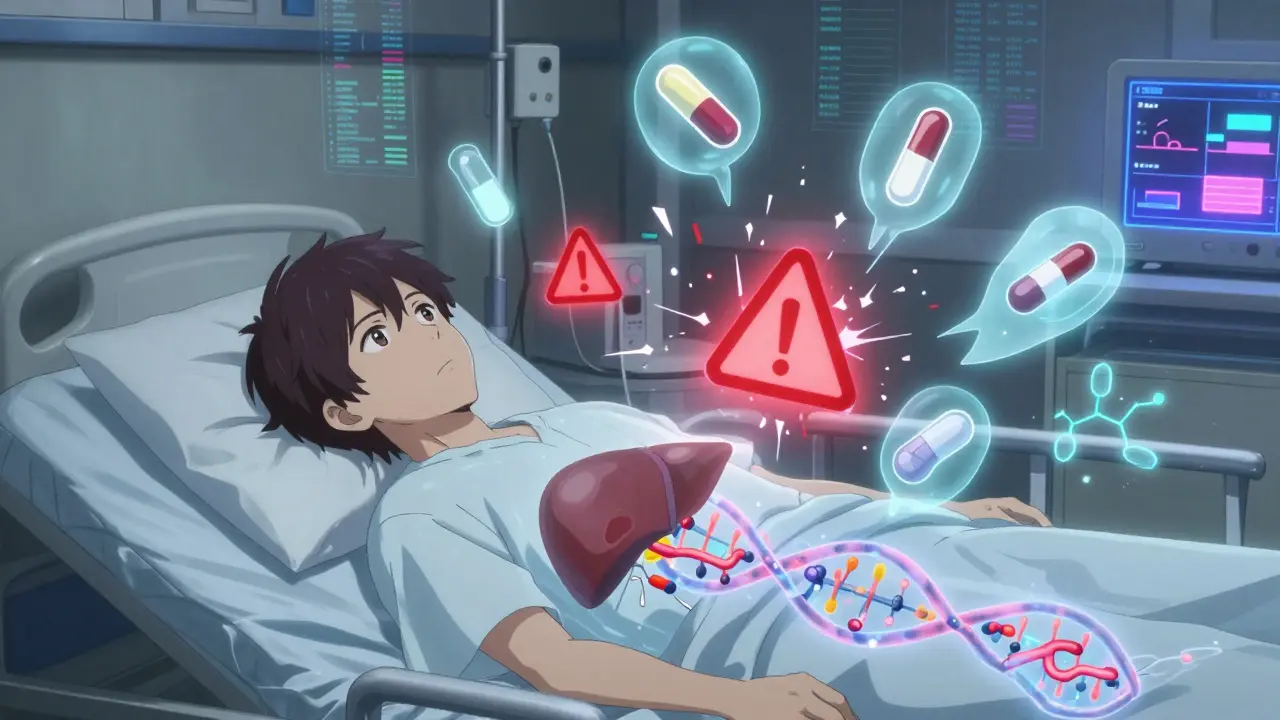
Off-Target Effects and Hidden Risks
Gene therapies are supposed to target specific tissues. But viruses don’t read maps. AAV9, for example, is great for the brain and heart-but it also ends up in the liver, kidneys, and even the pancreas. That’s not always bad. But if those off-target cells start expressing the new gene, you get unintended consequences. One patient receiving AAV gene therapy for spinal muscular atrophy developed elevated liver enzymes months after treatment. Turns out, the therapy had expressed the therapeutic gene in his pancreas. That altered insulin signaling. His diabetes medication stopped working. No one had ever seen that interaction before. And then there’s the risk of gene transfer. If you’re treated with a viral vector, could you pass it on? The FDA now requires companies to prove their therapies won’t spread to family members. But what if a caregiver gets exposed during a routine blood draw? Or a child picks up a used needle? There’s no way to control that. And if someone else gets gene therapy without consent, their drug interactions become a mystery.Long-Term Monitoring Isn’t Optional
For regular drugs, you’re watched for 30 days. For gene therapy? You’re monitored for 15 years. The FDA requires long-term follow-up for any therapy using integrating vectors or those with latency potential-like herpes simplex virus-based systems. Why? Because some problems take years to show up. A child treated at age 5 might seem fine until they’re 18 and start having seizures. Or a 40-year-old man develops liver cancer after his gene therapy quietly altered a tumor suppressor gene. Doctors now keep detailed logs: what drugs the patient took, when, and at what dose. They track immune markers, liver function, and even genetic changes over time. It’s not just about safety-it’s about understanding patterns. Without this data, we can’t predict future interactions.
What We Don’t Know
Here’s the uncomfortable truth: we don’t have a reliable way to predict drug interactions with gene therapy. There’s no database. No algorithm. No standard test. We know AAV serotypes behave differently. AAV8 targets the liver. AAV9 crosses the blood-brain barrier. But we don’t know how each affects CYP2D6, CYP2C9, or UGT1A1-the enzymes that handle most medications. We don’t know how age, genetics, or existing liver disease changes the risk. And we’re treating more people every year. In 2025, over 120 gene therapies were in clinical trials. Most haven’t been studied with common drugs like statins, antidepressants, or blood pressure meds. The interactions? Still hidden.What Patients and Doctors Need to Do
If you’re considering gene therapy-or already had it-here’s what matters:- Keep a full drug list. Include supplements, OTC meds, and even herbal teas. Some herbs like St. John’s wort can interfere with gene therapy delivery.
- Tell every doctor you see. Even your dentist. Gene therapy changes how your body responds to anesthesia, antibiotics, and painkillers.
- Get regular blood tests. Liver enzymes, drug levels, and immune markers should be tracked yearly-even if you feel fine.
- Don’t start new meds without consulting your gene therapy team. A simple new antibiotic could throw your whole system off.




Comments
Katelyn Slack
January 7, 2026 AT 04:11so i just got my kid gene therapy last year and honestly i didnt think about how his asthma inhaler might interact with it. now im freaked out. my dr just said 'it should be fine' but now i'm reading this and wondering if we missed something. i keep a list of everything he takes but... what if something changes years later?
Melanie Clark
January 8, 2026 AT 20:38THIS IS WHY THEY DONT WANT YOU TO KNOW THE TRUTH THE PHARMA COMPANIES ARE HIDING THIS THEY KNOW THAT GENE THERAPY MAKES YOU A LAB RAT FOR LIFE AND THEY DONT CARE IF YOU BLEED OUT OR GET CANCER LATER BECAUSE THEY MAKE BILLIONS FROM YOUR SUFFERING THE FDA IS CORRUPT AND YOUR DOCTOR IS PAID TO KEEP QUIET
Harshit Kansal
January 9, 2026 AT 11:23bro this is wild i had no idea gene therapy could mess with your meds like that. my uncle got it for his liver disease and he’s been on statins for 15 years. now he’s scared to even take ibuprofen. maybe we need a gene therapy pharmacy where they just tell you what not to take
Brian Anaz
January 9, 2026 AT 18:21we’re letting scientists play god and now we’re surprised when things go wrong? this is why america is falling behind. we don’t regulate enough. in china they test for 10 years before approval. here we slap a label on it and call it a miracle. dumb.
Vinayak Naik
January 11, 2026 AT 09:21yo this hits different. i work in a clinic in bangalore and we’ve got a few patients on AAV therapies. one guy on warfarin had a near-miss bleed after his infusion. we didn’t catch it till his INR hit 8. nobody told us the virus could nuke his CYP2C9. we’re flying blind and it’s scary as hell. we need a global tracker. like a gene therapy drug interaction wiki. open source. crowd-sourced. let’s build it before someone dies.
Saylor Frye
January 12, 2026 AT 14:12how quaint. we’re treating patients like they’re in a 1980s clinical trial while the rest of the world moves on. the real issue isn’t the science-it’s the arrogance of assuming we can control biology without a roadmap. it’s like giving someone a rocket ship and saying ‘just don’t crash’.
Molly McLane
January 13, 2026 AT 17:54thank you for writing this. i’m a nurse and i’ve seen patients come in confused because their antidepressants stopped working after gene therapy. no one told them to check in with their therapy team. we need to make this part of every patient handoff. a simple checklist: ‘Have you had gene therapy? Are you on any meds? Let’s recheck your labs.’ it’s not complicated. it’s just not standard.
Wesley Pereira
January 14, 2026 AT 09:26so you’re telling me that after spending $2M on a one-time cure, you now have to avoid coffee, ibuprofen, and your grandma’s turmeric tea for the rest of your life? brilliant. just brilliant. the real gene therapy is the one that makes you paranoid about your own body. congrats, science. you turned patients into walking drug interaction spreadsheets.
Isaac Jules
January 16, 2026 AT 01:47YOU PEOPLE ARE SUCH COWARDS. IF YOU’RE TOO SCARED TO TAKE A THERAPY THAT COULD SAVE YOUR LIFE THEN DON’T. BUT STOP WHINING ABOUT SIDE EFFECTS THAT WERE WARNED ABOUT IN THE 100-PAGE INFORMED CONSENT FORM. YOU KNEW THE RISK. NOW DEAL WITH IT. THIS IS MEDICINE, NOT A CANDY STORE.
Pavan Vora
January 16, 2026 AT 06:42Interesting, very interesting... I mean, in India, we have a long tradition of Ayurvedic medicine, where balance is everything, and when we introduce such a powerful, invasive, and irreversible technology... it’s almost as if we are disrupting the natural flow of prana, you know? And then, to compound it, we don’t even have a proper system to monitor these interactions... it’s tragic, really, because the potential is there, but the wisdom? Not so much.
Stuart Shield
January 16, 2026 AT 07:14the most haunting part for me is the caregiver risk. imagine your partner gets gene therapy, and you accidentally prick your finger on a needle they used. now you’ve got viral vectors in your blood. you don’t even know what gene they got, what virus they were using, what drugs they’re on. you go to the ER for a broken arm, they give you antibiotics, and you end up in the ICU. no one ever thought about that. it’s not just the patient-it’s everyone around them.
Indra Triawan
January 16, 2026 AT 23:26isn't it ironic that we seek to rewrite our biology to escape suffering, yet in doing so, we create a new kind of existential loneliness? we become strangers to our own bodies, haunted by the silent mutations we invited in, wondering if tomorrow’s headache is just stress... or the beginning of a cascade we can’t undo?