
How to Evaluate Stability of Repackaged or Pillbox Medications
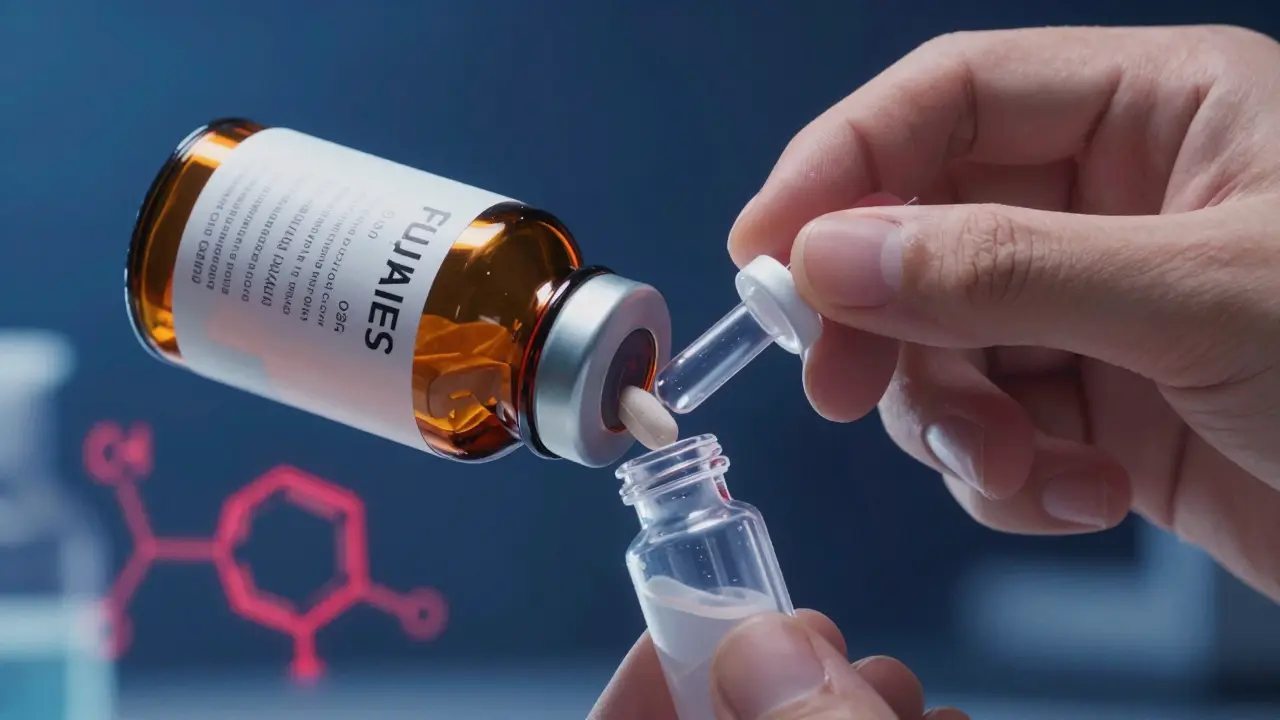
When you take your meds out of the original bottle and put them into a pillbox or a pharmacy-repackaged vial, you might think the expiration date stays the same. It doesn’t. And that’s not just a technicality-it’s a safety issue.
Why Original Packaging Matters
Pharmaceutical companies design their containers with extreme precision. A bottle of amoxicillin isn’t just plastic with a cap. It’s a sealed system with desiccants, child-resistant closures, and barrier materials that keep moisture and air out. The manufacturer tests that exact setup under real-world conditions to determine how long the drug stays potent and safe. Once you transfer that pill into a generic pharmacy vial or a plastic pill organizer, you’re breaking that system. Those pharmacy vials? They’re made for short-term storage, not long-term protection. Their moisture vapor transmission rate is up to twice as high as the original bottle. That means moisture gets in faster. And moisture is one of the biggest killers of drug stability.What Happens When Medications Degrade
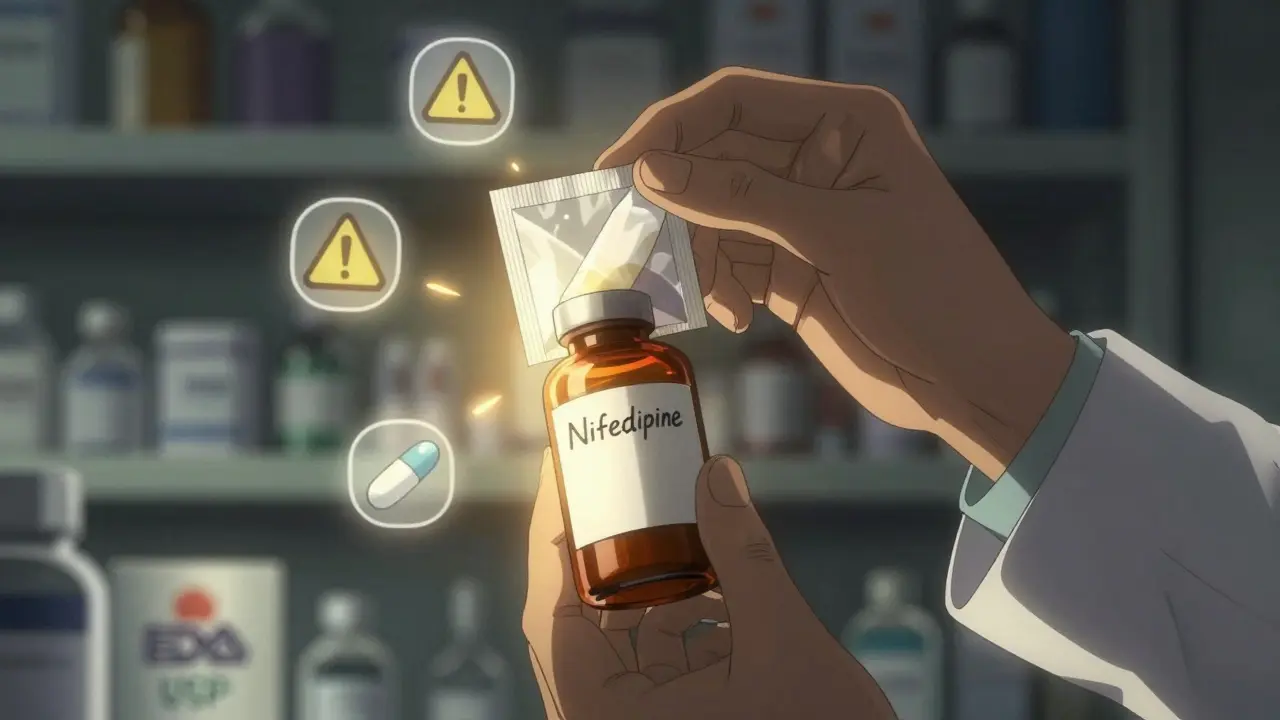
Drugs don’t just “go bad” like milk. They break down chemically. For example:- Antihypertensives like nifedipine can lose potency when exposed to light, turning from yellow to brown.
- Amoxicillin absorbs moisture and clumps, reducing how much actually dissolves in your stomach.
- Albuterol tablets stored in standard vials lost over 15% of their active ingredient in just 90 days-while the same pills in original packaging stayed stable at under 4% loss.
Repackaged vs. Pillbox: Two Different Problems
Repackaged medications (like a pharmacy putting 30 days’ worth of pills into a labeled vial) and pillbox medications (where you mix multiple drugs into a weekly organizer) have different risks. Repackaged meds face environmental threats: light, humidity, oxygen. Pillbox meds add another layer: chemical interactions. When you put together a beta-blocker, a statin, and an antidepressant in one compartment, they don’t just sit there quietly. Moisture can cause them to stick together, change color, or even react chemically. A 2022 study from the American Pharmacists Association found that 18.7% of pillbox combinations showed visible changes-caking, discoloration, or sticking-within two weeks. And here’s the kicker: most people don’t realize that once you transfer a drug, the manufacturer’s expiration date no longer applies. The FDA is crystal clear: you can only use the original expiration date if the drug stays in its original container with its original desiccant and seal.
What Experts Say About Shelf Life
There’s no one-size-fits-all answer, but here’s what the science and regulations say:- Hygroscopic drugs (those that suck up moisture): 30 days max. This includes amoxicillin, doxycycline, and levothyroxine.
- Light-sensitive drugs: 60 days max. Think nifedipine, risperidone, or nitroglycerin.
- Stable solids (like atenolol or metformin): up to 90 days, if stored in amber vials with desiccant.
- General rule for most repackaged solids: no longer than 6 months, even under ideal conditions.
How to Actually Test Stability (Without a Lab)
You don’t need an HPLC machine to make smart decisions. Here’s how to evaluate stability in practice:- Check the container. Is it amber glass? Does it have a desiccant pack? If it’s a clear plastic vial with no desiccant, assume higher risk.
- Look for physical changes. Discoloration? Clumping? Odor? Cracks? If the pill looks different, don’t take it.
- Know the drug’s sensitivity. Is it moisture-sensitive? Light-sensitive? High-risk? Narrow therapeutic index? If yes, be extra cautious.
- Use the 30-60-90 rule. For most patients, set a 30-day limit for high-risk meds, 60 for moderate, and 90 for low-risk-unless you have test data proving longer stability.
- Store smart. Keep repackaged meds in a cool, dry place-not the bathroom, not the car, not a sunny windowsill. A bedroom drawer is better than most pharmacy vials.
What Pharmacies Should Be Doing
If you’re a pharmacist or work in a pharmacy, here’s what you need to implement:- Label every repackaged container with your own expiration date. Never copy the manufacturer’s date.
- Use desiccants. A simple silica gel pack in the vial can extend stability by nearly 50%, according to ISMP’s 2023 trial with over 8,400 units.
- Use amber vials for light-sensitive drugs. Clear plastic is not okay for nifedipine or alprazolam.
- Test high-risk meds. If you’re repackaging warfarin, digoxin, or chemotherapy agents, you need HPLC testing. No shortcuts.
- Train your staff. The Pharmaceutical Compounding Accreditation Board now requires 8 hours of annual stability training for accredited pharmacies. It’s not optional anymore.
What Patients Should Do
You’re not expected to run a lab. But you can protect yourself:- Ask your pharmacist: “What’s the expiration date for these pills in this container?”
- Don’t assume the date on the bottle is still valid if you moved the pills.
- If your pills look, smell, or feel different-stop taking them.
- Use pill organizers only for short-term use (1-2 weeks max), and refill weekly.
- When in doubt, throw it out. A degraded pill isn’t just less effective-it can be dangerous.
The Bottom Line
Repackaging medications isn’t wrong. It’s practical. But it’s not risk-free. The system is broken because too many pharmacies treat it like a convenience, not a science. The FDA, USP, and ISMP all agree: stability must be evaluated, documented, and labeled properly. You can’t rely on manufacturer dates after repackaging. You can’t trust clear plastic vials without desiccants. And you can’t ignore color changes or clumping. The safest approach? Keep meds in their original bottles whenever possible. If you must repack, do it with knowledge-not habit. And always, always label it with a new expiration date based on real-world science, not guesswork.Can I use the original expiration date after putting pills in a pillbox?
No. The manufacturer’s expiration date only applies if the drug stays in its original container with its original packaging, including desiccants and seals. Once you transfer pills to a pillbox or pharmacy vial, you’ve changed the environment. The original date is no longer valid. You must assign a new, shorter expiration date based on the drug’s stability in its new container.
How long can I keep repackaged medications?
It depends on the drug and the container. For moisture-sensitive drugs like amoxicillin or levothyroxine, use within 30 days. For light-sensitive drugs like nifedipine, use within 60 days. For stable drugs like atenolol in amber vials with desiccant, up to 90 days is generally acceptable. Most experts agree that no repackaged solid should last longer than 6 months under standard pharmacy storage conditions.
Are pillboxes safe for long-term use?
Pillboxes are fine for short-term use-like 1 to 2 weeks-but not for long-term storage. When multiple drugs are mixed in one compartment, they can interact physically (caking, discoloration) or chemically. A 2022 study found that nearly 19% of pillbox combinations showed visible changes within two weeks. Use pillboxes only for daily dosing, and refill them weekly with fresh medication from properly labeled containers.
Do desiccant packs really help?
Yes. A 2023 ISMP trial involving over 8,400 repackaged units showed that adding a simple silica gel desiccant pack extended the stability of moisture-sensitive drugs by 47%. Even in standard pharmacy vials, desiccants significantly reduce degradation from humidity. Always include one if your pharmacy doesn’t.
What should I do if my pills look different?
Stop taking them immediately. Discoloration, caking, crumbling, or an odd smell are signs of degradation. Even if the expiration date hasn’t passed, the pill may no longer be safe or effective. Return them to your pharmacy and ask for a new supply in original packaging if possible. Never risk taking a visibly altered medication.
Is it legal for pharmacies to reuse expiration dates?
No. The FDA’s 2023 warning letter to a major pharmacy chain specifically cited “failure to establish and follow written procedures for determining and assigning expiration dates for repackaged drug products” as a critical violation. Pharmacies are legally required to assign new expiration dates based on stability data-not copy the manufacturer’s date. Doing so is a regulatory violation and a patient safety risk.



Comments
Payton Daily
December 28, 2025 AT 15:49Man, I never thought about this until my grandma started using that plastic pillbox and then got sick because her blood pressure meds turned to dust. I mean, we all do it-convenient, right? But now I get it: that little silica pack isn’t just for show. It’s literally keeping her alive.
And don’t even get me started on pharmacies just slapping on the original date like it’s a sticker on a soda can. That’s not service, that’s negligence.
My cousin’s pharmacist told her the pills were good for a year in the organizer. I almost threw a chair. 90 days, max. That’s it. Science isn’t optional.
Why do we treat medicine like it’s a bag of chips? ‘Oh, it’s still in the box, so it’s fine.’ Nah. Pills ain’t chips. They don’t expire when they taste stale-they expire when your body stops working because the dose is wrong.
Stop being lazy. Label it. Store it right. Throw it out if it looks weird. It’s not expensive. It’s not hard. It’s just… care.
I used to roll my eyes at this stuff. Now I carry a tiny notebook with expiration dates for every med in my house. My mom thinks I’m crazy. I think she’s gonna die if she doesn’t start doing the same.
And yeah, I know some of you are like ‘It’s just a pill.’ But if you’ve ever seen someone go into cardiac arrest because their beta-blocker lost 30% potency? You won’t say that again.
Just… please. Don’t be the person who says ‘I didn’t know.’ You know now.
ANA MARIE VALENZUELA
December 29, 2025 AT 03:23Wow. Someone finally said it without sugarcoating. Most of you are still out here treating your meds like a game of Tetris in a plastic box. You think ‘it’s just one pill’-but one pill can kill you if it’s degraded.
And yes, the FDA says you’re breaking the law if you reuse manufacturer dates. That’s not a suggestion. That’s a federal violation. Pharmacies that do this are playing Russian roulette with your life.
Also-stop using clear plastic vials for nifedipine. It’s not a fashion choice. It’s a death sentence waiting to happen.
And before you say ‘But I’ve been doing this for years!’-congrats. You’ve been lucky. Luck isn’t a storage protocol.
Next time your pill looks like a crumbly rock? Don’t take it. Don’t ‘try a little.’ Don’t ‘see if it works.’ Just throw it out and call your pharmacy. You’re not saving money-you’re gambling with your organs.
Bradly Draper
December 30, 2025 AT 11:41This made me cry a little. My dad’s on like 12 meds and he uses a pillbox every week. I never knew any of this. I just thought it was ‘how people do it.’
Now I’m going to sit down with him this weekend and help him reorganize everything with proper labels and amber vials. I didn’t realize how much I was putting him at risk by not asking.
Thank you for writing this. Not everyone gets to have someone explain it like this. I’m going to share it with my whole family.
Gran Badshah
December 31, 2025 AT 06:15bro in india we just take pills from the bottle and throw em in a tin box and call it a day. no desiccant, no amber glass, no nothing. my aunt took her heart pills from a plastic bag for 6 months and she’s fine. maybe western medicine is overcomplicating it?
we don’t have labs. we don’t have money. we just take the pill. and we live.
maybe the real issue is you guys have too much time and money to worry about this?
Vu L
January 1, 2026 AT 22:42Actually, most of this is nonsense. The FDA doesn’t care if you put pills in a pillbox. They’re not gonna come knock on your door. And 90% of these ‘studies’ are funded by pharmaceutical companies trying to sell you more bottles.
I’ve had my blood pressure meds in a Ziploc for 8 months. No side effects. No issues. The pill still looks the same. So what’s the big deal?
Also, desiccants? Please. I’ve seen those little packets. They’re just chalk. I’ve eaten them by accident. No harm done.
This whole post feels like fearmongering dressed up as science. Chill out. Your body’s smarter than you think.
oluwarotimi w alaka
January 3, 2026 AT 20:26you think this is about pills? nah. this is about control. the fda, big pharma, the ‘experts’-they want you to buy new bottles every month so they can make more money. they scare you with ‘degradation’ and ‘stability’ so you panic and buy more.
in nigeria, we use plastic bags and old tins. our grandmas lived to 95 on the same pills for years. why? because they didn’t listen to these fake science blogs.
they trusted their body, not some lab report written by a guy in a lab coat who’s never held a real pill.
you think your ‘amber vial’ is safe? what if the vial was made in china? what if the desiccant is fake? who checks that?
you’re being played. the real danger isn’t the pill. it’s the system that wants you dependent on their rules.
throw away the labels. trust yourself. the pills are fine. they’ve been fine for centuries. you’re just scared because you’ve been taught to be.
Debra Cagwin
January 4, 2026 AT 21:59This is such an important conversation-and thank you for laying it out so clearly. I’ve been a nurse for 22 years, and I’ve seen too many patients get sick because they didn’t know the difference between original packaging and repackaged meds.
I want to say to everyone reading this: You are not being paranoid. You are being responsible.
If you’re using a pillbox, that’s okay! Just make sure you refill it weekly, write the date on it, and store it in a cool, dark place. No judgment. Just awareness.
And if your pharmacist doesn’t give you a new expiration date? Ask again. Politely but firmly. You deserve to know when your meds are safe.
And if you’re scared to ask? Bring a friend. Bring a family member. You don’t have to do this alone.
We’re not trying to make you feel guilty. We’re trying to make you feel safe.
You’re not a burden. You’re a person who deserves to live well. And that starts with knowing what’s in your body-and when it’s still good.
I believe in you. And I’m so glad you’re reading this.
Hakim Bachiri
January 5, 2026 AT 09:15Let’s be real: this whole thing is a corporate scam. You think the FDA gives a damn about your ‘stability’? They’re too busy letting pharmaceutical giants patent water.
Amber vials? Desiccants? 30-day limits? That’s not science-it’s profit-driven overkill. The original bottle? That’s designed to be thrown away so you buy another one. The ‘expiration date’ is a marketing tool. It’s not a biological truth.
I’ve got a 5-year-old bottle of metformin in my sock drawer. It’s yellow. It’s dusty. I took it yesterday. My glucose is fine. I’m alive. The lab rats in their white coats can’t tell me otherwise.
And don’t get me started on ‘USP guidelines’-that’s just a bunch of PhDs who’ve never seen a real person take a pill. They’re not your mom. They’re not your doctor. They’re a corporation with a logo.
Stop paying for fear. Stop buying new bottles. Stop listening to people who’ve never had to choose between rent and meds.
The system wants you weak. Don’t be weak. Be smart. Be skeptical. And if your pill still looks like a pill? Take it. And tell the system to go screw itself.