
Where to Find Detailed Side Effect Information for Your Medications
Side Effect Comparison Tool
Compare Side Effects Across Sources
Enter a medication name to see how side effect information differs across reliable medical databases.
Knowing what side effects a medication might cause isn’t just helpful-it’s essential. Whether you’re taking a new prescription, managing multiple drugs, or just want to understand what to watch for, finding accurate, up-to-date side effect info can make all the difference. But where do you even start? There’s a lot out there: official government databases, research tools, patient sites, and paid services. Not all of them are reliable. Some are outdated. Others are too technical. Here’s where to go for the real, usable information-and what to watch out for.
Start with the FDA’s FDALabel Database
The most authoritative source for side effect information is the FDA’s FDALabel database. This is where drug manufacturers submit their official labeling after FDA approval. Every prescription and over-the-counter drug approved in the U.S. has a label here, and it’s updated daily as new drugs are approved or existing ones get new safety warnings.
To find it, go to accessdata.fda.gov/scripts/cder/daf/ and search by drug name. Once you open the label, scroll to Section 6: Adverse Reactions. That’s where you’ll see the most detailed list of side effects reported in clinical trials. For over-the-counter meds, check the Warnings section instead.
Why trust this? Because it’s the source document. Everything else-patient websites, apps, even some pharmacy tools-pulls from here. But here’s the catch: this data only includes side effects that were seen during clinical trials. That means rare or long-term effects might not show up yet. It’s the gold standard for what’s officially known, but not the full picture.
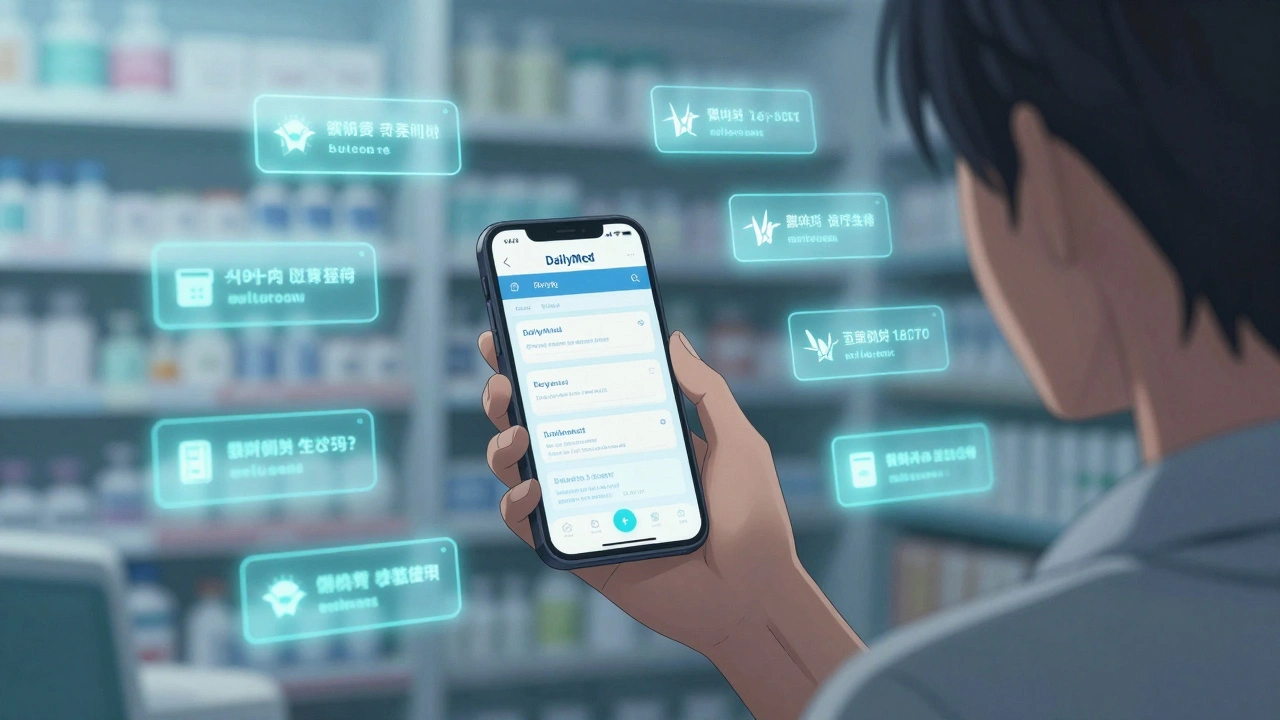
Use DailyMed for Easy Access to FDA Labels
If the FDA site feels clunky, use DailyMed. It’s run by the National Library of Medicine and pulls the exact same FDA labels but in a cleaner, easier-to-read format. No login. No paywall. Just plain text and clear sections.
DailyMed organizes each drug label with headings like Indications and Usage, Warnings, and Adverse Reactions. You can download the full label as a PDF or view it online. It’s the go-to for pharmacists, nurses, and doctors who need quick access without digging through government portals.
Pro tip: Always check the “Revision Date” at the top of the page. If it’s more than a year old, the label might not include recent safety updates. The FDA updates labels frequently-especially after new post-market reports come in.
Get Patient-Friendly Info from MedlinePlus
Not everyone wants to read a 30-page drug label. That’s where MedlinePlus comes in. Also run by the National Library of Medicine, it translates FDA label data into plain English. It’s trusted by over 87% of patients in a 2023 survey for being easy to understand.
Search for your drug on medlineplus.gov/druginformation.html. You’ll get a summary of common side effects, what to do if you experience them, and even interactions with food or other meds. It doesn’t have every rare side effect-but it tells you what matters most in everyday life.
It’s perfect if you’re a patient, caregiver, or someone helping an older relative. No jargon. No charts. Just clear, calm explanations.
Look Beyond the Label with OnSIDES
What if a side effect wasn’t found in clinical trials? That’s where OnSIDES steps in. Launched in 2023 by Columbia University’s nSIDES team, this database pulls data from over 46,000 FDA-approved drug labels and uses AI to find side effects that were mentioned but not highlighted in official summaries.
OnSIDES has over 3.6 million drug-side effect pairs-more than seven times what’s listed on standard labels. It includes off-label effects, rare reactions, and even effects seen in older adults or children that weren’t studied in the original trials.
It’s not for casual users. You need to go to nslides.io and search by drug name. The results show you both the “on-label” side effects (what’s on the FDA label) and the “off-label” ones (what’s been reported elsewhere). It’s a game-changer for researchers, pharmacists, and anyone managing complex medication regimens.
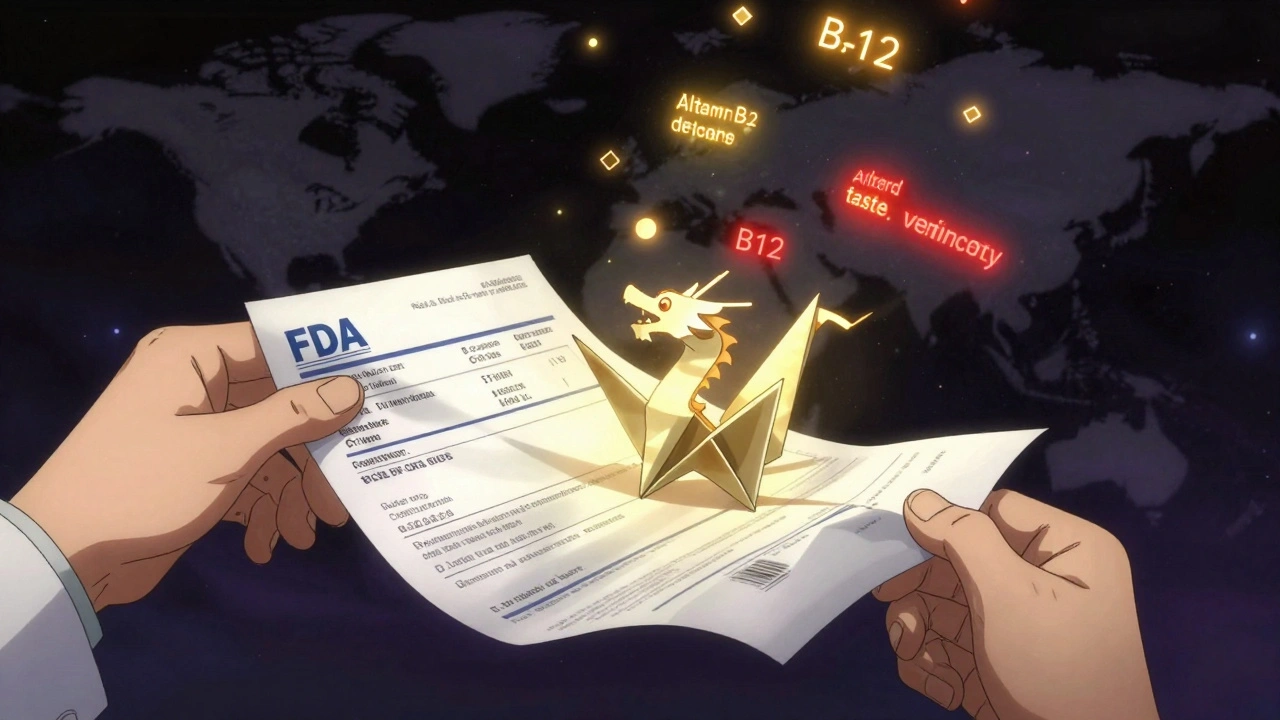
One example: The drug metformin is known for stomach upset. OnSIDES reveals over 120 other possible side effects-including vitamin B12 deficiency, altered taste, and rare skin reactions-that most patients never hear about.
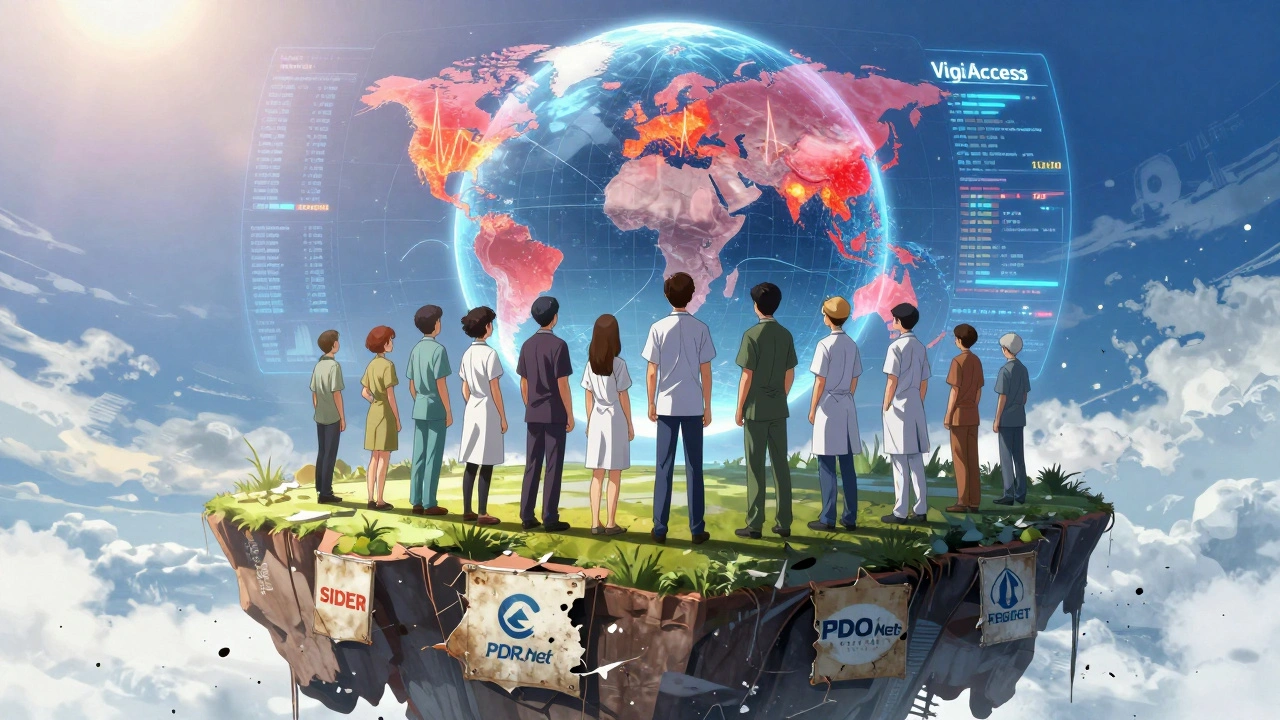
Check Global Reports with VigiAccess
What happens when a drug is used by millions around the world? Side effects show up that never appeared in U.S. trials. That’s where VigiAccess comes from the World Health Organization’s global safety database, VigiBase.
As of January 2024, VigiAccess holds over 35 million individual case reports from 130 countries. You can search for any drug and see how many times specific side effects were reported globally. For example, if you’re concerned about a rare heart rhythm issue with a new antidepressant, you can see if it’s been reported in Sweden, Japan, or Brazil.
Here’s the catch: it doesn’t tell you how common it is. If 287 people reported nausea out of 10 million users, that’s very rare. But if only 100 people used the drug and 287 reported nausea-that’s a red flag. VigiAccess gives you numbers, but you need context to interpret them.
Still, it’s the only place to see how a drug behaves in real-world populations across cultures, ages, and health conditions. It’s especially useful if you’re taking a drug that’s new to the U.S. market but has been used elsewhere for years.
Avoid Outdated or Biased Sources
Not all side effect databases are created equal. Some are outdated. Others have conflicts of interest.
SIDER used to be a popular free database with structured side effect data. But its developers stopped updating it in 2015. The website itself says: “The data in SIDER is from 2015 and therefore out of date!” Don’t use it for anything important.
PDR.Net (Physician’s Desk Reference) is a paid service that’s been around since 1947. It’s used by some doctors, but it’s expensive ($50/year), and the American Medical Association has warned it may reflect industry bias. It’s not transparent about how it selects which side effects to include.
And don’t rely on random websites or forums-even if they look professional. Reddit threads, health blogs, and YouTube videos can be helpful for personal stories, but they’re not evidence-based. Use them to ask questions, not to make decisions.
What to Do When You Find a Side Effect
Let’s say you find a side effect you’re worried about. What now?
- Check if it’s common or rare. OnSIDES and DailyMed will often say “common,” “uncommon,” or “rare.”
- See if it’s listed in multiple sources. If it’s only on one site, it might be an outlier.
- Don’t stop your medication without talking to your doctor. Some side effects fade after a few weeks.
- Report it. If you experience something new or serious, report it to the FDA through MedWatch. Even one report helps build the safety picture.
Side effects aren’t always dangerous. But they’re always worth understanding. The goal isn’t to scare you-it’s to help you take control.
What’s Next for Side Effect Tracking?
The FDA is moving toward digital labeling by 2026, which will make searching and comparing drugs easier. AI tools like OnSIDES are getting smarter. Soon, systems may predict your personal risk based on your age, genetics, and other meds you take.
But for now, the best approach is simple: start with FDA labels via DailyMed or FDALabel. Use MedlinePlus for plain-language summaries. Turn to OnSIDES if you’re managing multiple drugs or have complex health needs. Use VigiAccess if you’re curious about global patterns. And always talk to your pharmacist or doctor when something feels off.
Medications save lives. But they come with risks. Knowing where to find the truth makes those risks manageable-and your health safer.
Can I trust side effect information from my pharmacy’s website?
Most pharmacy websites pull data from FDA labels or DailyMed, so they’re usually reliable. But they often simplify or omit rare side effects to avoid scaring patients. Always cross-check with DailyMed or MedlinePlus if you’re unsure. Your pharmacist can also pull up the full FDA label for you-just ask.
Why don’t drug labels list every possible side effect?
Clinical trials involve only a few thousand people over months or years. Rare side effects-like those affecting 1 in 10,000 people-often don’t show up until millions are using the drug. That’s why post-market surveillance tools like VigiAccess and OnSIDES are so important. Labels reflect what’s known at approval, not everything that might happen later.
Is there a free app that gives me side effect info?
Yes. The MedlinePlus app (free on iOS and Android) gives you plain-language side effect info pulled directly from the National Library of Medicine. For deeper data, OnSIDES has a web interface but no app yet. Avoid paid apps that claim to have “exclusive” data-they’re usually repackaging free FDA info.
How often are drug labels updated?
The FDA updates labels as new safety data comes in-sometimes within weeks of a serious report. Between 2018 and 2023, over 20% of drug labels were revised due to new side effect findings. Always check the revision date on DailyMed. If it’s more than a year old, it’s worth double-checking.
What should I do if I experience a side effect not listed anywhere?
Report it. Go to the FDA’s MedWatch portal (fda.gov/safety/medwatch) and file a report. Even if it’s rare or unusual, your report helps build the safety database. You can also tell your doctor, who can file one too. Every report counts-especially for drugs used by older adults or people with multiple conditions.




Comments
Michael Gardner
December 11, 2025 AT 20:47Everyone’s acting like the FDA label is some holy grail, but let’s be real-most of these side effects are buried in legalese and only include the ones that showed up in trials with 500 people over 6 months. Real-world use? That’s where the chaos begins. I’ve seen people on meds for years with side effects no one ever mentioned. The system’s broken.
Willie Onst
December 11, 2025 AT 21:58Man, this post is a godsend. I’ve been Googling side effects for my dad’s blood pressure med for weeks and kept hitting paywalls or sketchy blogs. DailyMed was a game-changer-clean, free, no ads. And MedlinePlus? My 72-year-old mom actually understood it. That’s rare. Thanks for cutting through the noise.
Ronan Lansbury
December 13, 2025 AT 01:24Of course the FDA and NLM are ‘trustworthy.’ They’re just the public face of the pharmaceutical lobby. OnSIDES? Columbia University? That’s funded by Big Pharma too. And VigiAccess? A global database? Please. The WHO is just a PR arm for the UN. They’re all part of the same system hiding the truth. The real side effects? They’re the ones they don’t even *name*.
Jennifer Taylor
December 15, 2025 AT 00:05OKAY BUT WHAT IF THE SIDE EFFECT IS YOUR SOUL BEING EATEN BY THE MEDS?? I took sertraline for 3 months and felt like a zombie who forgot how to laugh. The label said 'mild nausea'-NOT 'you will stare at the wall for 4 hours wondering if your cat hates you.' I cried in the Target parking lot. Someone please tell me I’m not alone??
Jade Hovet
December 16, 2025 AT 16:47YESSSSS this is so helpful!! 🙌 I just started metformin and was terrified of the side effects-now I know about the B12 thing and got tested! 🎉 Also, the MedlinePlus app is literally my new bestie 📱💖 Thanks for making this so easy!! 😘
nithin Kuntumadugu
December 17, 2025 AT 15:02lol u think FDA is legit? they let 5000+ drugs through that got pulled later. OnSIDES? sounds like another startup trying to sell u data. I use Google Translate to read the original German trial papers. That’s the truth. US pharma is a joke. 😒
John Fred
December 18, 2025 AT 23:45As a clinical pharmacist, I can confirm: DailyMed is the gold standard. If you’re managing polypharmacy, OnSIDES is your new BFF. The AI-driven off-label correlations? Game-changing. I use it daily to catch interactions my EHR misses. Just make sure you cross-reference with VigiAccess for global signals. This isn’t just info-it’s risk mitigation.
Harriet Wollaston
December 19, 2025 AT 07:34This is exactly the kind of clear, thoughtful info we need more of. So many people panic when they see a long list of side effects, but understanding context-how common, how serious, what to do-makes all the difference. You didn’t just list sources, you gave people a way to breathe. Thank you.
sharon soila
December 20, 2025 AT 22:01Knowledge is power. And power, in this context, is the ability to ask informed questions. This post empowers patients to move from passive recipients to active participants in their care. The resources you’ve outlined are not just tools-they are acts of liberation from medical paternalism. Well done.
nina nakamura
December 22, 2025 AT 14:40Why are you even writing this? Everyone knows you should just read the original clinical trial protocols. The FDA labels are sanitized. DailyMed is just a wrapper. MedlinePlus is for children. OnSIDES? Still proprietary. VigiAccess? Unverified data. You’re not helping. You’re distracting. Go read the PubMed Central PDFs. Stop trusting intermediaries.
Hamza Laassili
December 23, 2025 AT 04:40USA only? What about the rest of the world?? We got better meds here! FDA is slow, corrupt, and lazy. In Germany, they tell you EVERYTHING-like how your liver might turn to jelly. You Americans need to wake up. Stop trusting your government. Go to EMA. EMA is REAL. FDA? Nah.
Constantine Vigderman
December 24, 2025 AT 21:40OMG I JUST FOUND OUT MY ANTI-DEPRES IS LINKED TO TINNITUS?? 😱 I thought it was just stress! I’m going to check OnSIDES right now. Also-can someone explain how VigiAccess works? I’m confused about the 287 vs 10M thing. Help?? 🙏
Cole Newman
December 26, 2025 AT 04:43Everyone’s acting like this is new info. Nah. Pharmacists have been using DailyMed since 2010. MedlinePlus? Been around since Clinton. You just didn’t know where to look. Stop making it sound like you’re a hero for linking to free government sites. It’s not groundbreaking. It’s basic.
Keasha Trawick
December 27, 2025 AT 19:27Let’s be real-the entire pharmaceutical industrial complex is built on obfuscation. The FDA labels? Designed to be unreadable. The side effects? Buried under ‘very rare’ and ‘in clinical trials.’ But here’s the kicker: they *know* what’s coming. They have predictive algorithms. They just wait for enough people to die before they update the label. OnSIDES? It’s not just data-it’s a rebellion.