Activity Changes Drug Side Effects: How Your Daily Routine Affects Medication Safety
When you take a medication, your body doesn’t just react to the drug—it reacts to activity changes drug side effects, how your daily habits like exercise, sleep, and diet alter how medicines work in your system. Also known as lifestyle-drug interactions, this isn’t just theory—it’s why some people get dizzy on blood pressure pills after a walk, or why others bleed easily after starting an antibiotic while drinking coffee. Your body’s rhythm, what you eat, how much you move, and even your sleep schedule can turn a safe drug into a risky one.
This isn’t about taking meds perfectly—it’s about how your real life changes how they work. For example, physical activity, the amount and type of movement you do daily. Also known as exercise intensity, it can lower blood pressure, which means if you’re on a beta-blocker or a calcium channel blocker like Calan, too much sudden activity might drop your pressure too far. That’s why insulin users on beta-blockers often miss warning signs of low blood sugar—they don’t feel their heart race, because the drug blocks it, and exercise masks the shake or sweat. Dietary habits, what you eat and drink, especially caffeine, alcohol, and grapefruit. Also known as food-drug interactions, it can make antidepressants less effective or cause dangerous spikes in INR when you eat leafy greens while on warfarin. Even something as simple as skipping meals can change how your body absorbs meds, leading to side effects you didn’t expect.
And it’s not just about what you do—it’s about what you’re doing when you take the pill. Taking a photosensitivity-causing drug like trimethoprim-sulfamethoxazole before a sunny hike? You could get a severe burn. Drinking an energy drink with Adderall? That combo can spike your heart rate past safe limits. These aren’t rare cases—they show up in real patient stories, like someone getting C. diff after clindamycin because they were traveling and eating out more, or someone with thyroid meds feeling shaky because they started a new workout routine that changed their metabolism. Medication safety, the practice of using drugs in a way that minimizes harm based on your lifestyle and health habits. Also known as personalized drug use, it means knowing your own patterns and how they clash with your prescriptions.
You don’t need to stop living to stay safe. You need to connect the dots between your habits and your meds. That’s why the posts here don’t just list side effects—they show you how daily life turns them into real risks. From how lab monitoring calendars help track hidden changes to why storing your prescription leaflets matters when you start a new workout plan, every article here is built around real behavior, not just clinical facts. You’ll find guides on spotting early warning signs, understanding FDA alerts when your meds get new safety notes, and even how to test for allergies you didn’t know you had. This isn’t about following rules—it’s about understanding how your body responds when your life changes. And that’s the only way to take your meds without surprise.
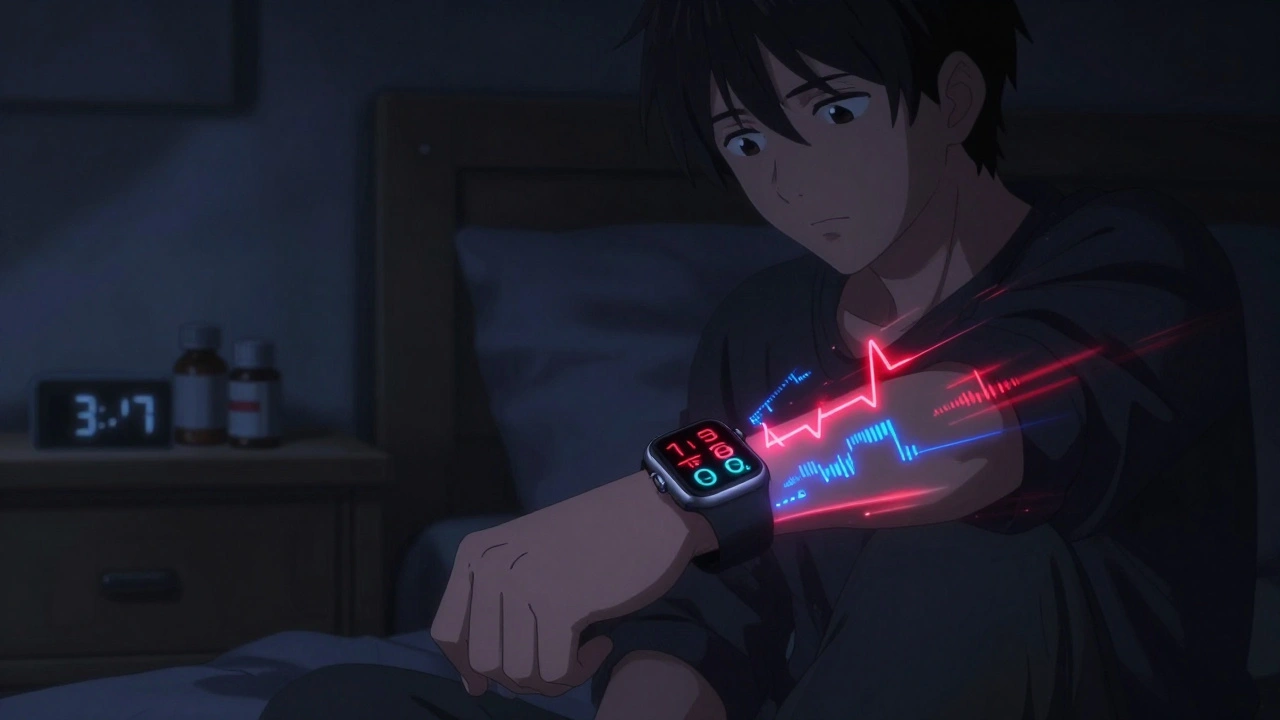
Using Wearables to Track Side Effects: Heart Rate, Sleep, and Activity
Wearables like Apple Watch and Fitbit can track subtle changes in heart rate, sleep, and activity that signal medication side effects. Learn how to use them safely, what devices work best, and how to avoid false alarms.