Antidepressants in Pregnancy: Safety, Risks, and What Really Matters
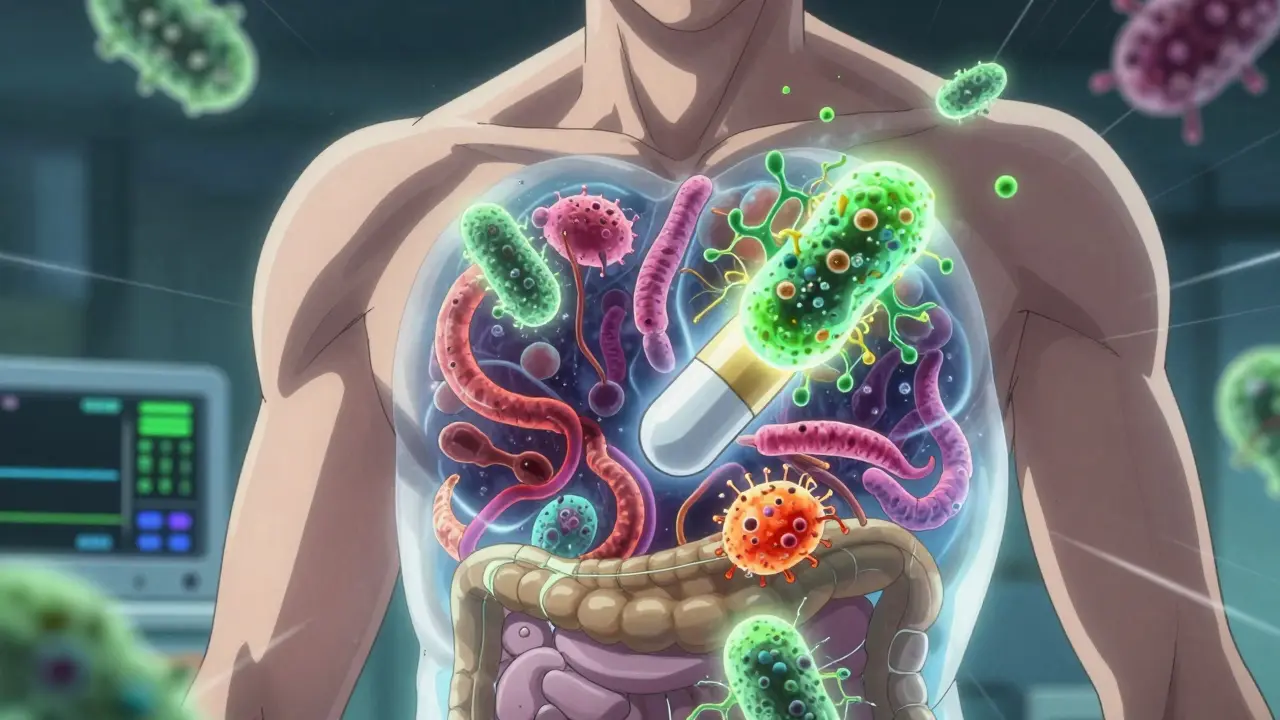
When you’re pregnant and struggling with depression, the question isn’t just antidepressants in pregnancy, medications used to treat depression during gestation, often including SSRIs like sertraline and citalopram. Also known as prenatal antidepressants, they’re not a simple yes-or-no choice. It’s about weighing two real risks: the impact of depression on you and your baby, versus the potential effects of the medicine. Many women hear scary stories—birth defects, developmental delays, withdrawal in newborns—but the data tells a different story. For most people, the risks from untreated depression are higher than the risks from taking the right antidepressant.
The SSRI safety, the body of evidence evaluating selective serotonin reuptake inhibitors during pregnancy has grown a lot in the last decade. Sertraline, in particular, is now the go-to choice for doctors because it’s been studied more than any other. It doesn’t raise the risk of major birth defects, doesn’t cause long-term learning problems, and isn’t linked to persistent pulmonary hypertension in newborns (PPHN) the way some older studies feared. Other SSRIs like fluoxetine and citalopram are also considered low-risk, but sertraline has the cleanest track record. The key isn’t avoiding medication—it’s choosing the right one. And if you’re on an antidepressant already, stopping suddenly can be more dangerous than staying on it. Mood crashes, panic attacks, and even suicidal thoughts can spike when you quit cold turkey, especially during pregnancy.
Then there’s the pregnancy and depression, the complex relationship between maternal mental health and fetal development. Depression isn’t just feeling sad. It’s not sleeping, not eating, not bonding, not going to prenatal visits. It raises your chances of preterm birth, low birth weight, and even postpartum depression that lasts for months or years. Babies born to moms with untreated depression are more likely to be irritable, have trouble sleeping, and struggle with emotional regulation later on. That’s not speculation—it’s what studies tracking thousands of mothers and children have shown. So when someone says, "Just try therapy," it’s not that simple. Therapy helps, but not everyone responds to it fast enough—or at all—especially with severe depression.
You don’t need to choose between being a good mom and being a healthy one. The goal isn’t to be perfectly medication-free—it’s to be mentally stable, physically safe, and emotionally present. That’s why doctors now recommend starting with the lowest effective dose of the safest option, like sertraline, and monitoring closely. Blood levels, mood logs, and regular check-ins matter more than fear. And if you’re worried about side effects, you’re not alone. Many moms feel guilty, scared, or judged. But the truth is, taking care of your mental health is part of taking care of your baby.
Below, you’ll find real, no-fluff insights from women who’ve been there, studies that actually matter, and clear breakdowns of what works, what doesn’t, and what to ask your doctor next. No myths. No scare tactics. Just what you need to make a smart, informed choice—for you and your baby.
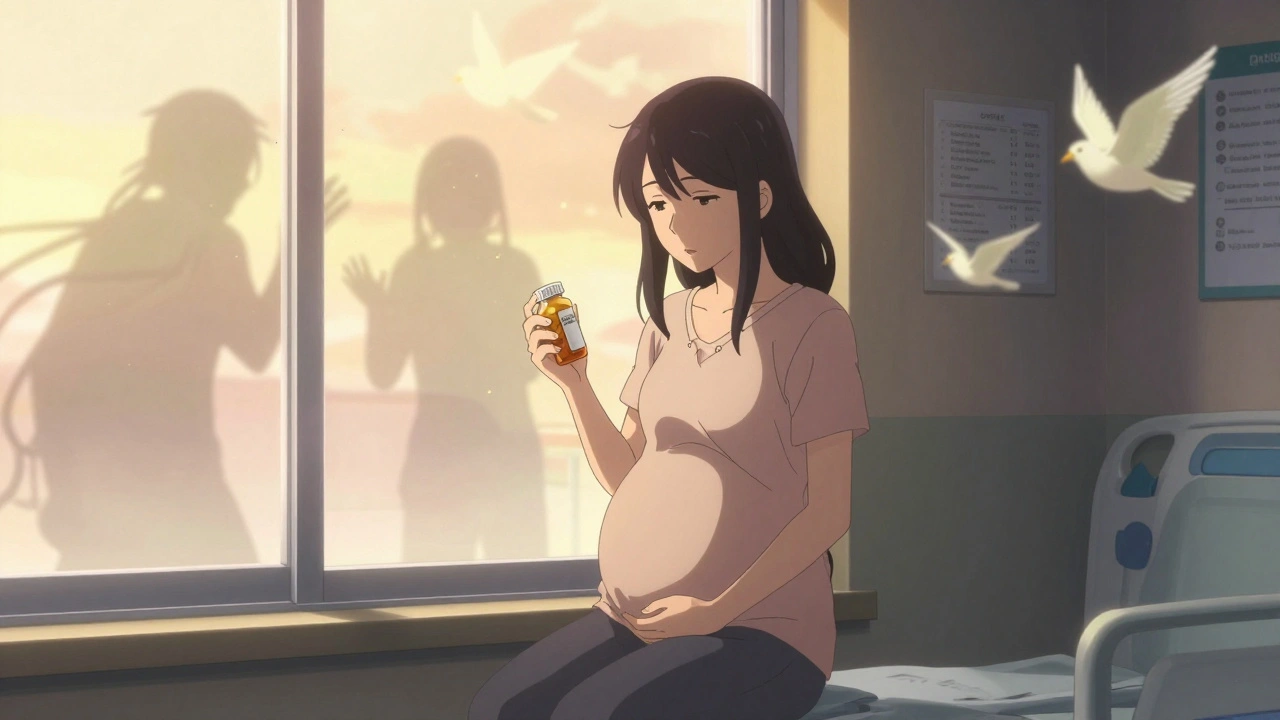
Antidepressant Use in Pregnancy: What You Need to Know About Side Effects and Safety
Antidepressants during pregnancy are safer than once thought. Sertraline and citalopram are the best-studied options with minimal risks. Untreated depression poses greater dangers to mother and baby than medication.