Generic Drug Prices: What You Really Pay and How to Save
When you hear generic drug prices, the cost of medications that contain the same active ingredients as brand-name drugs but are sold without a brand label. Also known as generic medications, they are the backbone of affordable healthcare in the U.S. and around the world. Most people don’t realize that a generic version of a drug can cost 80-85% less than the brand-name version—sometimes as little as $5 for a 30-day supply. Yet, many still pay full price because they’re confused, scared, or just don’t know where to look.
Generic drugs, medications approved by the FDA as bioequivalent to brand-name drugs. Also known as generic medications, they must meet the same strict standards for strength, purity, and performance. The FDA doesn’t require new clinical trials for generics—instead, they prove they work the same way in the body. That’s why they’re cheaper: no marketing, no patent protection, no fancy packaging. But here’s the catch—not all pharmacies source the same generics. Some import from countries with looser oversight. Others charge more because they don’t compete on price. You might pay $12 for a generic at one pharmacy and $3 at another, even for the same pill.
Brand-name medications, drugs developed and marketed by pharmaceutical companies under a patent. Also known as originator drugs, they’re expensive because companies recoup R&D costs and make profits during their patent window. Once that patent expires, generics flood the market. But not everyone switches. Some doctors still prescribe brand names out of habit. Some patients think generics are weaker—despite studies showing no difference in effectiveness for over 90% of drugs. The real issue? Insurance formularies. Some plans make you pay more for generics if they’re not on their preferred list. Others don’t cover certain generics at all.
FDA generic approval, the process that ensures generic drugs are as safe and effective as their brand-name counterparts. Also known as ANDA pathway, it’s the legal gateway that lets companies sell cheaper versions without repeating expensive clinical trials. This isn’t a loophole—it’s a system designed to save money. The FDA tests every generic for dissolution rate, active ingredient amount, and how the body absorbs it. If it doesn’t match the brand within strict limits, it gets rejected. So when you see an FDA-approved generic, you’re getting the same medicine, just without the brand name.
What drives generic drug prices? Supply, competition, and where you buy them. A single generic can have 20 manufacturers. When they all compete, prices drop. But if one company stops making it—or if there’s a shortage—prices spike overnight. That’s why some generics cost $50 one month and $5 the next. And if you’re buying online, you need to know which pharmacies are legitimate. Scams are everywhere. So are price-gouging pharmacies that charge more than the brand.
Don’t assume your prescription is expensive because it has to be. You’re not powerless. You can ask for generics. You can compare prices across pharmacies. You can use mail-order services or discount cards. You can even check if your drug is on the FDA’s list of approved generics. The system works—if you know how to use it.
Below, you’ll find real stories and practical guides on how to save money without risking your health. From how to spot fake online pharmacies to why your insurance might be overcharging you, these posts cut through the noise. No fluff. No sales pitches. Just what you need to pay less and stay safe.
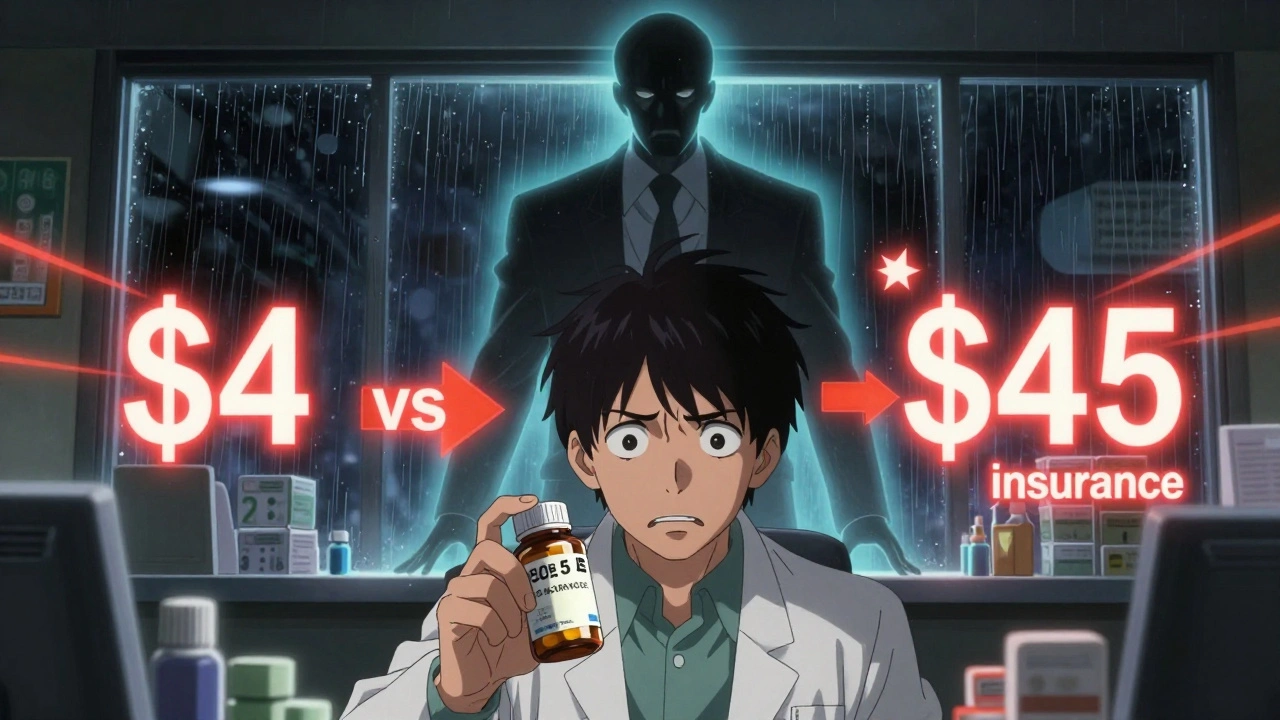
How Insurer-Pharmacy Negotiations Set Generic Drug Prices
Generic drugs are supposed to be cheap-but insurance often makes them cost more than cash. Learn how PBMs secretly set prices, why your copay doesn't match reality, and what you can do to pay less today.