Heart Rate Monitoring: What It Tells You and When It Matters
When you check your heart rate monitoring, the process of measuring how many times your heart beats per minute to assess cardiovascular function. It's not just for athletes or seniors—it's a simple tool that can reveal hidden dangers from medications, stress, or underlying health issues. A sudden spike or drop in your pulse isn’t always just from caffeine or a workout. It could be your body reacting to a drug interaction you didn’t know about.
Take stimulant medications, drugs like Adderall or Ritalin used for ADHD that increase nervous system activity. When mixed with energy drinks or even strong coffee, they can push your heart rate into dangerous territory, raising the risk of arrhythmias or even heart attacks. That’s why blood pressure, the force of blood pushing against artery walls, often measured alongside heart rate checks matter just as much. High blood pressure and fast heart rate together are a red flag—especially if you’re on beta-blockers, which can hide low blood sugar symptoms in diabetics. This is where heart rate variability, the natural change in time between heartbeats, used to assess stress and autonomic nervous system health comes in. It’s not just about how fast your heart beats, but how consistently it responds. Low variability can signal chronic stress, inflammation, or even early signs of heart disease.
Many people don’t realize their medication could be quietly messing with their pulse. Warfarin users on antibiotics like Bactrim might not feel anything unusual—but their INR could be spiking, and their heart might be under silent strain. Same with thyroid meds: too much levothyroxine can make your heart race without you noticing until it’s too late. That’s why tracking your heart rate over time, especially when starting or changing meds, gives you real data—not guesses. It’s not about obsessing over numbers every minute. It’s about knowing what’s normal for you, spotting trends, and acting when something’s off.
You’ll find posts here that connect heart rate monitoring to real-world risks: how energy drinks and ADHD meds collide, why beta-blockers can mask low blood sugar, and how certain antibiotics affect not just your INR but your heart rhythm too. These aren’t theoretical concerns. People have ended up in the ER because they didn’t know their pulse was a warning sign. The tools are simple—a wrist monitor, a phone app, even counting your pulse manually. But the insights? They’re life-changing.
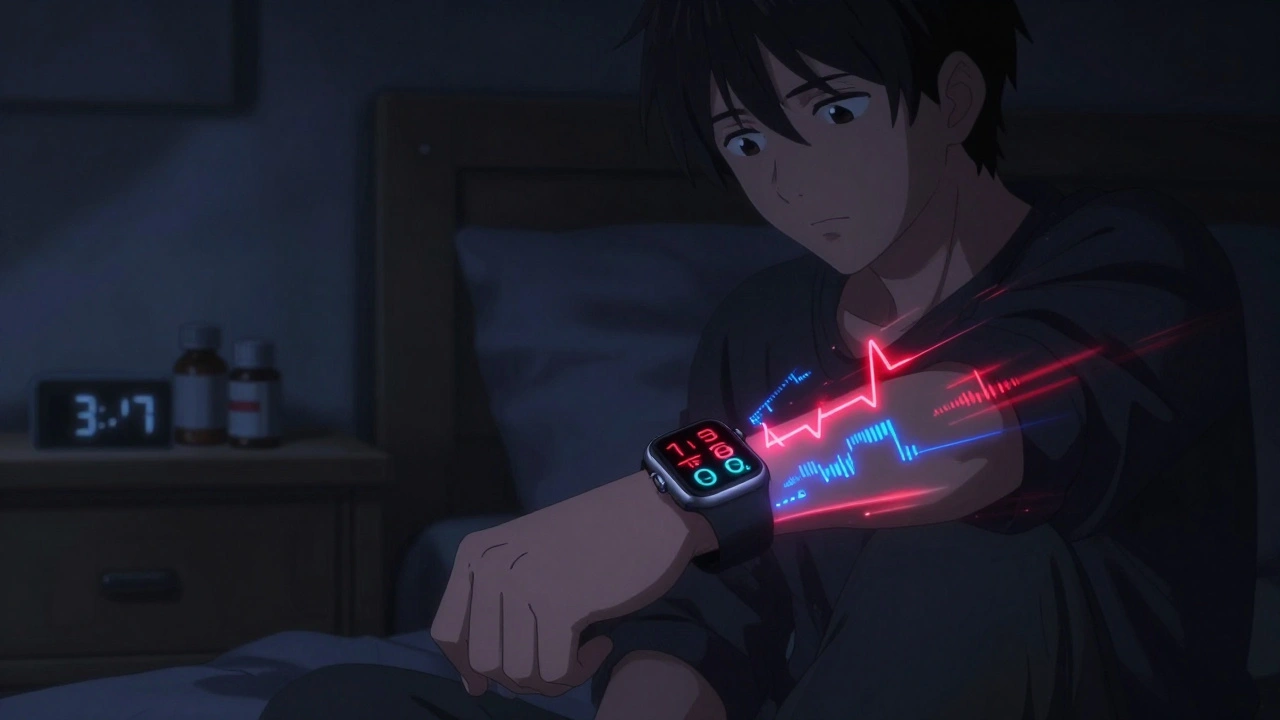
Using Wearables to Track Side Effects: Heart Rate, Sleep, and Activity
Wearables like Apple Watch and Fitbit can track subtle changes in heart rate, sleep, and activity that signal medication side effects. Learn how to use them safely, what devices work best, and how to avoid false alarms.