PBM Negotiations: How Pharmacy Benefit Managers Control Your Drug Costs
When you pick up a prescription, the price you see isn’t set by your doctor, pharmacist, or even the drug maker—it’s shaped by PBM negotiations, the behind-the-scenes deals between Pharmacy Benefit Managers and drug companies that decide which medications are covered and at what cost. Also known as pharmacy benefit managers, PBMs act as middlemen between insurers, pharmacies, and manufacturers, and their decisions directly impact whether you can afford your meds. These companies don’t just process claims—they negotiate rebates, create formularies, and decide which drugs get priority. And what they choose to cover—or not—can mean the difference between paying $10 or $500 for the same pill.
PBM negotiations are tied to drug pricing, the complex system where list prices rise while rebates and discounts flow back to PBMs, not patients. A drug might be listed at $1,000, but if the PBM gets a $700 rebate from the maker, the final price you pay might still be high because the discount doesn’t always reach you. This is why generic drugs like generic drugs often cost less—they bypass some of these layers. But even generics can be locked out if PBMs favor certain brands in exchange for bigger kickbacks. It’s not about what’s best for you—it’s about what’s most profitable for the middleman.
These negotiations also affect medication access, how easily you can get the drugs your doctor prescribes. If your PBM puts a drug on a higher tier or requires prior authorization, you might wait weeks or pay more—even if it’s the only one that works. That’s why stories about insulin, cancer meds, or mental health drugs being unaffordable aren’t just about greedy pharma companies. They’re about PBMs holding the keys to your prescription. And while some states are pushing for transparency, most patients still have no idea how these deals work—or how to fight them.
What you’ll find in the posts below isn’t just theory. It’s real-world advice from people who’ve navigated these systems: how to spot when a PBM is blocking your meds, how to use generic alternatives to save money, and how to challenge coverage denials. You’ll learn how drug interactions like those between statins and antifungals are affected by formulary rules, how to read FDA alerts that might change your access, and why your insurance might refuse a drug even if your doctor says it’s necessary. These aren’t abstract policies—they’re daily hurdles for millions. And understanding PBM negotiations is the first step to taking back control.
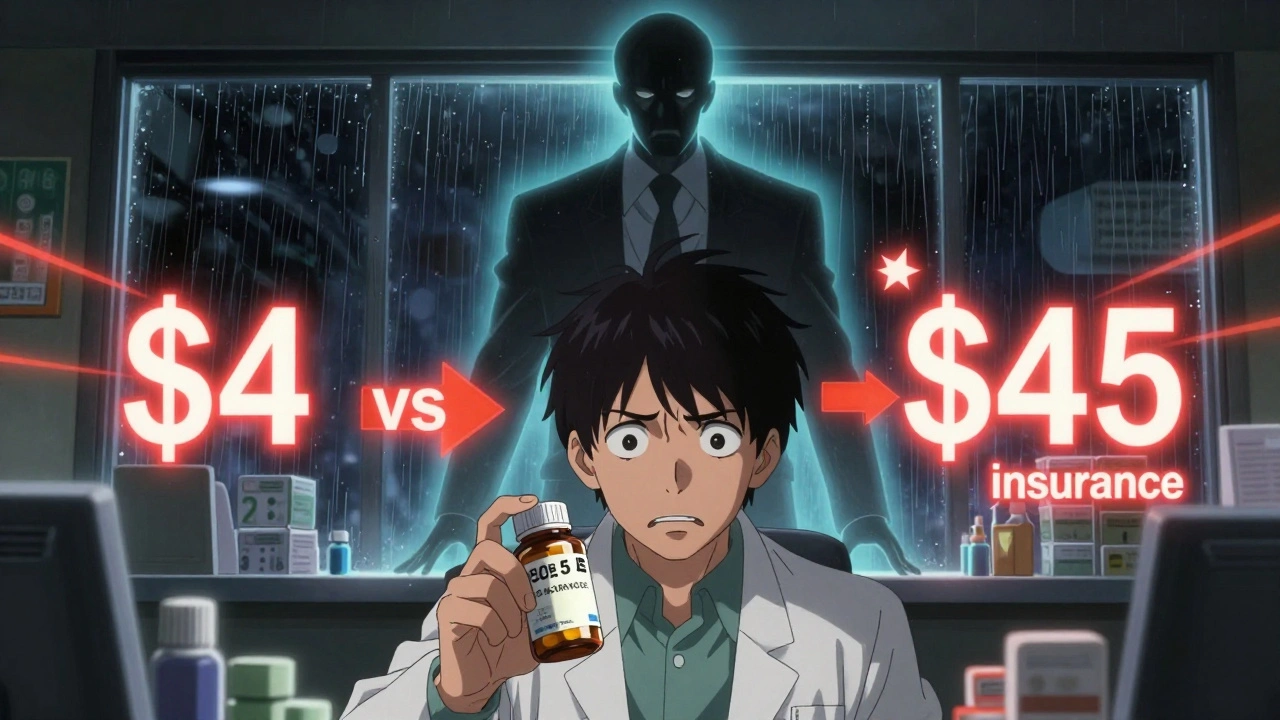
How Insurer-Pharmacy Negotiations Set Generic Drug Prices
Generic drugs are supposed to be cheap-but insurance often makes them cost more than cash. Learn how PBMs secretly set prices, why your copay doesn't match reality, and what you can do to pay less today.