Pharmacy Reimbursement: How to Get Paid for Your Medications
When you pick up a prescription, pharmacy reimbursement, the process by which insurance or government programs pay part or all of your drug costs. Also known as drug payment coverage, it’s what decides whether you pay $5, $50, or $500 for the same pill. Most people assume their insurance covers everything—but that’s rarely true. What you actually pay depends on your plan’s formulary, tier system, deductible, and whether your drug has a generic alternative. Even if your doctor prescribes a brand-name drug, your insurer might only reimburse you for the generic version—unless you jump through hoops to get an exception.
Insurance coverage, the portion of your medication cost paid by your health plan isn’t the same across plans. A Medicare Part D plan might cover your blood pressure pill at 80%, while your employer’s plan only covers 60%. Some plans require you to try cheaper drugs first—called step therapy—before they’ll pay for the one your doctor ordered. And if you’re on Medicaid or a high-deductible plan, you might hit a coverage gap where you pay full price until you hit a spending cap. That’s the infamous donut hole in Medicare Part D. It’s not a glitch—it’s how the system is built.
Prescription costs, the actual price you pay out of pocket after insurance pays its share vary wildly. Two people with the same drug, same insurance, same dose—can pay completely different amounts because one used a coupon, the other didn’t. Some pharmacies charge more than others for the same script. And some drugs, like insulin or newer cancer treatments, have no real generic, so reimbursement stays low no matter what. That’s why checking prices at multiple pharmacies—even before your insurance kicks in—is one of the smartest moves you can make.
Drug pricing, how manufacturers set the list price and how insurers negotiate discounts is opaque. That $1,000 pill you see on the shelf? The manufacturer might have listed it at $1,000, but your insurer paid $200 after a secret discount. You still pay based on the list price unless your plan uses the negotiated rate. That’s why you sometimes see ads saying "pay as low as $5"—they’re advertising the discounted rate, not the sticker price. And if you’re uninsured? You’re stuck with the full list price unless you use a patient assistance program.
What ties all this together is medication affordability, how easily you can access and pay for your drugs without financial hardship. It’s not just about cost—it’s about predictability. Can you count on your copay staying the same next month? Will your plan change its formulary next year? Are there alternatives that work just as well but cost less? These are the real questions behind pharmacy reimbursement. The system doesn’t make sense on its own, but when you know how the pieces fit, you can make smarter choices. The posts below show you exactly how to do that—from spotting hidden fees to switching to cheaper generics, from appealing denials to using coupons legally. You’re not stuck paying more because you don’t know better. Here’s how to fix it.
How Insurer-Pharmacy Negotiations Set Generic Drug Prices
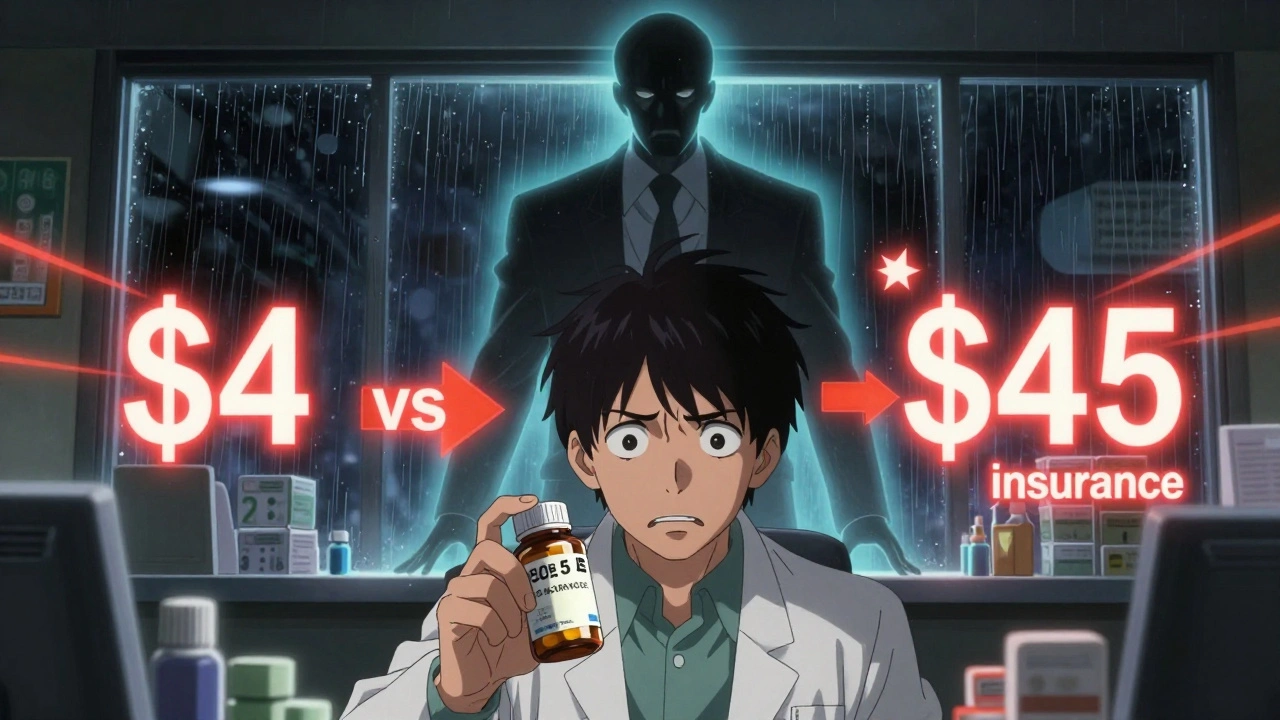
Generic drugs are supposed to be cheap-but insurance often makes them cost more than cash. Learn how PBMs secretly set prices, why your copay doesn't match reality, and what you can do to pay less today.