Rhabdomyolysis: Causes, Warning Signs, and Medication Risks
When muscle tissue breaks down too fast, it releases a dangerous protein called myoglobin into your bloodstream. This is rhabdomyolysis, a medical condition where damaged skeletal muscle breaks down and releases harmful substances into the blood. Also known as muscle breakdown, it can lead to kidney failure if not caught early. It doesn’t happen from normal soreness after a workout—it’s when your muscles start dying, often without you realizing it until it’s too late.
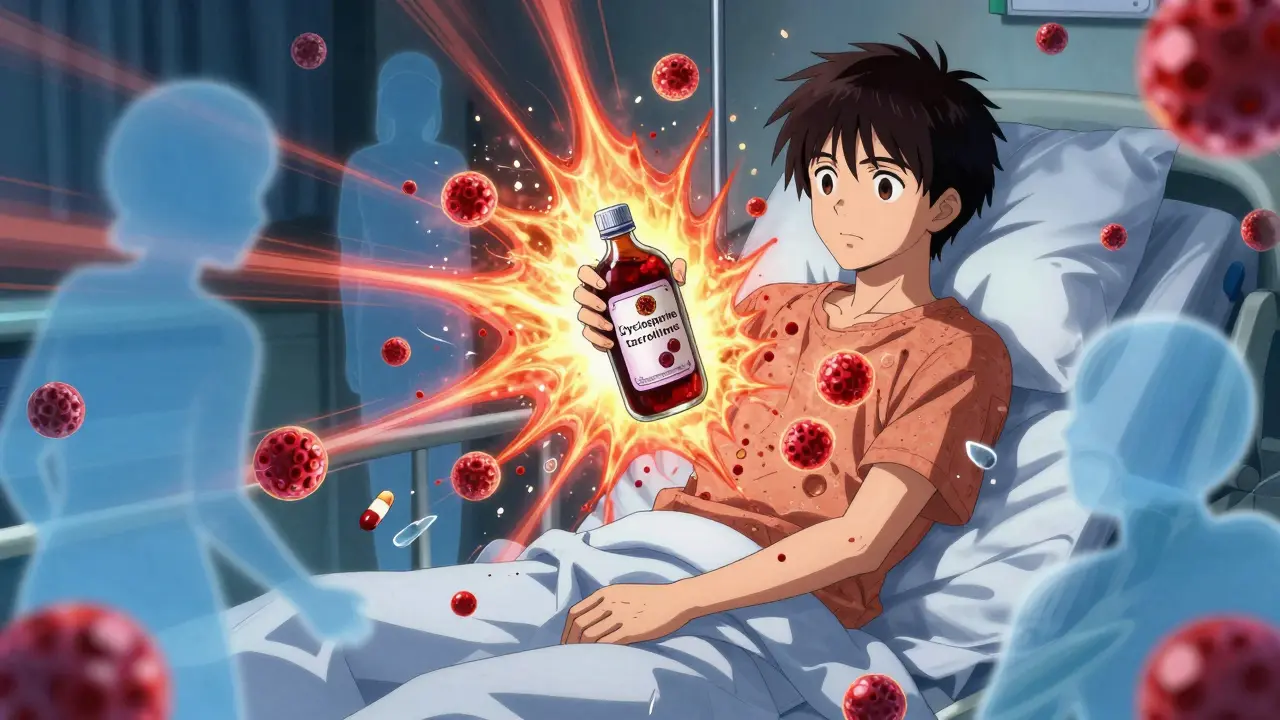
Rhabdomyolysis can be triggered by trauma, extreme heat, or intense exercise, but many cases come from medications. Drugs like statins, certain antibiotics, and even some antidepressants can quietly damage muscle cells over time. People on multiple prescriptions are especially at risk. For example, combining clindamycin, an antibiotic linked to severe muscle toxicity with a statin increases the chance of rhabdomyolysis. Even something as common as energy drinks, used by many to boost performance or focus alongside stimulant meds like Adderall can spike your heart rate and body temperature enough to trigger muscle damage.
You won’t always feel it coming. Early signs are subtle: unexplained muscle pain, weakness, or dark urine that looks like cola. These aren’t normal post-gym symptoms—they’re red flags. Your body sends signals through elevated creatine kinase, an enzyme released when muscle cells break apart, which doctors check through blood tests. If your levels are high and you’ve been on new meds or pushed yourself hard, it’s not something to wait out.
What makes rhabdomyolysis dangerous is how quickly it can lead to kidney damage, a life-threatening complication from myoglobin clogging the kidneys. The kidneys filter blood, and when overloaded with muscle debris, they shut down. This isn’t rare—it shows up in ERs every week, often tied to overlooked drug interactions or undiagnosed dehydration.
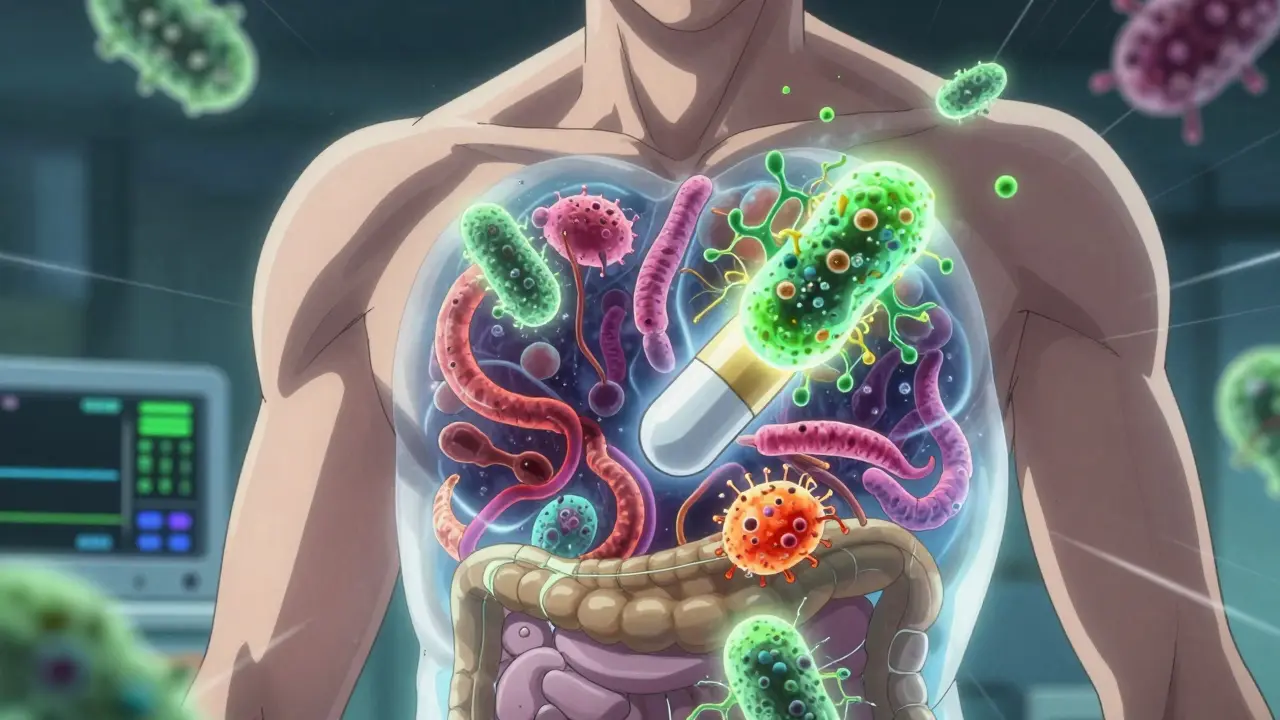
Some of the posts here cover exactly these risks: how antibiotics like clindamycin can wreck your gut and muscles, how stimulants and energy drinks push your heart and body past safe limits, and how to spot early signs of dangerous drug reactions. You’ll find real stories and clear warnings about what to watch for, especially if you’re on long-term meds or juggling multiple prescriptions. There’s no magic pill to prevent rhabdomyolysis, but knowing the triggers and listening to your body can save your kidneys—and maybe your life.
Statins and Antifungal Medications: What You Need to Know About Rhabdomyolysis Risk
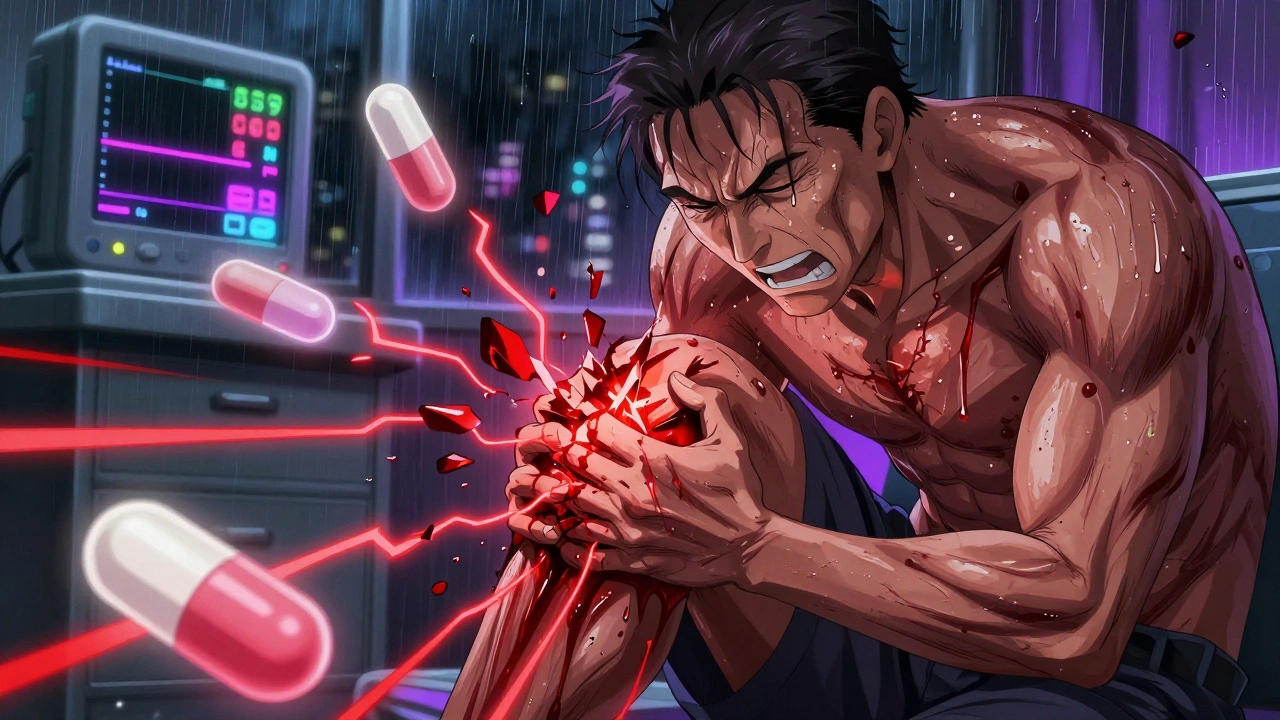
Statins and certain antifungals can dangerously interact, increasing the risk of rhabdomyolysis-a severe muscle breakdown. Learn which combinations are risky, what symptoms to watch for, and safer alternatives.