Sleep Tracking Medication: What Works, What to Avoid, and How to Stay Safe
When you're trying to improve your sleep, sleep tracking medication, any drug taken to influence sleep patterns, including sedatives, melatonin, or even antidepressants. Also known as sleep aids, it can help—but only if you know what it's really doing to your body. Many people think popping a pill is the fix, but the real problem often starts long before bedtime. Blue light from phones and tablets suppresses melatonin, the hormone that tells your brain it’s time to sleep. This isn’t just about being awake longer—it rewires your natural rhythm. And if you’re taking meds like beta-blockers or SSRIs, they can make it worse by masking your body’s natural sleep signals or causing restless nights.
Some medications don’t directly cause insomnia, but they quietly steal your deep sleep. Beta-blockers, for example, can hide the physical signs of low blood sugar, which might wake you up in the middle of the night without you realizing why. Antidepressants like sertraline, while safe for pregnancy, can delay REM sleep in some people. Even antibiotics like trimethoprim-sulfamethoxazole can mess with your gut bacteria, which directly affects your sleep-wake cycle. Your sleep isn’t just about how long you’re in bed—it’s about how well your body and brain are communicating. If you’re using a sleep tracker and seeing poor scores, the issue might not be stress or screen time—it could be something in your medicine cabinet.
Tracking your sleep isn’t just about counting hours. It’s about spotting patterns: Did your rest drop after starting a new pill? Did cutting out energy drinks help? Did switching to a generic version of your thyroid med cause night sweats? These aren’t random side effects—they’re clues. Medication misuse, like taking extra levothyroxine for energy, can trigger hyperthyroidism that keeps you wired at night. And if you’re combining stimulants like Adderall with caffeine-heavy drinks, you’re not just risking your heart—you’re sabotaging your sleep before it even starts.
What you need isn’t another app or a fancy wearable. You need to connect the dots between what you take, what you do before bed, and how you actually sleep. Some people fix their sleep by switching meds. Others just stop using screens two hours before bed. A few find relief by organizing their pill bottles and reading labels—because you can’t track side effects if you don’t know what you’re taking. The posts below show real cases: how a simple change in timing, a drug interaction, or even storing pills near cleaning supplies ruined someone’s rest—and how they got it back.
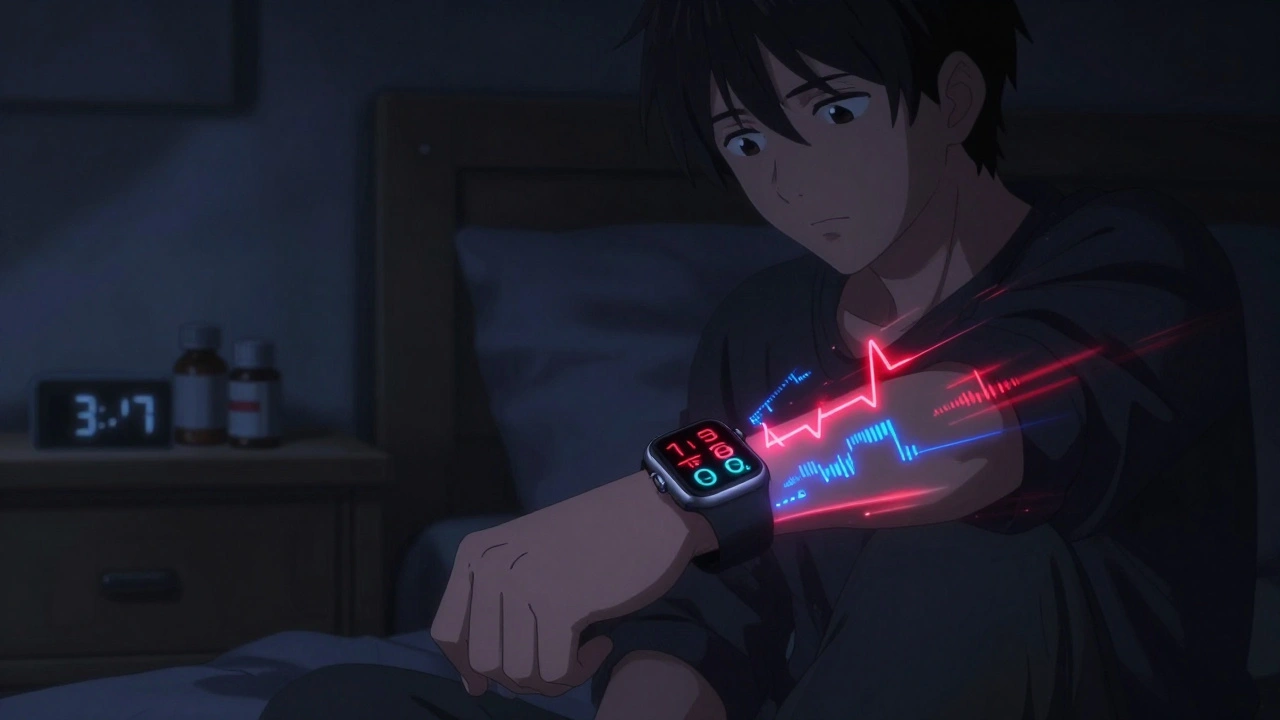
Using Wearables to Track Side Effects: Heart Rate, Sleep, and Activity
Wearables like Apple Watch and Fitbit can track subtle changes in heart rate, sleep, and activity that signal medication side effects. Learn how to use them safely, what devices work best, and how to avoid false alarms.