Spread Pricing: What It Is and How It Affects Your Medication Costs
When you pay for a prescription, you might think the price is set by the drug maker or your insurance. But in many cases, the real cost is shaped by something called spread pricing, the difference between what a pharmacy is paid by an insurer and what it actually pays the wholesaler for the drug. Also known as pharmacy markup, it’s a hidden part of how prescriptions are priced in the U.S. healthcare system. This isn’t a fee you’re told about—it’s buried in the fine print of your insurance plan or pharmacy benefit manager (PBM) contract. And it can make the same drug cost $10 one month and $50 the next, even if your co-pay stays the same.
Spread pricing directly connects to pharmacy pricing, the way retail and mail-order pharmacies set what they charge for medications. While some pharmacies charge a flat fee or use a transparent model, many rely on spread pricing to turn a profit—especially when dealing with Medicare Part D or private insurance plans. The result? You might pay more than the pharmacy actually paid for the drug. In some cases, the spread can be over 100%. That’s not just a business practice—it’s a financial gap that hits patients who are uninsured, underinsured, or on high-deductible plans.
This system also ties into medication markup, the added cost pharmacies apply to drugs beyond their acquisition price. Unlike generic drugs, where the cost is often predictable, brand-name or specialty medications can have wildly variable spreads. A drug that costs $20 to buy might be billed to your insurer at $150. Your insurance pays part of it, you pay your copay, and the rest? That’s the spread—the pharmacy’s profit. No transparency. No notice. And no way to compare prices unless you dig deep.
What does this mean for you? If you’re paying cash for a prescription, you might find the cash price is lower than your insurance copay—because the pharmacy is no longer collecting a spread from your insurer. That’s why tools like GoodRx exist: they show you the real wholesale cost, not the inflated price your plan allows. But most people never see this. They assume their insurance is saving them money, when in reality, it’s just shifting the cost around.
Spread pricing doesn’t just affect your wallet—it affects your health. When people can’t afford their meds because of hidden markups, they skip doses, split pills, or go without. That’s how rhabdomyolysis from statins, dangerous INR spikes from warfarin interactions, or hypoglycemia unawareness from insulin and beta-blockers become more common. Medication adherence drops. Health gets worse. Costs go up.
Understanding spread pricing isn’t about blaming pharmacies. Many small, independent pharmacies operate on razor-thin margins and use spread pricing just to stay open. The real issue lies with PBMs and insurance plans that hide the math and keep patients in the dark. But now that you know how it works, you can ask questions. You can check your cash price before filling a script. You can ask your pharmacist: "What did you pay for this?" and "Is there a lower-cost option?"
The posts below show you how to protect yourself from hidden drug costs, spot dangerous interactions, track side effects, and make smarter choices with your prescriptions. From generic vs. brand-name drugs to buying safe online meds and reading FDA alerts, these are the real-world tools that help you take control—not just of your health, but of what you pay for it.
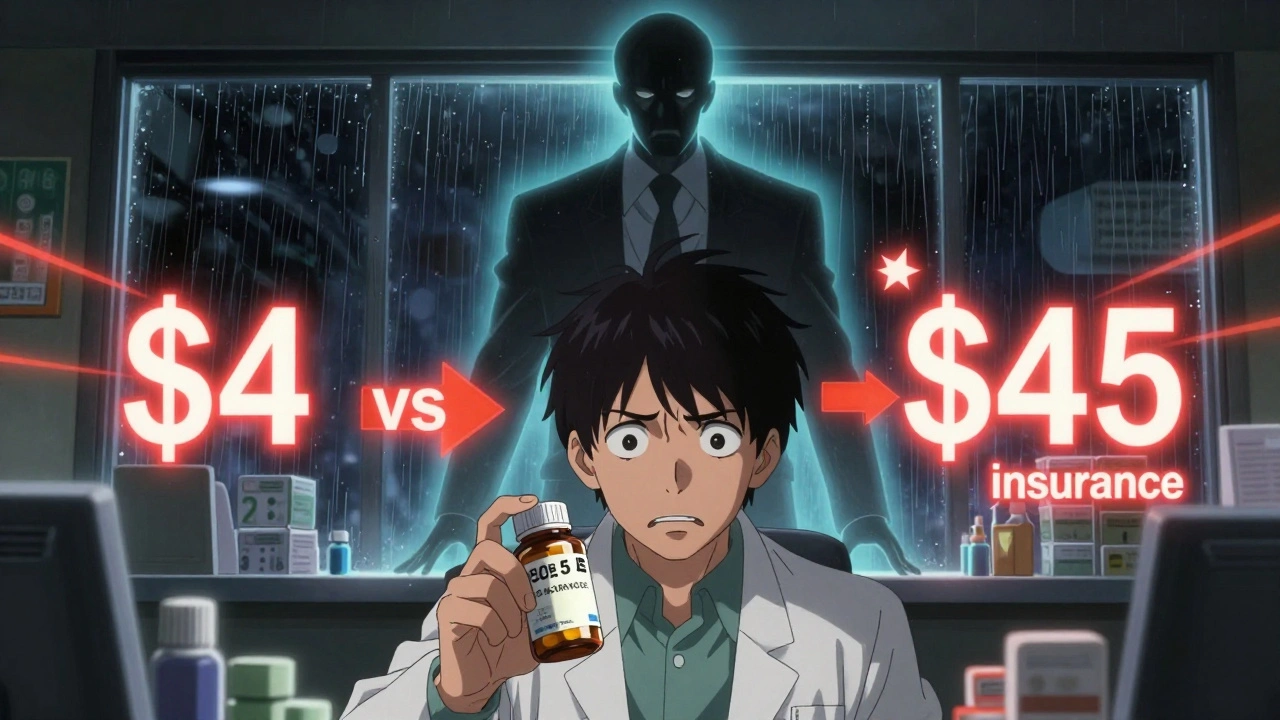
How Insurer-Pharmacy Negotiations Set Generic Drug Prices
Generic drugs are supposed to be cheap-but insurance often makes them cost more than cash. Learn how PBMs secretly set prices, why your copay doesn't match reality, and what you can do to pay less today.