
Wearable Health Tech: Devices That Track Your Body and Save Your Health
When you put on a wearable health tech, a device worn on the body that collects real-time health data like heart rate, sleep patterns, and activity levels. Also known as fitness trackers, it turns everyday accessories into personal health monitors. This isn’t science fiction—it’s what millions of people use daily to catch warning signs before they become emergencies.
Wearable health tech includes smartwatches, devices that combine timekeeping with medical-grade sensors for ECG, blood oxygen, and fall detection, and simpler tools like continuous glucose monitors, patches worn on the skin that track blood sugar without finger pricks. These aren’t just for athletes. People with diabetes, heart conditions, or sleep disorders rely on them to manage daily risks. A smartwatch that detects irregular heartbeat could flag atrial fibrillation before a stroke happens. A glucose monitor that alerts you to a drop in sugar might prevent a hospital visit.
What makes these tools powerful isn’t just the data—it’s how they connect to your life. If your device notices your heart rate spikes during sleep, you might realize you’re not sleeping well because of sleep apnea. If your step count drops for days, it could mean an undiagnosed infection or joint pain is slowing you down. These aren’t guesses. They’re signals your body sends, and wearable tech makes them impossible to ignore.
But it’s not all about numbers. The real value comes from action. A study from the American Heart Association found that people using wearable heart monitors were 40% more likely to seek care for abnormal rhythms than those who didn’t. That’s the difference between wondering if something’s wrong and knowing for sure. And with remote patient monitoring now covered by many insurance plans, these devices are becoming part of standard care—not just luxury gadgets.
What you’ll find in the posts below aren’t reviews of the latest gadgets. They’re real stories and science-backed guides on how these tools actually affect your health. From how a smartwatch can interfere with medication tracking, to why sleep data from your band might miss serious issues, to how remote monitoring changes doctor visits—you’ll see what works, what doesn’t, and what you should watch out for. No fluff. Just what matters for your body, your meds, and your safety.
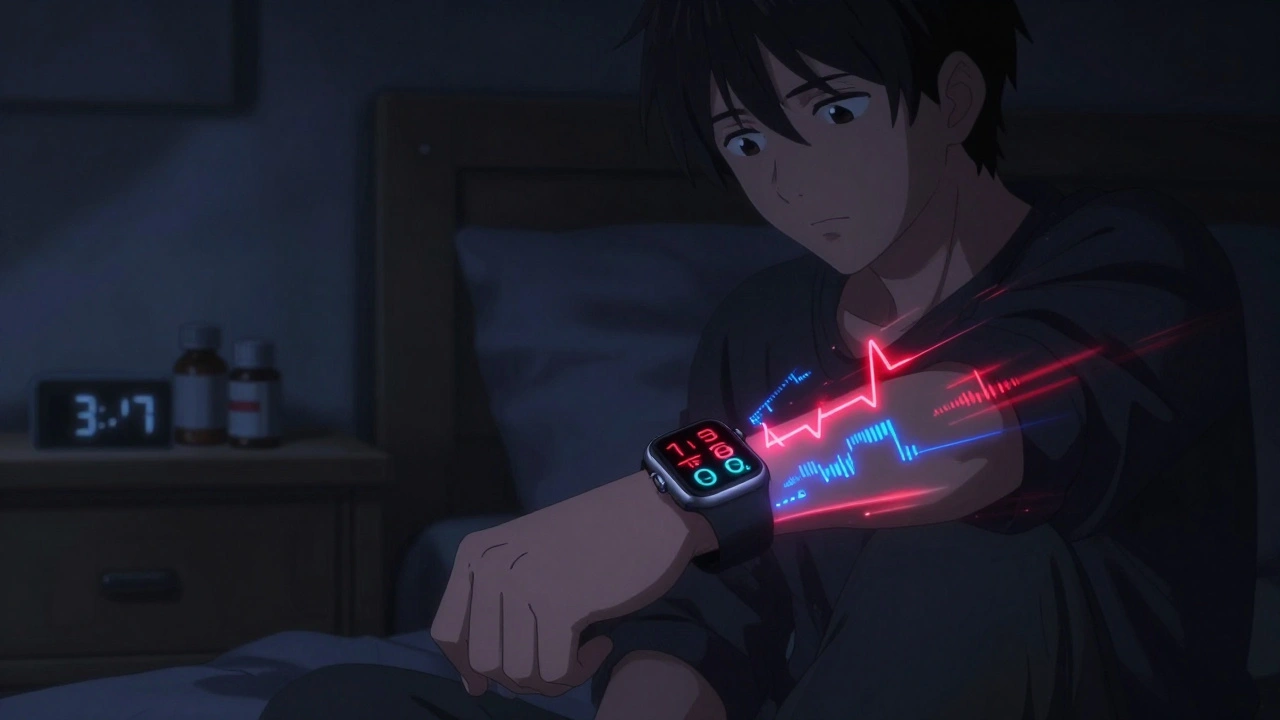
Using Wearables to Track Side Effects: Heart Rate, Sleep, and Activity
Wearables like Apple Watch and Fitbit can track subtle changes in heart rate, sleep, and activity that signal medication side effects. Learn how to use them safely, what devices work best, and how to avoid false alarms.