Wearables for Side Effects: Track Medication Reactions with Smart Devices
When you start a new medication, you’re not just waiting for it to work—you’re also watching for wearables for side effects, smart devices that monitor physical changes caused by drugs. These tools don’t replace your doctor, but they give you real-time data to spot trouble before it becomes an emergency. Think of them as your personal early-warning system for things like abnormal heart rhythms, sudden drops in oxygen, or hidden signs of allergic reactions.
Many people don’t realize how much their body reacts to drugs before they feel it. A rise in heart rate from an antibiotic, a drop in blood sugar from insulin, or a skin rash from an antidepressant can show up on a wearable smart health device, a wristband or patch that measures vital signs and movement days before you notice symptoms. Devices like the Apple Watch, Fitbit, or even medical-grade patches can track heart rate variability, skin temperature, and activity levels—all clues that something’s off. For someone on warfarin, a sudden spike in resting heart rate might mean an INR shift. For someone on insulin, a pattern of nighttime sweating and tremors could signal low blood sugar you didn’t feel.
These aren’t just fitness trackers. They’re wearable health monitors, tools designed to detect physiological changes tied to drug responses—and they’re becoming critical for people on multiple meds, older adults, or anyone with chronic conditions. The FDA has started recognizing some of these devices for clinical use, especially when they help catch drug-induced arrhythmias or photosensitivity reactions. You don’t need to be tech-savvy to use them. Most sync automatically to your phone and let you log symptoms like dizziness, nausea, or rashes alongside the data.
What’s missing from most doctor visits is continuous monitoring. You see your provider once a month, but your body is reacting every hour. Wearables fill that gap. They help you answer questions like: Did my new blood pressure med cause my sleepless nights? Is this fatigue from the antidepressant or something worse? Did the antibiotic trigger a dangerous drop in my white blood cells? The answer isn’t always in a lab test—it’s in the trend your watch picks up over time.
There’s no magic device that catches every side effect. But when you combine a wearable with good record-keeping—like saving prescription labels or tracking lab results—you turn guesswork into action. You’ll know when to call your doctor, when to skip a dose, or when to head to the ER. That’s the real power: turning silent, invisible reactions into visible, trackable signals.
Below, you’ll find real stories and science-backed guides on how to use these tools safely, which ones actually work for drug side effects, and how to avoid false alarms. Whether you’re on blood thinners, antidepressants, or thyroid meds, there’s something here that’ll help you stay ahead of the next reaction.
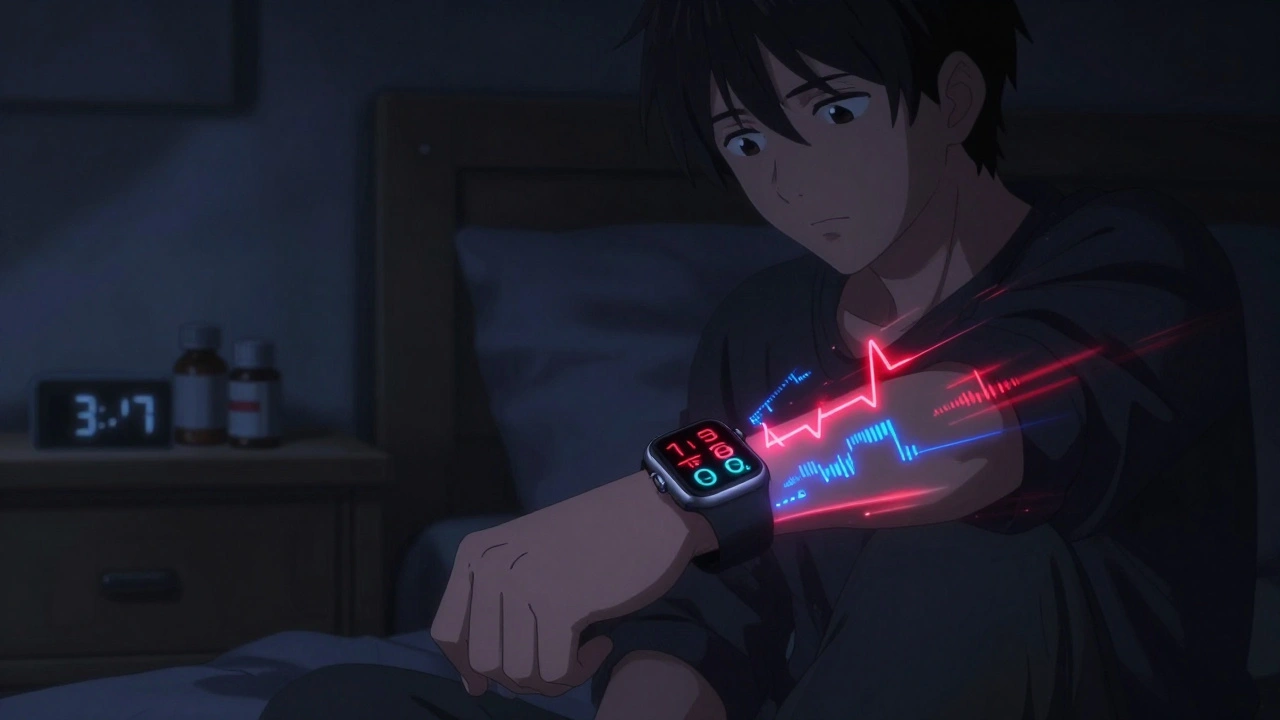
Using Wearables to Track Side Effects: Heart Rate, Sleep, and Activity
Wearables like Apple Watch and Fitbit can track subtle changes in heart rate, sleep, and activity that signal medication side effects. Learn how to use them safely, what devices work best, and how to avoid false alarms.