
Photosensitivity from Medications: Sun Safety and Skin Protection Guide
Photosensitivity Risk Calculator
Assess Your Photosensitivity Risk
This tool helps you understand your risk of medication-induced photosensitivity based on your medications, sun exposure habits, and protective measures.
Key Facts for Your Situation
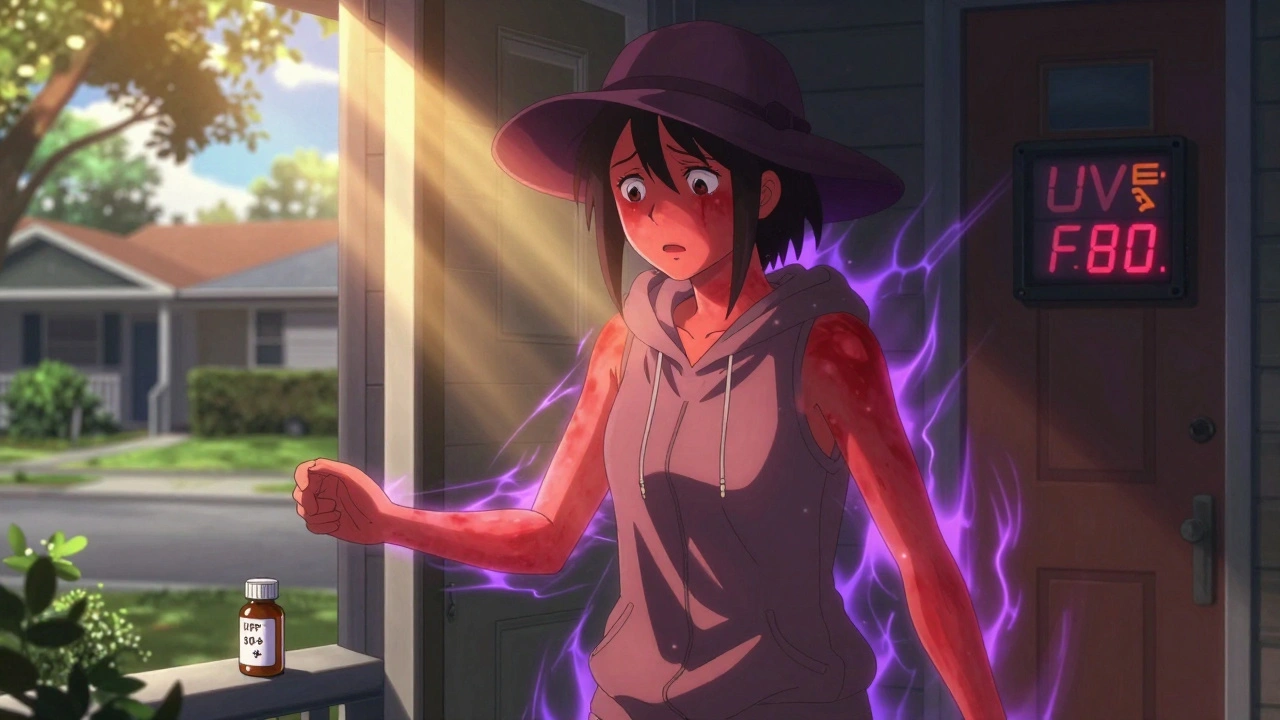
Most people know sunburn happens after too much time in the sun. But what if your skin reacts badly to sunlight even when you’ve barely been outside? If you’re taking certain medications, that’s not just bad luck-it’s a known side effect called photosensitivity. It’s more common than you think, and it can turn a short walk to the mailbox into a painful, blistering reaction. In Brisbane, where UV levels regularly hit extreme levels, this isn’t a theoretical risk-it’s a daily reality for thousands.
What Exactly Is Medication-Induced Photosensitivity?
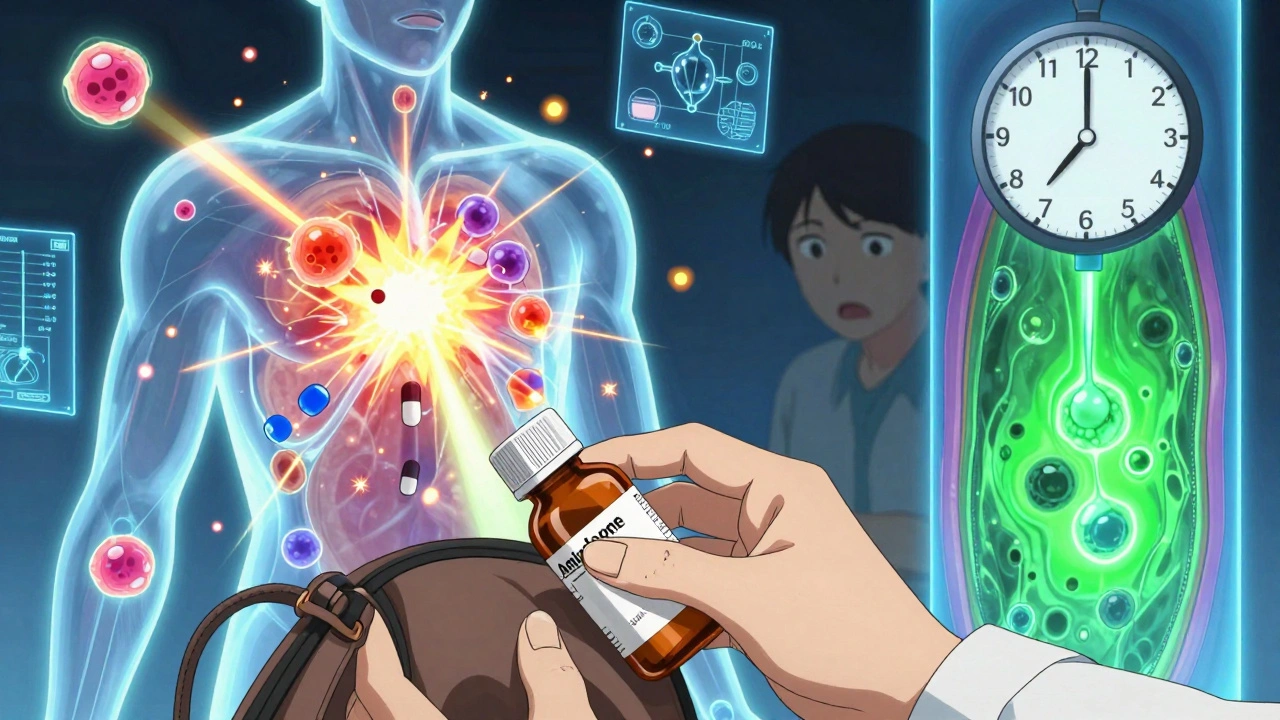
Photosensitivity from medications isn’t just a bad sunburn. It’s a chemical reaction between UV light and a drug in your system. When sunlight hits your skin, the medication molecules absorb the energy-especially UVA rays (320-400 nm)-and turn into reactive compounds that damage your skin cells. This isn’t an allergy in most cases. It’s a direct chemical burn, like pouring acid on your skin, but triggered by the sun.
There are two main types:
- Phototoxic reactions (95% of cases): These happen fast-within minutes to a couple of hours after sun exposure. They look like a severe sunburn: red, swollen, stinging skin, sometimes with blisters. The damage is limited to areas directly exposed to sunlight.
- Photoallergic reactions (5% of cases): These are slower and trickier. Your immune system gets involved. It takes 24 to 72 hours for a rash to appear, and it can spread beyond sun-exposed areas. It looks like eczema-itchy, flaky, patchy skin-and can be mistaken for other conditions.
Some medications can cause long-lasting effects. Amiodarone, used for heart rhythm problems, can make your skin sensitive to sunlight for up to 20 years after you stop taking it. That’s not a typo. The drug builds up in your tissues and keeps reacting to UV light for decades.
Which Medications Cause This?
You might be surprised how many common drugs can trigger this. Here are the top offenders:
- Tetracycline antibiotics (like doxycycline): Used for acne, Lyme disease, and infections. Up to 20% of people taking it get phototoxic burns-even through light clothing.
- NSAIDs (like ketoprofen, ibuprofen): Especially topical gels. A 2023 study found people using ketoprofen gel got burns even on cloudy days.
- Fluoroquinolone antibiotics (like ciprofloxacin): Common for urinary tract and respiratory infections. Reactions are less common but more severe.
- Amiodarone: A heart medication. Up to 75% of long-term users develop a gray-blue skin discoloration and extreme sun sensitivity.
- Diuretics (like hydrochlorothiazide): Used for high blood pressure. Often overlooked, but a major cause of photosensitivity in older adults.
- Some antidepressants and antipsychotics (like fluoxetine, chlorpromazine): Can trigger photoallergic rashes.
- Sulfonamides (like sulfamethoxazole): Used for infections and sometimes in combination with trimethoprim.
Here’s the kicker: 40% of all photosensitivity cases involve antibiotics. Another 25% come from heart or blood pressure meds. And women are twice as likely to have photoallergic reactions-likely because they use more topical products, including fragranced lotions and sunscreens with oxybenzone, which can itself be a trigger.
Why Most Sunscreens Don’t Work
You’ve heard it before: “Use SPF 50.” But if you’re on a photosensitizing drug, regular sunscreen might not be enough.
Here’s why: Most sunscreens focus on UVB protection (the rays that cause sunburn). But phototoxic reactions are driven by UVA rays, which penetrate deeper and are less blocked by standard sunscreens. A 2022 study from the Skin Cancer Foundation found only 35% of SPF 50+ sunscreens on the market actually offer enough UVA protection.
What works?
- Zinc oxide or titanium dioxide: These physical blockers reflect both UVA and UVB. Look for products with at least 15% zinc oxide.
- SPF 50+: Not just a number. You need high SPF because you’re more vulnerable.
- Water-resistant: Sweat and water wash off chemical sunscreens faster.
- Apply enough: Most people use only 25-50% of the recommended amount. You need about one ounce (a shot glass full) to cover your whole body. Reapply every two hours-even if you’re in the shade.
And don’t trust “waterproof” claims. No sunscreen is truly waterproof. Reapplication is non-negotiable.
Physical Barriers Are Your Best Defense
Here’s the truth: clothing beats sunscreen every time.
Regular cotton T-shirts only block about 3-10% of UV radiation. That’s barely better than nothing. But UPF 50+ clothing-designed specifically to block UV-blocks 98% of it. Brands like Solbari, Coolibar, and UV Skinz have been tested independently and consistently deliver on their claims.
People who switch to UPF 50+ shirts, wide-brimmed hats, and UV-blocking sunglasses report 80-90% fewer reactions. One user on MyHealthTeams said: “I used to get burned walking to my car. Now I wear a UPF 50+ hoodie and gloves. I haven’t had a flare-up in 14 months.”
Don’t forget: UV rays bounce off concrete, water, and even windows. You can get burned sitting inside near a sunny window. Tinted windows help, but they’re not foolproof.
How to Know If You’re at Risk
If you’ve ever gotten a bad sunburn after taking a new medication-even if you didn’t spend much time outside-you might have photosensitivity.
Ask yourself:
- Did your skin react badly after starting a new drug?
- Do you burn faster than others around you, even with sunscreen?
- Do you get rashes that look like eczema but only show up after sun exposure?
Here’s the scary part: 68% of people taking photosensitizing drugs get no warning from their doctor. A 2022 survey of 1,200 patients found that most were never told to avoid the sun. That’s not negligence-it’s a systemic gap. Primary care doctors prescribe these drugs, but dermatologists are the ones who understand the risks.
If you’re on one of these medications, assume you’re sensitive until proven otherwise. Don’t wait for a reaction to happen.
What to Do If You Get a Reaction
If your skin turns bright red, swells, or blisters after sun exposure:
- Get out of the sun immediately. Even indirect light can make it worse.
- Cool the area. Use a damp towel or cool bath. Avoid ice directly on skin.
- Don’t pop blisters. They protect the healing skin underneath.
- Use a gentle moisturizer. Look for products with aloe vera or ceramides. Avoid anything with alcohol, fragrance, or retinoids.
- Call your doctor. You might need a steroid cream or oral medication to reduce inflammation.
- Stop the medication only if your doctor says so. Never quit a prescription on your own.
Severe reactions can lead to scarring, permanent discoloration, or even increase your skin cancer risk. The Skin Cancer Foundation says people on photosensitizing drugs have up to a 60% higher chance of developing non-melanoma skin cancer over time.

How to Stay Safe Long-Term
Living with medication-induced photosensitivity isn’t about avoiding the sun forever. It’s about smart habits.
- Check the UV index daily. Apps like UVLens or the SunSmart app (from Cancer Council Australia) give real-time alerts. If the index is 3 or higher, take full precautions.
- Plan outdoor time before 10 a.m. or after 4 p.m. That’s when UV rays are weakest.
- Wear a wide-brimmed hat and UV-blocking sunglasses. Your eyes and scalp are vulnerable too.
- Ask your pharmacist or doctor for a list of your photosensitizing drugs. Keep it in your wallet or phone.
- Don’t use old sunscreens. They lose effectiveness after a year. Check the expiration date.
- Consider a skin check. If you’ve been on these meds for years, get an annual full-body skin exam by a dermatologist.
Some hospitals, like Kaiser Permanente, now have automated alerts in their electronic records that warn doctors when they prescribe a photosensitizing drug. But that’s not universal. You have to be your own advocate.
What’s New in 2025?
The field is evolving. In 2023, the FDA approved the first drug specifically designed to reduce UV damage in photosensitive patients: Lumitrex (photoprotectin). It doesn’t block UV-it neutralizes the free radicals that cause cell damage. Early results show a 70% drop in skin reactions.
Also in 2023, 23andMe launched a genetic test that identifies variants linked to higher photosensitivity risk. If you have certain MC1R gene mutations (common in redheads and fair-skinned people), you’re more vulnerable. It’s not a diagnosis, but it’s a warning sign.
And sunscreens are getting smarter. Prototype “smart” sunscreens are being tested that change color when UV exposure gets dangerous-like a temperature strip for your skin. They’re not on shelves yet, but they’re coming.
One thing’s clear: as global temperatures rise and UV levels increase by 0.5-1% each year, this problem will grow. Without better awareness, an extra 5 million Americans could develop medication-related photosensitivity by 2030.
Final Thought: You’re Not Overreacting
If you’ve been burned by the sun after taking a pill, you’re not being dramatic. You’re not allergic to sunshine. You’re reacting to a chemical interaction your body didn’t sign up for.
Photosensitivity isn’t rare. It’s underdiagnosed, underdiscussed, and often ignored. But it’s preventable. With the right protection, you can live normally-hike, garden, walk the dog-without fear.
Know your meds. Protect your skin. And don’t let anyone tell you it’s “just a sunburn.”
Can you get photosensitivity from over-the-counter drugs?
Yes. Many OTC medications can cause photosensitivity, including NSAIDs like ibuprofen and naproxen, especially in topical forms like gels or creams. Even some herbal supplements like St. John’s wort can trigger reactions. Always check the label or ask your pharmacist.
Does sunscreen prevent all photosensitivity reactions?
No. Standard sunscreens often don’t block enough UVA radiation, which is the main driver of phototoxic reactions. Even high-SPF chemical sunscreens can fail. Physical blockers like zinc oxide or titanium dioxide are more reliable. But the best protection is combining sunscreen with UPF 50+ clothing, hats, and shade.
How long does photosensitivity last after stopping the medication?
It varies. For most drugs, sensitivity fades within days to weeks after stopping. But for amiodarone, it can last up to 20 years. Other long-term offenders include tetracyclines and certain chemotherapy drugs. Always assume you’re still sensitive until your doctor confirms otherwise.
Can you develop photosensitivity even if you’ve taken the drug before without issues?
Absolutely. Photosensitivity can develop after months or years of use. It’s not about how long you’ve been on the drug-it’s about cumulative exposure and your body’s changing chemistry. People who’ve taken doxycycline for years without problems can suddenly start reacting after a change in dosage, diet, or sun exposure.
Is photosensitivity the same as sun allergy?
Not exactly. Sun allergy usually refers to polymorphic light eruption (PLE), which is an immune reaction to sunlight itself, not a drug. Photosensitivity from medications is triggered by a chemical interaction. But the symptoms can look similar, which is why it’s often misdiagnosed. The key difference? Photosensitivity only happens if you’re taking the triggering drug.
Should I avoid the sun completely if I’m on a photosensitizing drug?
No. Complete avoidance isn’t necessary or healthy. You can still enjoy outdoor time by being strategic: wear UPF 50+ clothing, use broad-spectrum zinc oxide sunscreen, avoid midday sun, and monitor the UV index. The goal is smart exposure, not isolation.




Comments
Grant Hurley
December 2, 2025 AT 09:46Been on doxycycline for acne and didn’t realize I was burning through my shirts like they were paper. Switched to zinc oxide and UPF gear - life changed. No more ‘sunburn’ that lasted weeks. Just wear the damn hoodie.
Louise Girvan
December 3, 2025 AT 17:23Big Pharma knows this. They don’t warn you because they make more money off your skin cancer treatments. Look at amiodarone - 20 YEARS of damage and no black box warning. It’s not negligence. It’s profit.
Nnaemeka Kingsley
December 4, 2025 AT 22:14bro i took cipro for a UTI and got burned just walking to the bus stop. no one told me. i thought i was just unlucky. now i wear long sleeves even when it's 90°. you ain't crazy - the system just don't care.
Michelle Smyth
December 5, 2025 AT 07:24One must interrogate the phenomenological rupture between pharmaceutical hegemony and somatic vulnerability. The skin, as a semiotic interface, becomes a battleground for pharmacological semiotics - yet the medical-industrial complex reduces this to a ‘sunburn’ narrative, thereby obfuscating the ontological violence of systemic neglect.
Patrick Smyth
December 5, 2025 AT 07:52My wife got a blistering rash from ibuprofen gel and the doctor laughed. LAUGHED. Said ‘you’re just sensitive.’ I told him to try it on his own skin. He shut up. This isn’t hypochondria - it’s a chemical betrayal.
soorya Raju
December 5, 2025 AT 09:42u think its bad wait till u find out the sun is a government laser to test our skin for 5g signals. also zinc oxide is made by the illuminati to track you. i wear a tinfoil hat and drink holy water now. no burns. no proof. case closed.
Dennis Jesuyon Balogun
December 5, 2025 AT 11:02This is not merely a medical issue - it is a crisis of epistemic justice. Who decides what risks are ‘acceptable’? Who benefits from the silence? We must demand transparency from regulatory bodies and empower patients as co-authors of their own health narratives. The skin remembers. The system forgets.
Shannon Gabrielle
December 5, 2025 AT 11:49Of course the sun is dangerous. You’re just weak. America’s got sun. You got SPF 50. You got UPF 50. You got shade. You got apps. You still got burned? Then maybe you’re just bad at life.
ANN JACOBS
December 6, 2025 AT 23:04As someone who has personally navigated the treacherous waters of phototoxic reactions after prolonged use of hydrochlorothiazide, I cannot emphasize enough the importance of proactive dermatological consultation, rigorous adherence to broad-spectrum physical blockers, and the cultivation of a daily mindfulness practice centered around environmental awareness and bodily attunement - because true health is not merely the absence of symptoms, but the presence of intentional, informed, and compassionate self-care.