
Adverse Drug Reactions: What They Are, How to Spot Them, and What to Do
When you take a medication, your body doesn’t always react the way it’s supposed to. Adverse drug reactions, unexpected and harmful responses to medications that aren’t part of the intended effect. Also known as drug side effects, these reactions range from a mild rash to organ failure—and they happen more often than most people realize. The FDA estimates that over 100,000 people die each year in the U.S. from preventable adverse reactions. That’s more than car accidents. Most of these aren’t from illegal drugs or overdoses. They’re from prescriptions taken exactly as directed.
Some reactions are predictable—like stomach upset from NSAIDs. Others are hidden, like antibiotic reactions, serious gut infections triggered by common antibiotics like clindamycin, or drug-induced thyroid problems, when thyroid meds like levothyroxine are misused or interact with other drugs. Even something as simple as a blood pressure pill can cause dangerous drops in kidney function if not monitored. These aren’t rare edge cases. They’re common enough that labs, doctors, and pharmacists use lab monitoring calendars, personalized schedules to track blood tests for high-risk drugs like lithium or warfarin to catch problems before they escalate.
You don’t need to be a doctor to protect yourself. Knowing the signs helps. If you start feeling unusually tired after starting a new med, if your skin breaks out without reason, if you get diarrhea after an antibiotic, or if your mood shifts suddenly—these could be red flags. The FDA drug alerts, official warnings issued when new risks are discovered for approved medications exist for a reason. They’re not scare tactics. They’re updates. And you can sign up for them for free. Many people don’t know their meds have been flagged. They keep taking them, thinking side effects are just "part of the deal." They’re not.
This collection of posts isn’t just about listing reactions. It’s about giving you tools to act. You’ll find guides on how to test for true penicillin allergies, how to spot counterfeit pills laced with fentanyl, how to read FDA safety notices without getting overwhelmed, and why some people need ACTH tests before stopping steroids. You’ll learn why certain drugs like chlorthalidone can worsen gout, how antidepressants during pregnancy are safer than feared, and how to avoid poisoning by mixing meds with household chemicals. These aren’t theoretical. These are real stories, real risks, and real fixes.
If you’re on more than one medication, if you’ve ever been told "this side effect is normal," or if you’ve had a reaction and weren’t sure what to do next—you’re not alone. And you don’t have to guess anymore. Below are clear, practical guides built from real cases and expert advice. No fluff. Just what you need to stay safe, spot trouble early, and talk to your doctor with confidence.
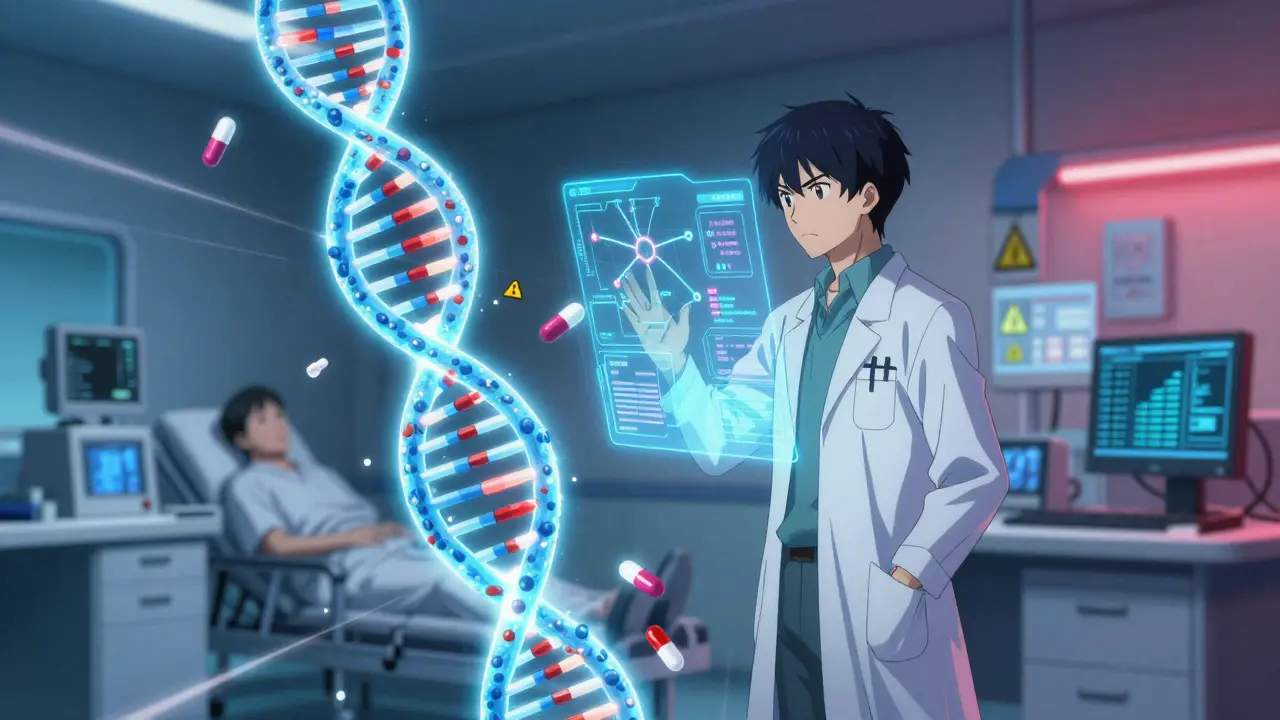
How Pharmacogenomics Reduces Drug Interaction Risk in Real-World Prescribing
Pharmacogenomics uses your DNA to predict how you'll respond to medications, helping avoid dangerous drug interactions. Learn how genes like CYP2D6 and CYP2C19 affect drug safety and why this science is changing modern prescribing.

Medication Side Effects: Common Reactions and When to Seek Help
Learn about common medication side effects, when they’re harmless, and which ones require immediate medical attention. Know what to watch for and how to report dangerous reactions.
Early Warning Signs of Dangerous Medication Side Effects: What to Watch For
Learn the early warning signs of dangerous medication side effects that can turn life-threatening. Know when to act fast, who’s at highest risk, and how to protect yourself from hidden drug reactions.