
Blue Light Filters: What They Do, Who Needs Them, and What Really Works
When you stare at a phone, laptop, or tablet for hours, your eyes aren’t just tired—they’re being bombarded by blue light filters, devices or software settings designed to reduce high-energy visible blue light emitted by digital screens. Also known as blue light blocking, these tools aim to ease eye strain and support healthier sleep cycles by cutting down on the kind of light that tricks your brain into thinking it’s still daytime. You’ve probably seen ads for glasses with amber lenses, screen protectors, or built-in night mode settings. But do they actually help? And who’s most likely to notice a difference?
The real issue isn’t just blue light itself—it’s when and how much of it you’re exposed to. screen eye strain, the discomfort from prolonged screen use including dry eyes, headaches, and blurred vision affects nearly 60% of adults who spend more than six hours a day on digital devices. This isn’t just about brightness—it’s about timing. Exposure to blue light in the evening suppresses melatonin, the hormone that tells your body it’s time to sleep. That’s why digital eye fatigue, a buildup of discomfort from extended screen exposure, especially at night often leads to trouble falling asleep or restless nights. And while not everyone feels it, people with existing sleep disorders, migraines, or those working night shifts tend to see the biggest improvements when they use blue light filters consistently.
Not all blue light filters are created equal. Software settings like Apple’s Night Shift or Windows’ Night Light cut blue light by shifting screen tones to warmer colors—simple, free, and effective for most users. Physical filters like screen protectors or special glasses work differently, often blocking a higher percentage of blue wavelengths. But if you’re not staring at screens late at night, you might not need them at all. The key isn’t eliminating blue light—it’s managing when you’re exposed to it. A 2021 study in the Journal of Clinical Sleep Medicine found that people who turned on blue light filters two hours before bed fell asleep 15 minutes faster on average than those who didn’t. That’s not magic—it’s biology.
What you’ll find in this collection are real, practical breakdowns of how blue light filters fit into everyday health. You’ll see how they connect to sleep routines, screen habits, and even conditions like chronic eye dryness or circadian rhythm disorders. There’s no fluff—just clear comparisons, user experiences, and what actually moves the needle when you’re trying to feel less wired after scrolling.
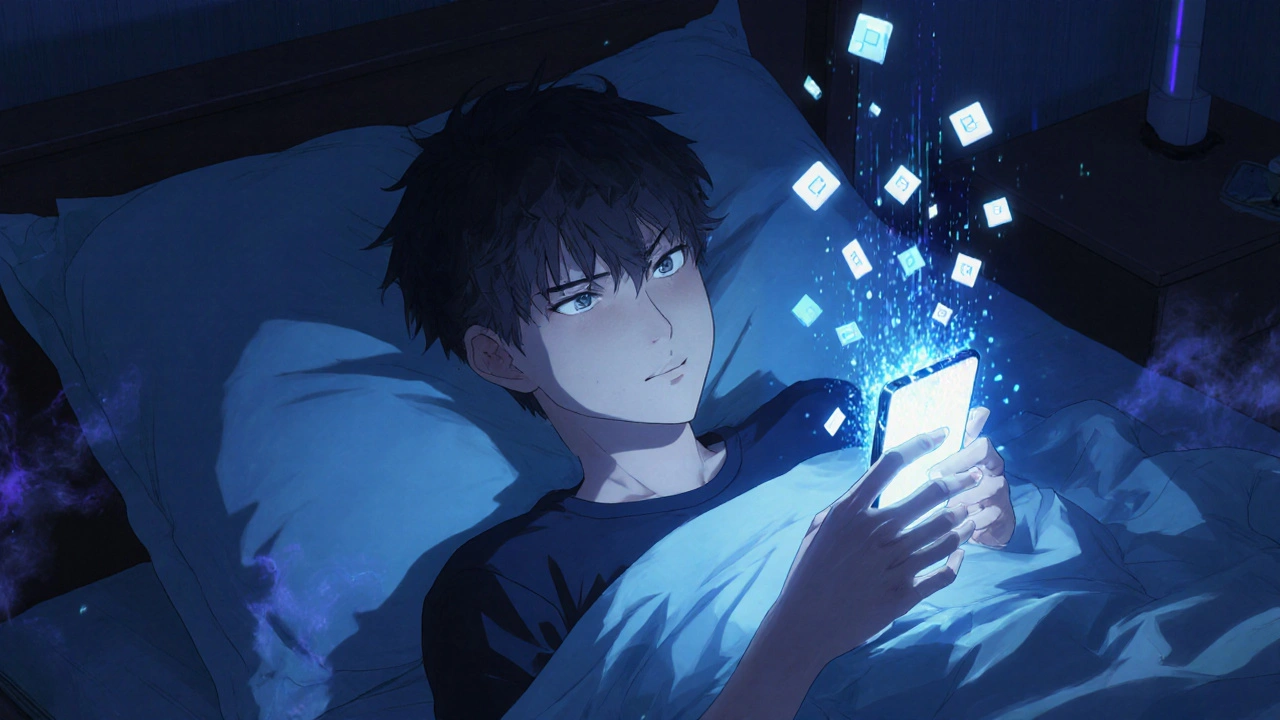
Blue Light and Sleep: How to Set Screen Time Limits for Better Rest
Blue light from screens suppresses melatonin and delays sleep. Limit screen time to 1-2 hours before bed, use night modes, and create a screen-free wind-down routine for better rest.