
Blue Light Sleep: How Screen Light Affects Your Rest and What to Do About It
When you stare at your phone, tablet, or computer before bed, you're exposing yourself to blue light, a high-energy visible light emitted by digital screens and LED bulbs that interferes with natural sleep signals. Also known as high-energy visible (HEV) light, it tricks your brain into thinking it's still daytime, which delays melatonin production—the hormone that tells your body it's time to sleep. This isn't just about feeling tired the next day. Chronic exposure to blue light at night has been linked to poorer sleep quality, longer time to fall asleep, and even increased risk of mood disorders, based on studies from the National Institutes of Health and sleep labs worldwide.
It's not just your phone. LED TVs, smart bulbs, and even some energy-efficient home lighting pump out blue light. But the real problem? Timing. Your circadian rhythm, your body's internal 24-hour clock that regulates sleep, hormone release, and body temperature. Also known as biological clock, it relies on light cues to stay on track. When blue light hits your eyes after sunset, it throws off that rhythm like a broken alarm clock. And unlike caffeine, you can't just wait it out—your body doesn't reset overnight. The good news? You don't need to ditch your devices. Simple changes—like turning on night mode an hour before bed, using amber-tinted glasses, or dimming lights—can make a real difference. People who follow these steps report falling asleep faster and waking up more refreshed, according to sleep tracking data from real users.
Some of the posts below dive into how blue light interacts with other sleep disruptors—like stress, caffeine, or even certain medications. Others show how people have rebuilt their sleep routines using tools like screen filters, smart lighting, and bedtime rituals that actually stick. You'll find no fluff here—just straight talk on what works, what doesn't, and why most "blue light blocker" apps and glasses are overhyped. Whether you're tossing and turning after scrolling, waking up groggy, or just tired of feeling like you never really rest, this collection gives you the facts you need to fix it—without buying into gimmicks.
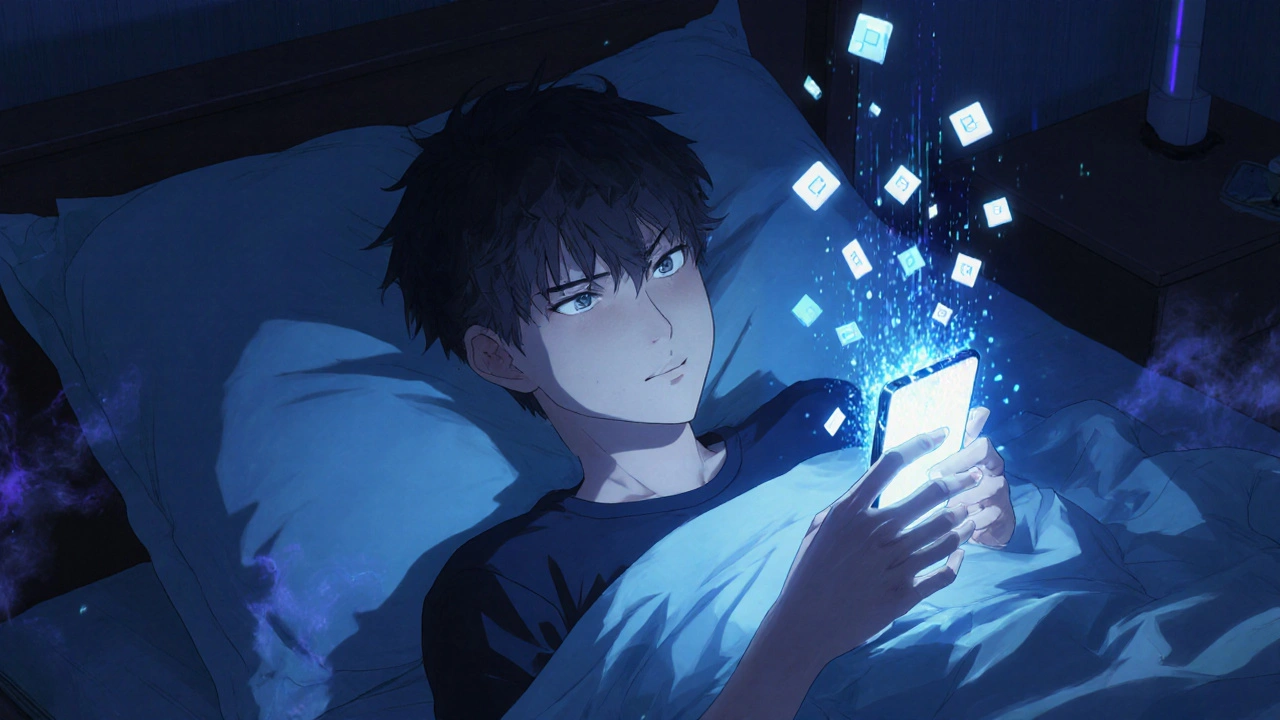
Blue Light and Sleep: How to Set Screen Time Limits for Better Rest
Blue light from screens suppresses melatonin and delays sleep. Limit screen time to 1-2 hours before bed, use night modes, and create a screen-free wind-down routine for better rest.