
Dangerous Drug Reactions: What They Are, How to Spot Them, and What to Do
When your body reacts badly to a medication, it’s not just an inconvenience—it can be life-threatening. Dangerous drug reactions, unexpected and harmful responses to medications that range from mild rashes to organ failure. Also known as adverse drug events, they happen when a drug interacts with your biology in a way no one predicted—or worse, when you didn’t know you were at risk. These aren’t rare. Every year, millions end up in emergency rooms because of them. And the worst part? Many could’ve been avoided with better awareness.
Some reactions are immediate, like anaphylaxis from penicillin—a swelling throat, racing heart, and sudden drop in blood pressure. Others creep up slowly: a fever weeks after starting a new antibiotic, or unexplained fatigue after switching antidepressants. Drug allergy, a specific immune system overreaction to a medication is just one type. More common are medication side effects, predictable but still dangerous outcomes like liver damage from long-term painkillers or kidney stress from blood pressure drugs. And then there’s the silent killer: C. difficile, a gut infection triggered by antibiotics like clindamycin that can turn a simple course of pills into a hospital emergency. These aren’t just side notes in a drug leaflet—they’re real, documented risks tied to everyday prescriptions.
What makes these reactions so dangerous isn’t just the symptom—it’s how often they’re ignored. A rash gets called "just dry skin." Diarrhea after antibiotics? "Must’ve been something I ate." But when your body sends a signal, it’s not asking for permission. The dangerous drug reactions that kill are the ones you didn’t take seriously until it was too late. That’s why knowing what to watch for matters more than you think. It’s not about memorizing every possible side effect. It’s about recognizing the red flags: sudden confusion, chest pain, unexplained bruising, yellowing skin, or a fever that won’t break after starting a new drug. These aren’t normal. And if you’re on long-term meds like lithium, warfarin, or thyroid pills, regular lab checks aren’t optional—they’re your safety net.
You don’t need to be a doctor to protect yourself. You just need to pay attention, ask questions, and know where to find reliable updates. The FDA doesn’t wait for disasters to warn people—they issue alerts when new risks show up. And if you’re on antibiotics, antidepressants, or heart meds, you’re already in the high-risk group. The posts below show you exactly what to look for, what tests to ask for, how to spot fake pills, and how to avoid the most common mistakes that lead to serious harm. This isn’t theoretical. These are real stories, real risks, and real steps you can take today to stay safe.
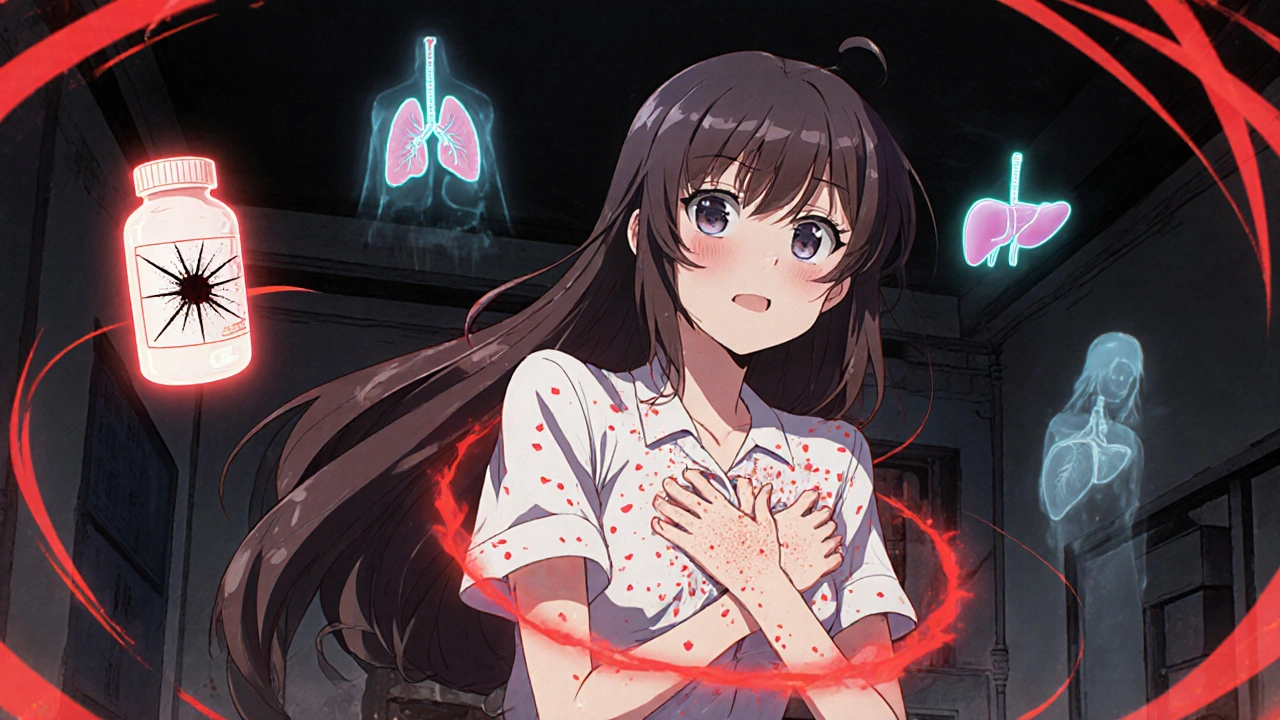
Early Warning Signs of Dangerous Medication Side Effects: What to Watch For
Learn the early warning signs of dangerous medication side effects that can turn life-threatening. Know when to act fast, who’s at highest risk, and how to protect yourself from hidden drug reactions.