
Generic Medication Savings: How to Save Big on Prescription Drugs
When you hear generic medication savings, the cost difference between brand-name drugs and their generic versions. Also known as generic drug savings, it's not just a trick—it's how the system is designed to work. The FDA requires generics to have the same active ingredients, strength, dosage, and effectiveness as the brand-name version. That means your blood pressure pill, antidepressant, or antibiotic works the same way—whether it’s called Lipitor or atorvastatin. The only real difference? The price. Many people pay $200 for a brand-name drug when the generic costs $12. That’s not luck. That’s science meeting savings.
Not everyone knows how to get these savings, though. Some think generics are weaker. Others worry about buying them online. But the truth is, FDA generic approval, the strict process that ensures generic drugs meet the same quality standards as brand-name drugs is one of the most reliable systems in medicine. Every generic drug goes through the ANDA pathway—no repeat clinical trials, no shortcuts. Just proof that it performs identically. And if you’re buying from a licensed pharmacy, you’re getting the same medicine, just without the marketing budget. You can also save more by switching to mail-order pharmacies or using discount programs like GoodRx. But here’s the catch: not all savings are equal. Some online sellers sell fake pills. That’s why knowing how to spot a real pharmacy matters as much as knowing the name of your drug.
And it’s not just about price. Generic medication savings can change how you stick to your treatment. If a pill costs $5 instead of $150, you’re far more likely to take it every day. That’s why doctors push generics—they know it’s not just about money, it’s about health outcomes. People with diabetes, high cholesterol, or depression often quit meds because they can’t afford them. Switching to a generic can make the difference between managing your condition and ending up in the hospital. And if you’re on multiple prescriptions? The savings add up fast. A $100 monthly cut on three drugs? That’s $1,200 a year back in your pocket.
You’ll find real stories in the posts below—like how someone saved $900 a year by switching from brand-name Lamictal to its generic, or how testing for a penicillin allergy opened the door to cheaper, safer antibiotics. Others show how to avoid counterfeit pills that look like generics but contain deadly fentanyl. There’s advice on reading FDA alerts so you don’t get caught with a recalled drug, and how to organize your prescription labels so you never miss a refill. These aren’t theoretical tips. They’re from people who’ve been there—struggling with costs, then finding real ways out.
Generic medication savings isn’t a loophole. It’s the rule. And if you’re not using it, you’re paying more than you need to. Below, you’ll find clear, no-fluff guides on how to find real generics, avoid scams, understand safety alerts, and talk to your pharmacist about cheaper options. No hype. Just what works.
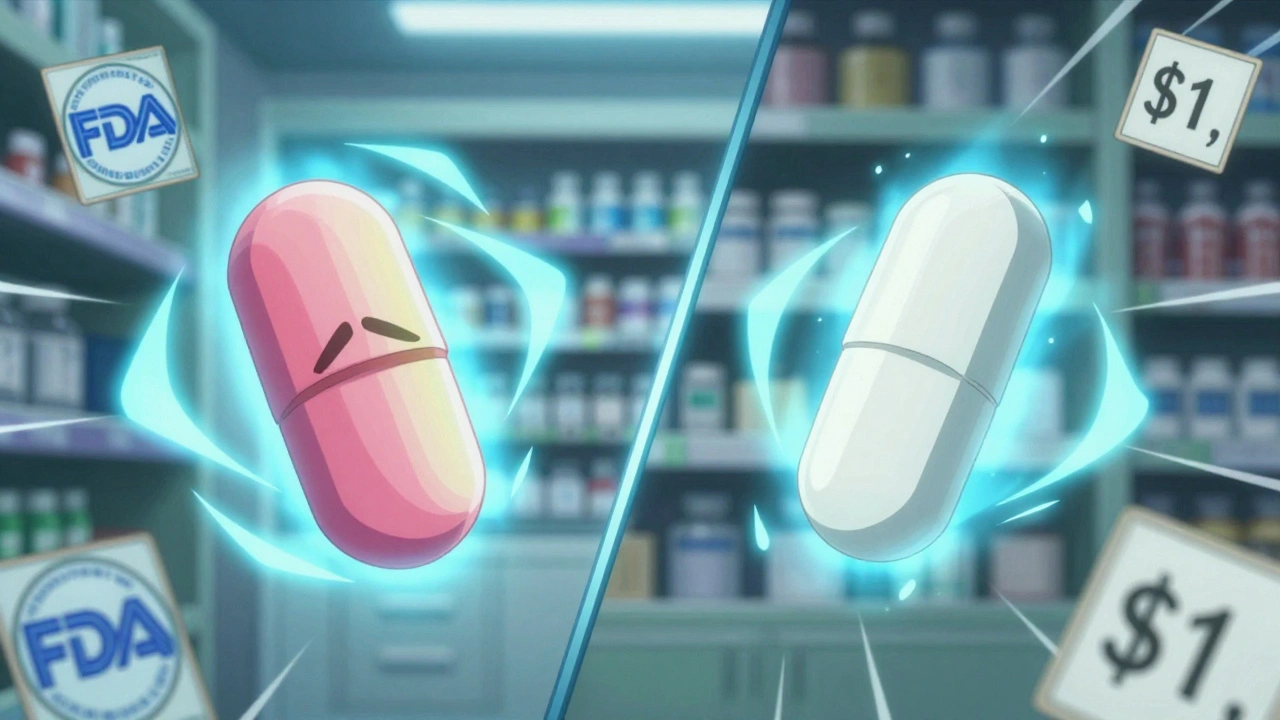
Generic Drugs vs. Brand-Name Medications: What You Really Need to Know
Generic drugs save up to 85% on prescription costs and work just as well as brand-name meds for most people. Learn when they're safe, when to stick with the brand, and how to avoid hidden risks.