
Melatonin Suppression: What It Is, Why It Matters, and How to Manage It
When your body stops making enough melatonin, a natural hormone that tells your brain it’s time to sleep. Also known as the sleep hormone, it’s what helps you drift off without effort—until something interrupts it. That interruption is called melatonin suppression, and it’s happening to more people than you think. It’s not just about not being able to fall asleep. It’s about your whole internal clock getting thrown off, which can lead to poor sleep, mood swings, weakened immunity, and even long-term health risks.
This isn’t just a nighttime problem. circadian rhythm, your body’s 24-hour internal clock that regulates sleep, hormones, and metabolism relies on light and dark cues to stay on track. When you’re exposed to bright screens, LED lights, or even overhead lighting after sunset, your brain gets confused. It thinks it’s still daytime. That’s when blue light exposure, the type of light emitted by phones, tablets, and TVs that most strongly blocks melatonin steps in as the main culprit. Studies show even 2 hours of screen time before bed can cut melatonin levels by more than half. And it’s not just screens—some LED bulbs and night lights do the same thing.
People who work night shifts, travel across time zones, or just scroll in bed are especially vulnerable. But you don’t need a diagnosis to feel the effects. If you lie awake staring at the ceiling, wake up tired no matter how long you slept, or feel off during the day for no reason, melatonin suppression could be why. The good news? You don’t need fancy gadgets or expensive supplements to fix it. Simple changes—like dimming lights an hour before bed, switching to red or amber bulbs, or putting your phone in another room—can make a real difference.
What you’ll find below are real, practical posts that dig into how melatonin suppression connects to everyday health issues. From how sleep problems link to medication side effects, to how managing your environment can help with mental health and chronic fatigue, these articles don’t just talk about the problem—they show you how to fix it. No fluff. No theory. Just what works.
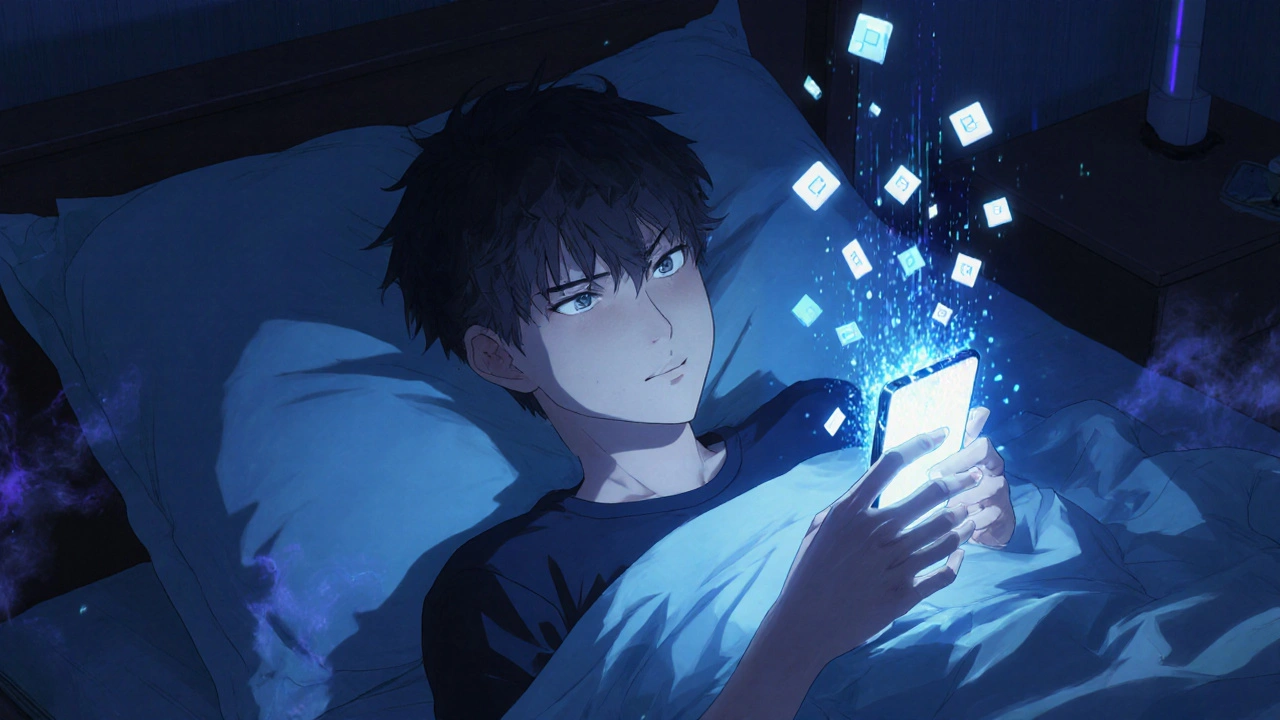
Blue Light and Sleep: How to Set Screen Time Limits for Better Rest
Blue light from screens suppresses melatonin and delays sleep. Limit screen time to 1-2 hours before bed, use night modes, and create a screen-free wind-down routine for better rest.