
Screen Time Before Bed: How Blue Light Affects Sleep and What to Do About It
When you scroll through your phone or watch TV right before bed, you're not just relaxing—you're fighting your body's natural sleep clock. Screen time before bed, the use of digital devices like phones, tablets, and TVs in the hour before sleep. Also known as evening screen exposure, it directly interferes with your circadian rhythm, the internal 24-hour biological clock that regulates sleep and wake cycles. This isn't just about feeling tired the next day—it's about how your brain stops making melatonin, the hormone that tells you it's time to sleep.
Blue light from screens tricks your brain into thinking it's still daytime. Studies show that even 2 hours of screen use before bed can delay melatonin release by over an hour. That means you fall asleep later, sleep less deeply, and wake up feeling off—even if you spent eight hours in bed. This isn't just a problem for teens or night owls. Adults on work emails, parents checking messages, and retirees binge-watching shows all face the same issue. And it's not just the light. The mental stimulation from social media, news, or work emails keeps your mind active when it should be winding down. Your brain doesn't know the difference between a text from your boss and a cat video—it just knows it's not time to shut off.
Fixing this doesn't mean throwing out your devices. It means changing when and how you use them. A simple rule: stop all screens at least 60 minutes before bed. Swap scrolling for reading a physical book, listening to calm music, or just sitting quietly. If you must use a device, turn on night mode and lower the brightness. But even that isn't enough if your mind is still racing. The real fix is creating a wind-down ritual that tells your body: it's sleep time. No screens. No work. No stress. Just quiet. The posts below show you exactly how others have rebuilt their sleep habits—whether they switched to amber glasses, used app blockers, or just started reading before bed. You'll see what actually worked, what didn't, and how small changes made big differences in how they felt every morning.
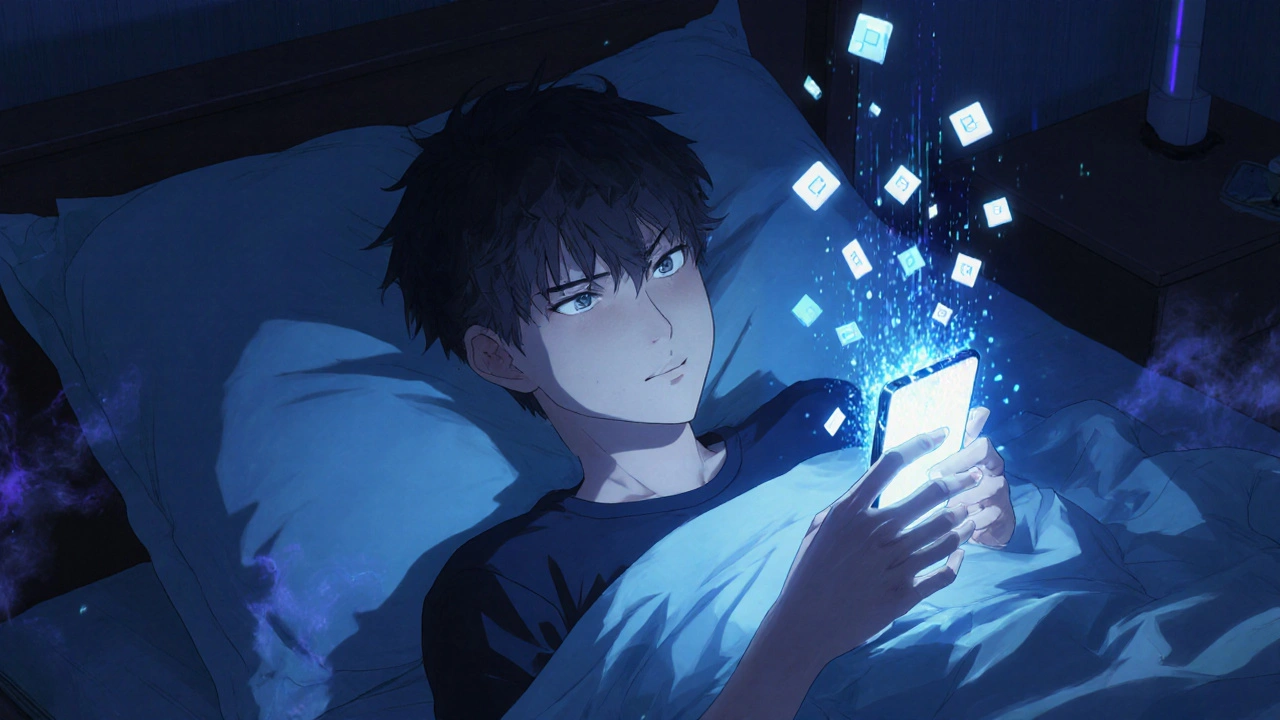
Blue Light and Sleep: How to Set Screen Time Limits for Better Rest
Blue light from screens suppresses melatonin and delays sleep. Limit screen time to 1-2 hours before bed, use night modes, and create a screen-free wind-down routine for better rest.