Diabetes Safety: Protect Your Health from Medication Risks and Daily Traps
When you live with diabetes, a chronic condition where the body can’t properly regulate blood sugar. Also known as hyperglycemia disorder, it requires more than just pills or insulin—it demands constant awareness of how your body reacts to food, stress, and especially other medications. One wrong drug combo can send your blood sugar crashing or skyrocketing, and many people don’t realize it until it’s too late.
Medication interactions, when two or more drugs affect each other’s performance. Also known as drug-drug interactions, are a silent threat for people with diabetes. For example, antibiotics like trimethoprim-sulfamethoxazole can boost the effect of blood thinners, which might seem unrelated—but if you’re also on insulin or sulfonylureas, your risk of low blood sugar spikes. Even common OTC painkillers or cold meds can hide sugars or alter how your liver processes glucose-lowering drugs. You don’t need to avoid all meds—just learn which ones play dirty with your diabetes plan. Then there’s hypoglycemia, dangerously low blood sugar that can cause confusion, shaking, or even loss of consciousness. Also known as insulin shock, it’s not just a nighttime scare—it can happen after exercise, skipped meals, or when your insulin dose doesn’t match your activity level. Many people ignore early signs like sweating or a racing heart, thinking it’s just stress. But repeated episodes can damage your nerves, your heart, and your ability to sense danger in the future. And let’s not forget insulin safety, how you store, handle, and inject insulin to avoid contamination, dosing errors, or accidental overdoses. Also known as insulin administration, it’s the foundation of daily control. A single wrong injection can land you in the ER. That’s why keeping labels clear, using proper storage, and knowing your insulin’s expiration matters more than you think.
Diabetes safety isn’t about perfection. It’s about knowing what to watch for, when to call your doctor, and how to build habits that actually stick. The posts below cover real stories and proven steps: how to spot early signs of dangerous reactions, how to read drug alerts from the FDA, how to store your meds safely away from household chemicals, and what to do when a new prescription might mess with your blood sugar. You’ll find advice on avoiding common traps—like energy drinks boosting your heart rate or antidepressants changing your appetite—and how to stay ahead of problems before they become emergencies. This isn’t theory. It’s what works when your health is on the line.
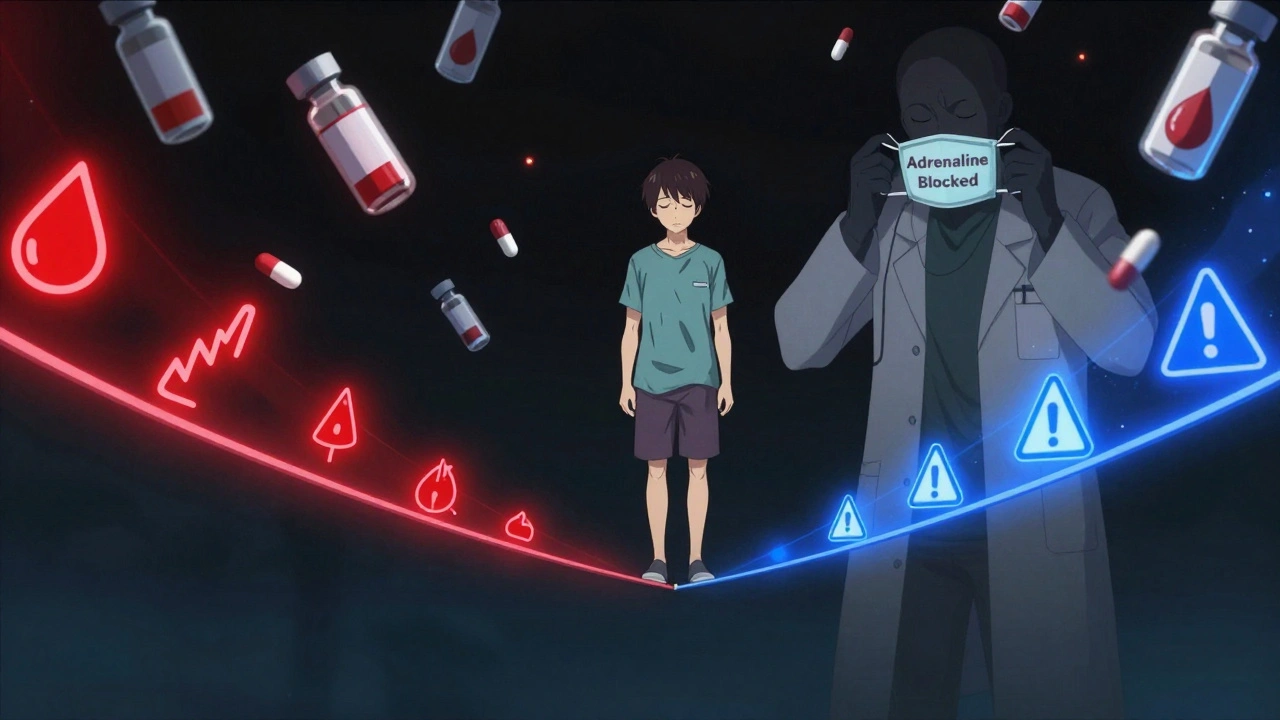
Insulin and Beta-Blockers: What You Need to Know About Hypoglycemia Unawareness
Combining insulin with beta-blockers can mask the warning signs of low blood sugar, leading to dangerous hypoglycemia unawareness. Learn how to stay safe with better monitoring, drug choices, and key symptoms to watch for.