
Generic vs Brand Medications: What Really Matters for Your Health
When you pick up a prescription, you might see two options: a generic drug, a medication that contains the same active ingredient as a brand-name drug but is sold under its chemical name. Also known as generic medication, it is approved by the FDA to work the same way, in the same amount, and with the same safety profile as the original. Or you might see the brand name drug, the original version developed and marketed by a pharmaceutical company under a patent-protected name. Also known as originator drug, it’s often more expensive because of research, marketing, and patent costs. The big question isn’t whether they’re different—it’s whether that difference actually affects you.
The FDA generic approval, the strict process that ensures generic drugs are bioequivalent to their brand-name counterparts. Also known as ANDA pathway, it requires generics to match the brand in strength, dosage form, route of administration, and how quickly the body absorbs the drug. That means if your doctor prescribes lisinopril, the generic version works just as well as Zestril. Same for metformin vs Glucophage, or sertraline vs Zoloft. The inactive ingredients—fillers, dyes, coatings—might vary slightly, but those don’t change how the medicine works in your body. In fact, most generic drugs are made in the same factories as brand-name ones. The only real difference? Price. Generics can cost 80% less, saving patients billions every year.
Still, people worry. Maybe you’ve heard stories about generics not working as well. Or maybe you switched and felt something different. Sometimes, that’s psychological. Other times, it’s because of how your body reacts to tiny variations in inactive ingredients—especially with narrow-therapeutic-index drugs like warfarin or thyroid meds. That’s why some doctors stick with brand names in those cases. But for the vast majority of medications—antibiotics, blood pressure pills, antidepressants, pain relievers—generics are just as safe and effective. The FDA doesn’t approve generics lightly. They test them. They monitor them. And they’ve found no meaningful difference in outcomes.
What you’ll find in these articles isn’t just theory. It’s real-world advice from people who’ve navigated the system: how to spot fake pills sold as generics, how to buy safe generic lamictal online, how the FDA tracks drug safety, and why some people need to stick with brand names. You’ll see how medication errors happen when labels aren’t stored properly, how drug interactions like TMP-SMX and warfarin can be dangerous, and why knowing the difference between generic and brand isn’t just about saving money—it’s about staying in control of your health.
Whether you’re trying to cut costs, avoid scams, or just understand what’s in your pill bottle, this collection gives you the facts—not the hype. You don’t need to pay more for the same medicine. You just need to know how to get it right.

Why Generic Medications Cost Less for Patients and Insurers
Generic medications cost far less than brand-name drugs because they don’t require expensive research or clinical trials. They’re identical in effectiveness but save patients and insurers billions each year-when you know how to use them.
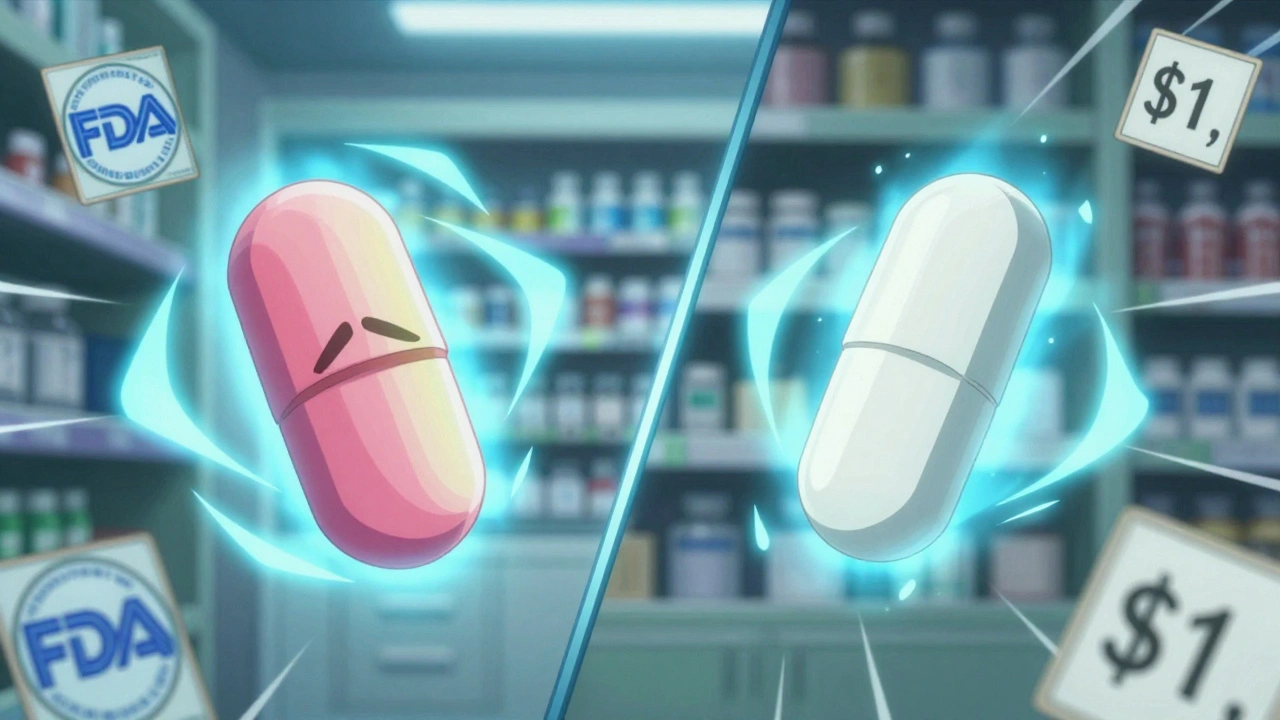
Generic Drugs vs. Brand-Name Medications: What You Really Need to Know
Generic drugs save up to 85% on prescription costs and work just as well as brand-name meds for most people. Learn when they're safe, when to stick with the brand, and how to avoid hidden risks.