Menopause Treatment: What Actually Works and What to Avoid
When your body shifts into menopause, the natural end of menstrual cycles, usually confirmed after 12 consecutive months without a period. Also known as the change, it’s not a disease—it’s biology. But that doesn’t mean you have to suffer through night sweats, brain fog, or vaginal dryness without help. Millions of women face this transition every year, and the good news is, there are real, science-backed ways to feel better.
Hormone therapy, the use of estrogen or estrogen-plus-progestin to replace declining hormones. Also known as HT or HRT, it remains the most effective treatment for hot flashes and night sweats. It’s not for everyone—especially if you have a history of breast cancer, blood clots, or heart disease—but for many, it’s life-changing. The key is timing: starting it close to when menopause begins often means better results and fewer risks. Vaginal dryness, a common symptom caused by lower estrogen levels affecting the tissues of the vagina and urinary tract. Also known as atrophic vaginitis, it can make sex painful and increase urinary infections doesn’t always need systemic hormones. Low-dose vaginal creams, rings, or tablets can target the area directly with minimal absorption elsewhere.
Not every woman needs hormones. Perimenopause, the years leading up to menopause when hormone levels start to fluctuate. Also known as the transition, it’s when many first notice mood swings, irregular periods, or trouble sleeping can last for years. Lifestyle changes like regular exercise, cutting back on alcohol, and managing stress can make a real difference. Some find relief with certain antidepressants—like low-dose SSRIs—that aren’t meant for depression but help with hot flashes. Supplements like black cohosh or soy isoflavones? The evidence is weak and inconsistent. Don’t waste money on what doesn’t work.
You’ll find posts here that dig into the real risks and benefits of hormone therapy, how certain medications can worsen or improve symptoms, and what to do when your doctor says "it’s just aging"—but you know it’s more than that. We cover drug interactions, non-hormonal options, and how to talk to your provider without feeling dismissed. This isn’t about quick fixes. It’s about understanding what your body is going through and finding the right tools to get through it with your energy, comfort, and confidence intact.
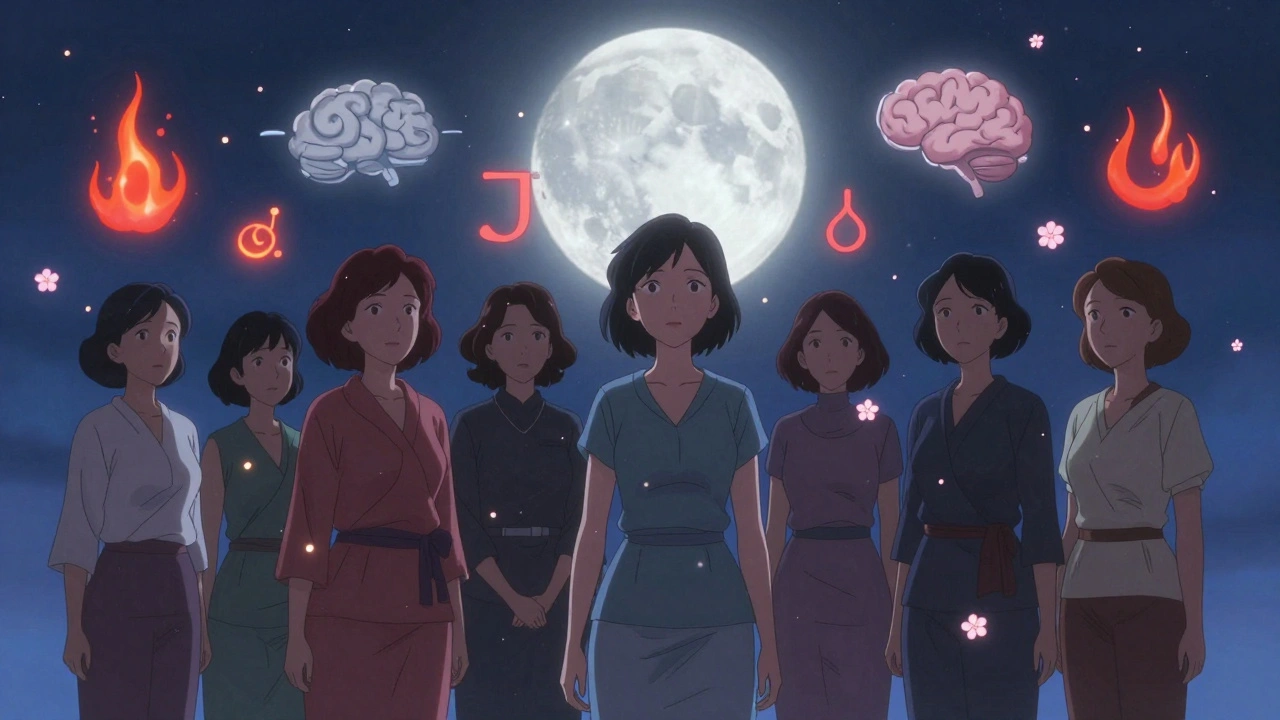
Hormone Replacement Therapy: What You Need to Know About Benefits, Risks, and Monitoring
Hormone Replacement Therapy can effectively relieve menopause symptoms and protect bone health-but only when used correctly. Learn who benefits most, what the real risks are, and how to monitor treatment safely.