Pregnancy and Depression: What You Need to Know About Medication, Risks, and Support
When you're pregnant, your body changes in ways no one fully prepares you for—and your mind is no exception. Pregnancy and depression, a common but often hidden mental health challenge during and after pregnancy. Also known as perinatal depression, it affects more than 1 in 7 pregnant people, yet many suffer in silence because they think it’s just "hormones" or that they should be happy. This isn’t weakness. It’s biology. Hormones shift, sleep vanishes, and the pressure to be a "perfect" mom can crush your mental health faster than you realize.
Antidepressants during pregnancy, medications used to treat depression while carrying a baby. Also known as prenatal psychiatric treatment, they’re not a quick fix—but for many, they’re the difference between surviving and thriving. SSRIs like sertraline and citalopram are often used because they have the most safety data. But stopping meds cold turkey? That can be riskier than staying on them. The real question isn’t "Should I take meds?" It’s "What happens if I don’t?" Untreated depression increases the chance of preterm birth, low birth weight, and even long-term emotional struggles for the child. And it doesn’t stop after birth—postpartum depression, a severe form of depression that can hit weeks or months after delivery. Also known as maternal mental health crisis, it’s not just the "baby blues"—it’s a medical condition that needs attention, not shame.
Most people don’t realize that depression during pregnancy isn’t just about feeling sad. It’s numbness. It’s crying for no reason. It’s feeling like you’re failing even when you’re doing everything right. It’s avoiding your partner because you’re too drained to fake being okay. And it’s terrifying to think about taking a pill while pregnant—until you realize not taking one might be worse. That’s why talking to your OB, a therapist, or a pharmacist who specializes in maternal health matters. You don’t have to choose between being a good mom and being mentally well. The right support helps you do both.
What you’ll find here aren’t just articles about pills and symptoms. You’ll see real advice on spotting early signs, understanding drug safety during pregnancy, knowing when to ask for help, and how to find care that actually listens. From medication risks to therapy options, from how to talk to your doctor without feeling judged, to what support systems actually work—this collection cuts through the noise. You’re not alone. And you don’t have to figure this out by yourself.
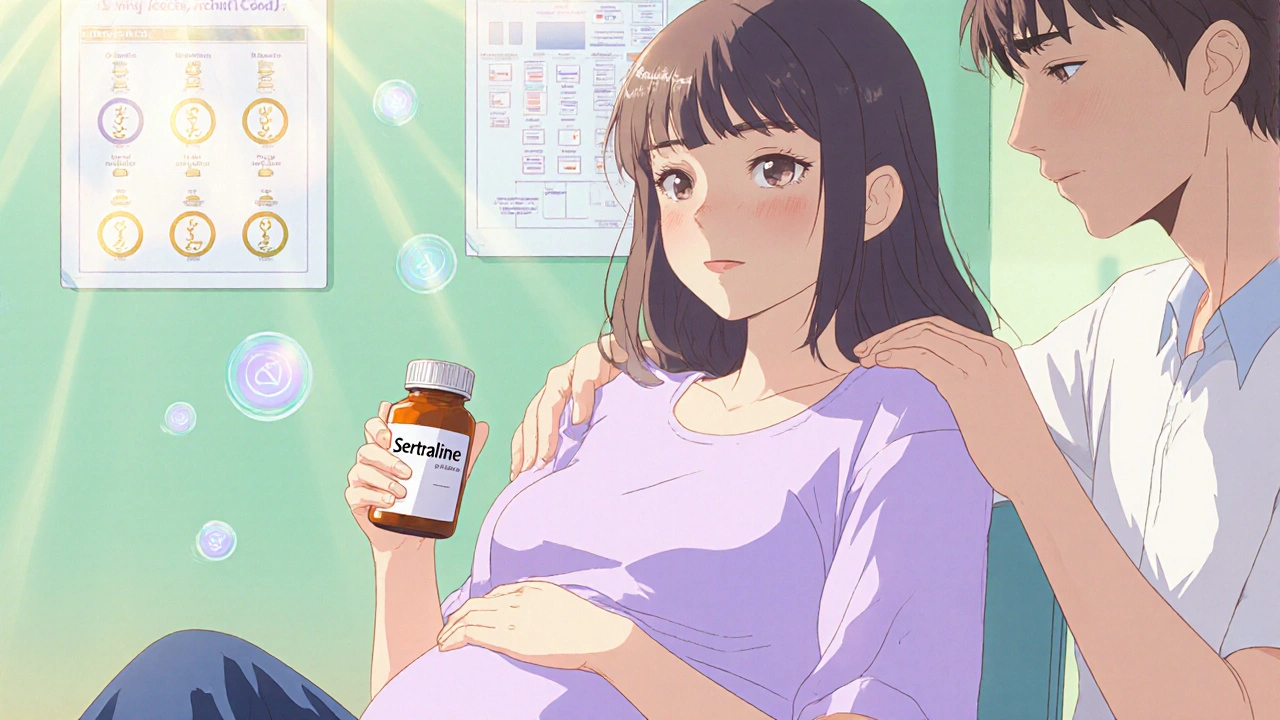
Antidepressant Use in Pregnancy: What You Need to Know About Safety and Side Effects
Antidepressants during pregnancy are safer than many think. Sertraline is the preferred choice, with no proven link to birth defects or long-term harm. Untreated depression poses greater risks to mother and baby.