UV Protection Drugs: What They Are and How They Help Your Skin
When you think of UV protection, you probably picture sunscreen, hats, and shade. But there’s another layer—UV protection drugs, medications designed to reduce skin damage from ultraviolet radiation. These aren’t just supplements; they’re prescription or over-the-counter compounds that work inside your body to shield your skin from sun-induced harm, including DNA damage and inflammation. Some of these drugs are taken daily to lower skin cancer risk, while others are used to manage conditions where sunlight triggers bad reactions.
Not all drugs protect you from the sun—some actually make you more vulnerable. Drug-induced photosensitivity, a reaction where certain medications make skin burn or blister easily in sunlight, is a real and under-discussed risk. Antibiotics like doxycycline, diuretics like chlorthalidone, and even some antidepressants can turn your skin into a sunburn magnet. That’s why knowing what you’re taking matters as much as what you put on your skin. Photoprotective medications, compounds like nicotinamide and polypodium leucotomos extract that help prevent UV damage from within, are being studied and used to reduce actinic keratoses and melanoma risk, especially in high-risk patients.
It’s not about replacing sunscreen. It’s about adding backup. People on long-term immunosuppressants, those with a history of skin cancer, or those with autoimmune diseases like lupus often need more than topical protection. Research shows daily nicotinamide (a form of vitamin B3) can cut non-melanoma skin cancers by up to 23% in high-risk groups. Polypodium leucotomos, a fern extract, reduces sunburn cells and oxidative stress after UV exposure. These aren’t magic pills, but they’re real tools—used alongside sun safety habits, not instead of them.
You’ll find posts here that explain how to spot dangerous drug reactions to sunlight, how to read FDA alerts about photosensitivity warnings, and how to test for true allergies to common meds like doxycycline. There’s also guidance on managing side effects from drugs that affect your skin’s natural defenses. Whether you’re worried about sun damage, have a condition that makes you sensitive to light, or just want to reduce your skin cancer risk, the articles below give you the facts you need—no fluff, no marketing, just what works.
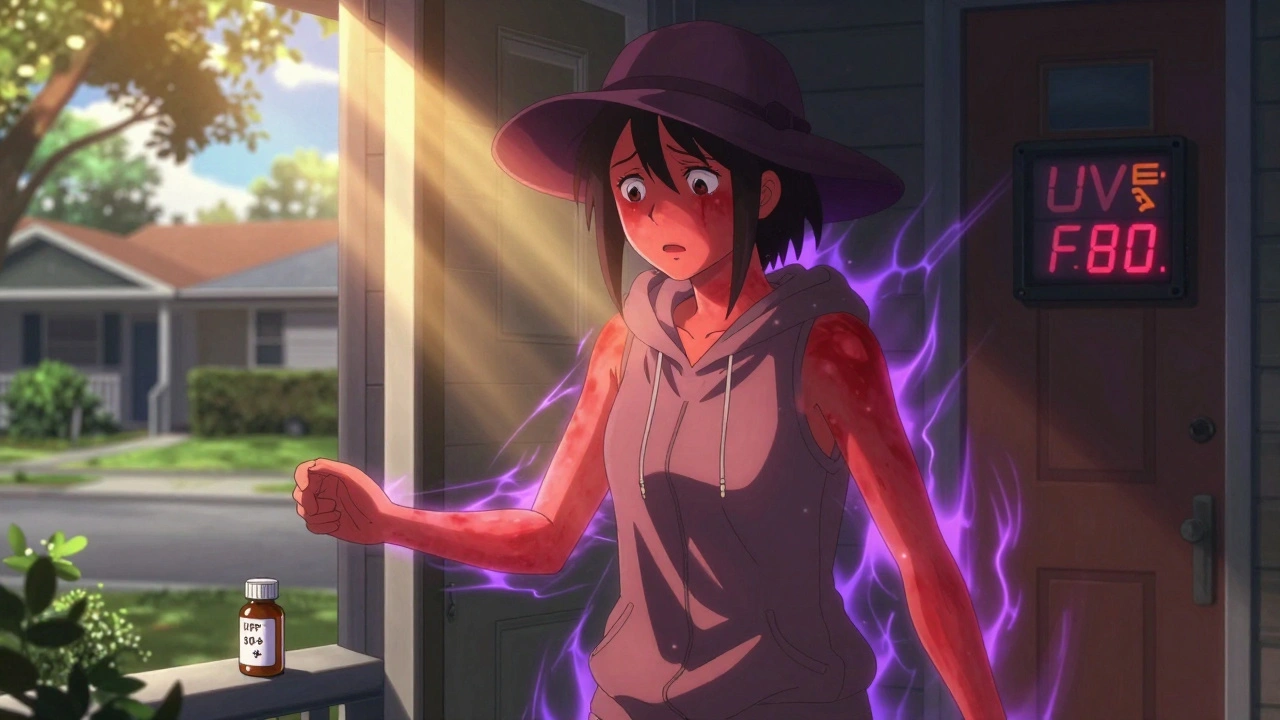
Photosensitivity from Medications: Sun Safety and Skin Protection Guide
Many medications can make your skin dangerously sensitive to sunlight, causing severe burns or rashes. Learn which drugs trigger photosensitivity, how to protect yourself, and why regular sunscreen often isn't enough.