
Generic Drugs: What They Are, How They Work, and Where to Buy Safely
When you hear generic drugs, medications that contain the same active ingredients as brand-name pills but cost far less. Also known as generic medication, they are the backbone of affordable healthcare in the U.S. and around the world. Many people think generics are weaker or made with lower-quality ingredients. That’s not true. The FDA generic approval, the strict process that ensures generic drugs match brand-name drugs in strength, safety, and performance requires every generic to deliver the same results in your body. No exceptions. No shortcuts. If a generic passes the ANDA process, the Abbreviated New Drug Application pathway the FDA uses to review and approve generics without repeating full clinical trials, it’s as good as the original.
So why do some people still hesitate? Often, it’s because they’ve seen fake pills sold online or heard stories about bad batches. But here’s the real issue: the problem isn’t with generics themselves—it’s with unregulated online pharmacies. The FDA doesn’t approve every website selling pills. That’s why cheap generic medication, affordable versions of brand-name drugs bought from verified sources can be safe and smart—if you know where to look. Look for pharmacies that require a prescription, list a physical address, and have a licensed pharmacist on staff. Avoid sites that offer "no prescription needed" or prices that seem too good to be true. Fake pills, often laced with fentanyl, look identical to real ones. That’s why knowing the difference matters.
Generic drugs aren’t just about saving money. They’re about access. Millions of people rely on them to manage diabetes, high blood pressure, depression, and seizures. A generic version of lamotrigine, for example, costs a fraction of Lamictal but works the same. The same goes for warfarin, sertraline, or verapamil. The science doesn’t change. The active ingredient, dosage, and how your body absorbs it—all match the brand. What changes is the price tag. And sometimes, the packaging. But if you’re told your generic looks different, that’s normal. Color, shape, or inactive ingredients can vary. The FDA doesn’t require them to look identical.
Still, not all generics are created equal in perception. Some patients report feeling different on a generic. That’s rare, but it happens. Often, it’s because switching brands means a slight change in fillers or how fast the pill dissolves. For most drugs, this doesn’t matter. But for narrow-therapeutic-index drugs—like lithium or warfarin—small differences can add up. That’s why your doctor or pharmacist should be involved when switching. And why tracking lab results, like INR levels or blood counts, becomes part of your safety routine.
Understanding generic drugs means understanding your rights as a patient. You can ask for a generic every time you fill a prescription. Pharmacists are required to offer it unless your doctor says no. And if your insurance pushes you toward generics, that’s not a trick—it’s a system designed to keep you healthy without bankrupting you. The real question isn’t whether generics work. It’s whether you’re getting them from a trusted source.
Below, you’ll find real stories and practical guides on how to spot safe generic medications, avoid counterfeit pills, understand FDA alerts, and make smarter choices when buying online. Whether you’re managing chronic pain, depression, or heart disease, the right generic can change your life—without changing your budget.
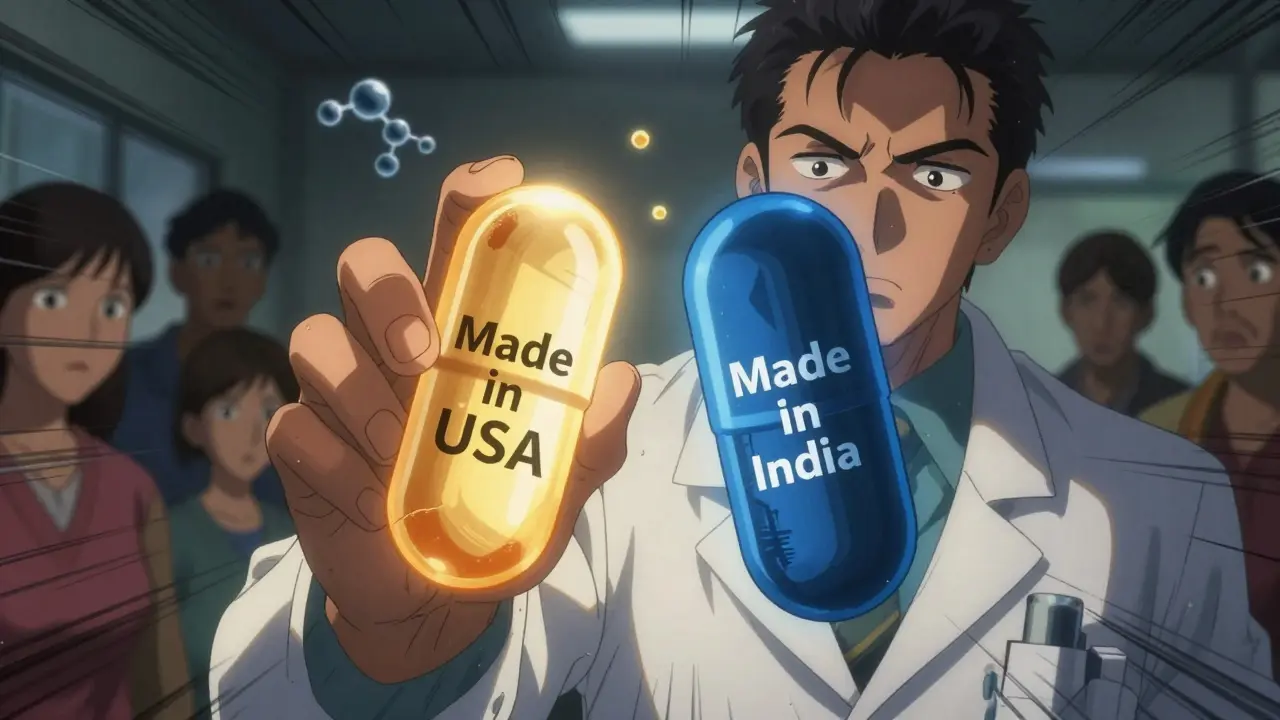
Quality concerns: when clinicians question generic manufacturing
Clinicians are raising alarms about the quality of generic drugs made overseas, especially older ones manufactured in India and China. New data shows higher rates of severe side effects, and inspection gaps are putting patients at risk.
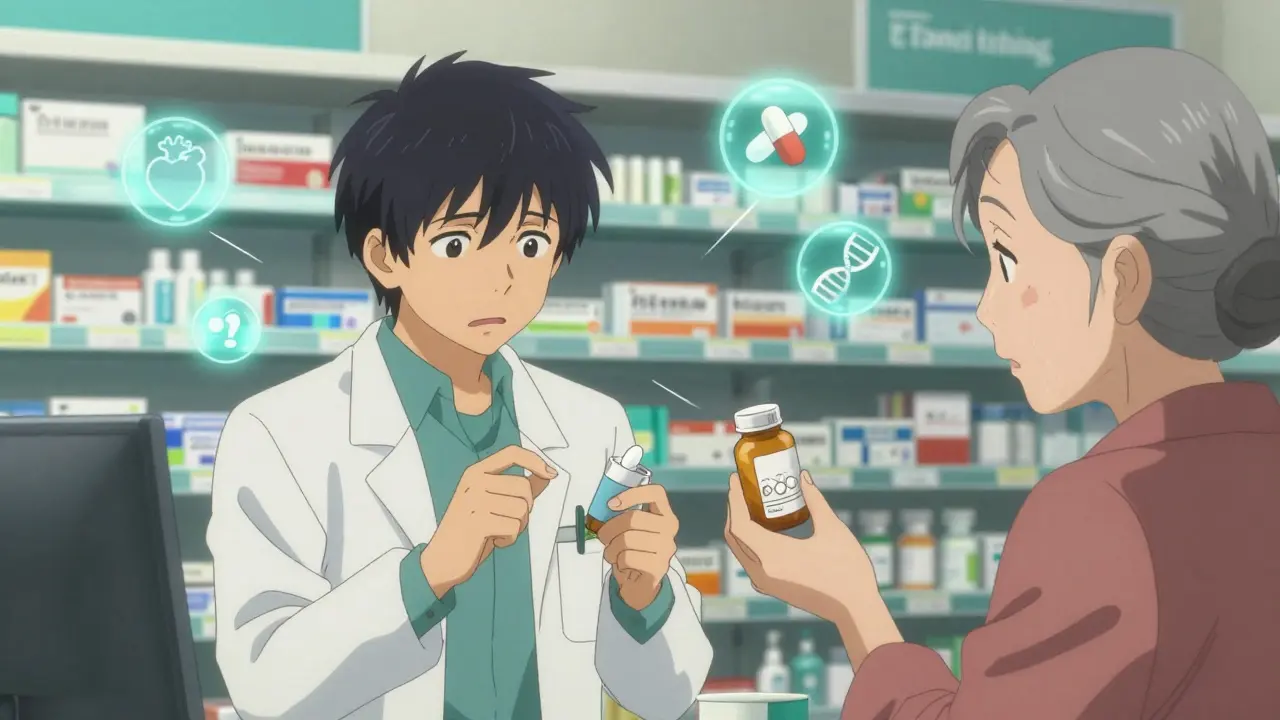
Common Pharmacist Concerns About Generic Substitution: What Really Happens Behind the Counter
Pharmacists support generic substitution to save costs, but face real challenges with patient trust, doctor communication, and complex drug types. Learn what really happens behind the counter.
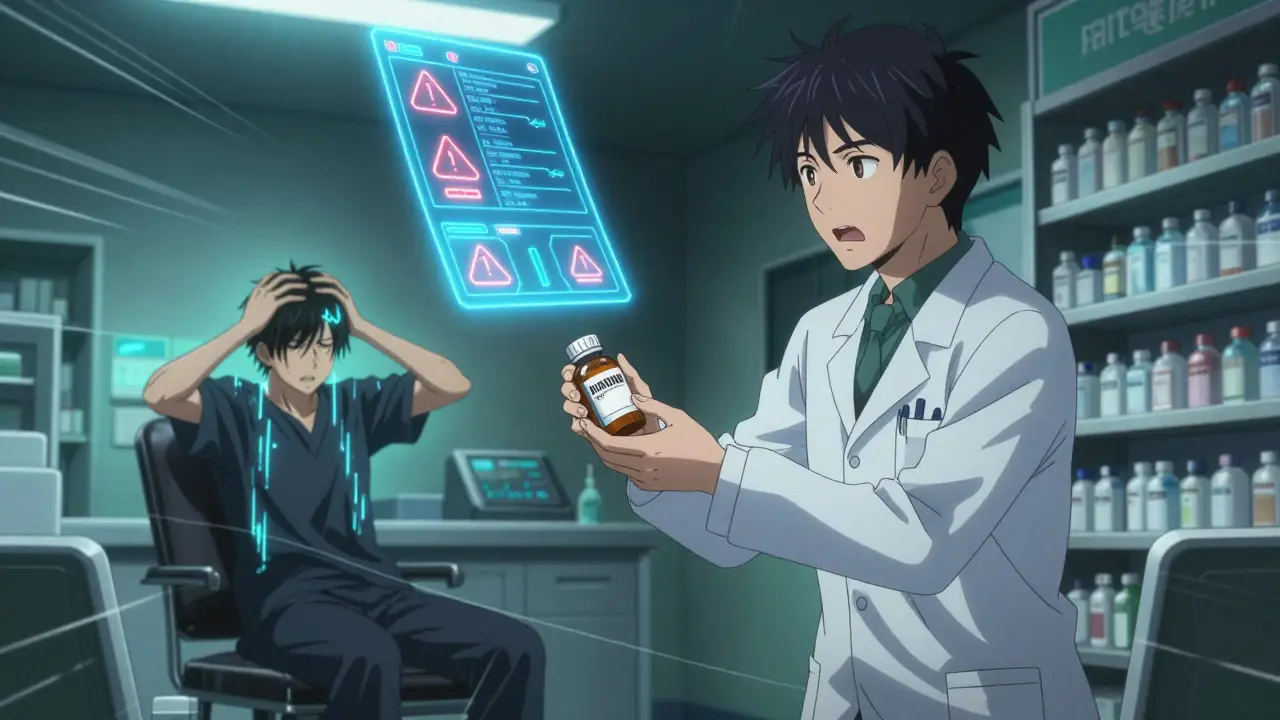
Medical Society Guidelines on Generic Drug Use: What Doctors Really Think
Medical societies have clear, often conflicting positions on generic drug substitution. While most generics are safe, some drugs - like anticonvulsants and blood thinners - require special caution. Here's what doctors really think.
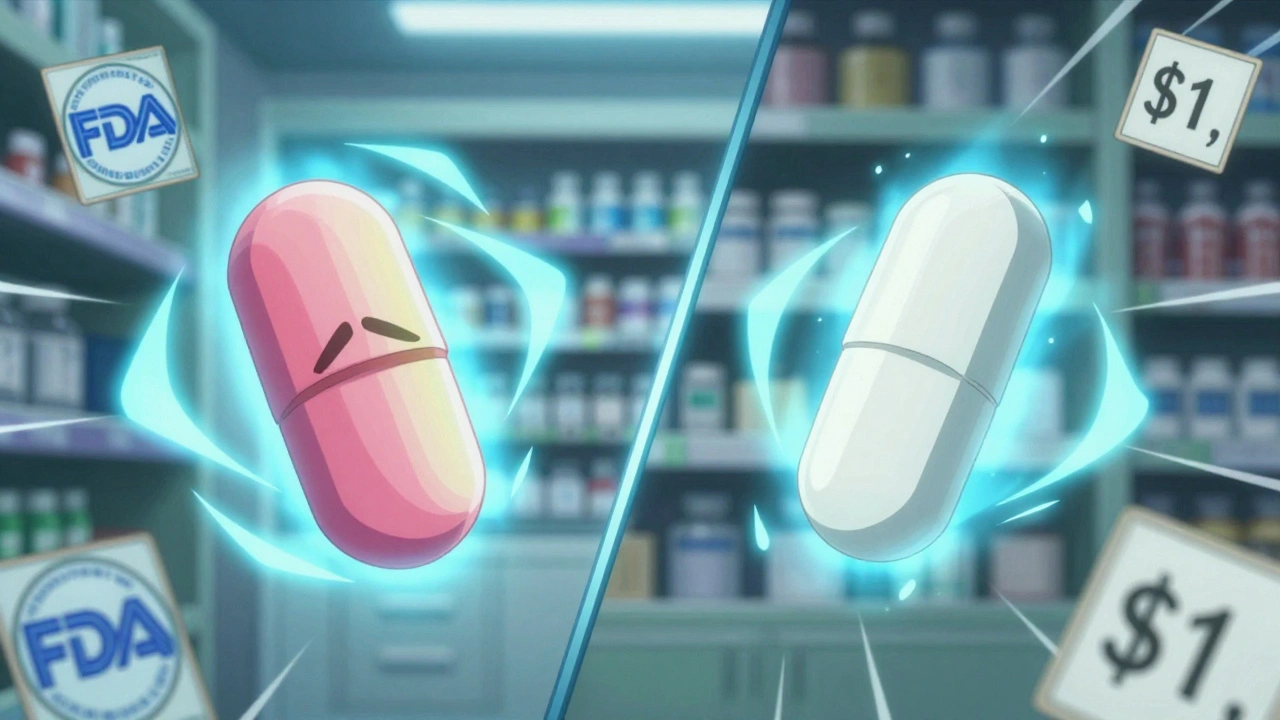
Generic Drugs vs. Brand-Name Medications: What You Really Need to Know
Generic drugs save up to 85% on prescription costs and work just as well as brand-name meds for most people. Learn when they're safe, when to stick with the brand, and how to avoid hidden risks.