
Medication Side Effects: What You Need to Know Before Taking Any Drug
When you take a medication side effect, an unintended reaction to a drug that can range from mild to life-threatening. Also known as adverse drug reaction, it’s not a mistake—it’s biology. Even safe, FDA-approved drugs can trigger reactions because every body responds differently. You might feel a little drowsy after taking antihistamines, or get a stomachache from antibiotics. That’s normal. But some side effects—like irregular heartbeat from a heart drug, or severe diarrhea after antibiotics—need immediate attention.
Not all side effects are listed on the pill bottle. That’s why FDA safety communications, official alerts about newly discovered risks with approved medications. Also known as drug safety alerts, they’re your best tool for staying ahead of hidden dangers. The FDA updates these regularly based on real-world reports. For example, clindamycin can trigger a deadly gut infection called C. difficile, and chlorthalidone might raise your uric acid levels and trigger gout. These aren’t rare flukes—they’re documented patterns. And if you’re on long-term steroids, your adrenal glands might stop working properly unless you taper slowly and get tested with an ACTH stimulation test, a lab test that checks if your body can still produce natural cortisol after stopping steroid meds. Skipping this test is risky.
Side effects aren’t just about the drug—they’re tied to your health, age, other meds, and even how you store your pills. Mixing household chemicals with medications? That’s a poisoning risk. Taking thyroid pills wrong? You could end up with heart palpitations or extreme fatigue. And if you’re buying cheap generics online, you might get fake pills laced with fentanyl. medication safety, the practice of using drugs in a way that minimizes harm and maximizes benefit. Also known as drug safety, it’s not just about following directions—it’s about asking questions, tracking symptoms, and knowing when to call your doctor. That’s why lab monitoring calendars for drugs like lithium or warfarin exist—to catch problems before they escalate.
Some side effects are manageable. Others mean you need to switch meds. But you won’t know unless you pay attention. The posts below give you real, practical advice: how to read FDA alerts, how to tell if your symptoms are normal or dangerous, how to test for true antibiotic allergies, and what to do when a drug you’ve been taking for years suddenly starts causing new problems. You’ll find stories from people who ignored early warning signs—and those who caught them in time. No fluff. Just what works.

Evidence-Based Complementary Treatments for Medication Side Effects
Discover evidence-based complementary treatments that help manage medication side effects like nausea, fatigue, and pain-without replacing your prescriptions. Learn what works, what to avoid, and how to talk to your doctor.

Medication Side Effects: Common Reactions and When to Seek Help
Learn about common medication side effects, when they’re harmless, and which ones require immediate medical attention. Know what to watch for and how to report dangerous reactions.
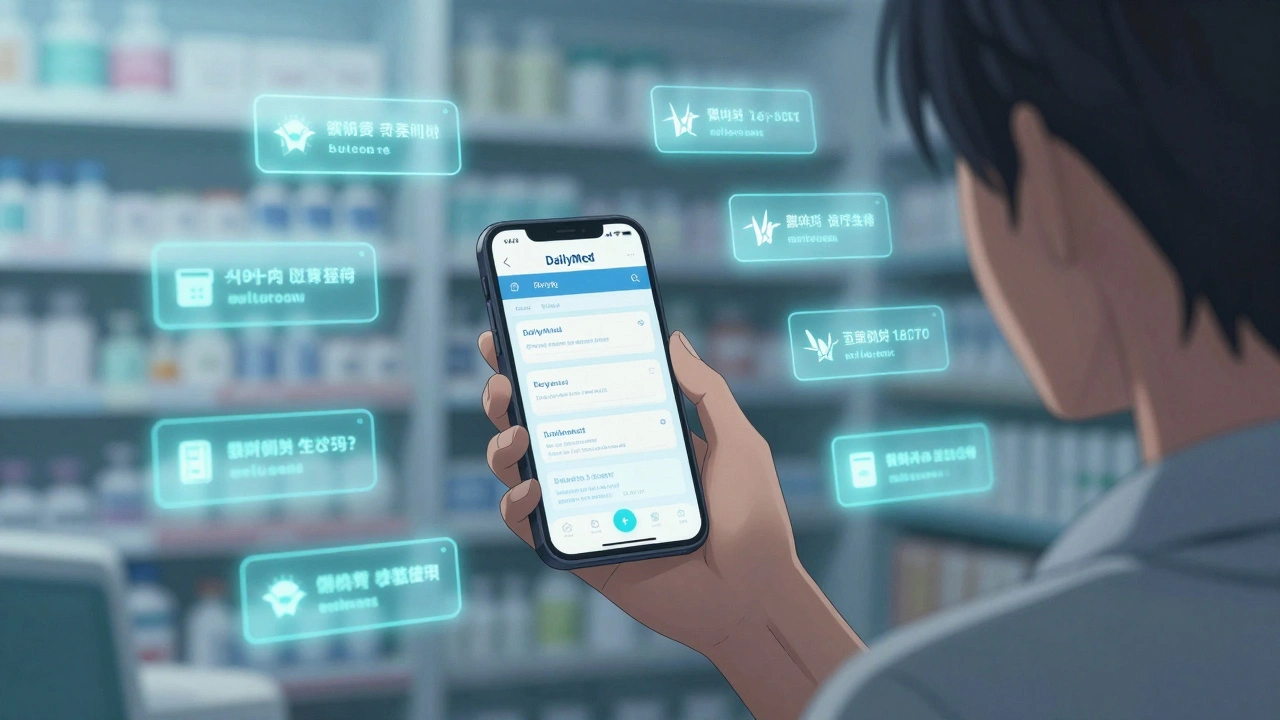
Where to Find Detailed Side Effect Information for Your Medications
Find reliable, up-to-date side effect information for your medications using FDA-approved sources like DailyMed, OnSIDES, and VigiAccess. Avoid outdated or biased tools and learn how to interpret real-world data safely.

Tolerance Development: Will Your Medication Side Effects Improve Over Time?
Many medication side effects improve over time as your body builds tolerance. Learn which ones fade, which don't, and how long to wait before taking action.

Early Warning Signs of Dangerous Medication Side Effects: What to Watch For
Learn the early warning signs of dangerous medication side effects that can turn life-threatening. Know when to act fast, who’s at highest risk, and how to protect yourself from hidden drug reactions.