
Medications: Safe Buying, Treatment Tips and Smart Alternatives
Want straightforward help with medications? This page collects our best, practical guides on buying meds, spotting fake pharmacies, and choosing alternatives. Whether you’re looking for acne creams, heart emergency drugs, or epilepsy treatment, you’ll find clear advice and links to focused articles like Finast, Soolantra, Carbamazepine and more.
How to buy meds online safely
Start by checking the pharmacy’s credentials. Look for a physical address, a licensed pharmacist listed, and clear contact info. If a site sells prescription-only drugs without asking for a prescription, walk away. Prices that are way lower than usual can mean counterfeit or expired products.
Read customer reviews but be careful—some reviews are fake. Use pharmacy verification services in your country or look for well-known accreditation logos. Check shipping policies and return rules before you pay. Keep records of your order and payment in case you need a refund or to report a problem.
For specific meds, follow the article guidance. For example, our Finast guide covers safe buying options in Australia; the Benzoyl article explains how to spot legit UK sellers. If you need controlled medicines like Carbamazepine, follow local prescription rules and consult your doctor before ordering online.
Find the right treatment and alternatives
Not every drug fits every person. If you’re managing skin issues, read the Soolantra piece to understand how ivermectin cream works and when it helps. For nausea, our Motilium alternatives list gives options for mild and severe cases. If a medicine causes side effects or isn’t available, the alternatives articles (Symbicort, Flagyl, Antabuse) spell out workable substitutes and what to ask your clinician.
Talk to your healthcare provider about side effects, interactions and proper dosing. Bring a list of other meds, supplements, and health conditions to make that conversation useful. If you’re switching drugs, ask about monitoring and how quickly you should expect improvement or side effects.
Handling and storage matter. Some meds need refrigeration, others must stay dry and away from light. Follow label instructions and keep medicines out of reach of children. Dispose of expired or unused meds safely—many pharmacies offer take-back programs.
Ready to read deeper? Start with the short guides listed on this category page: they cover practical buying tips, safety checks, and clear comparisons of alternatives. If you have questions about a specific article or medicine here, mention it and we’ll point you to the most relevant guide.

Medicare Part D Guide: Drug Coverage and Cost Assistance for 2026
Learn how the 2026 Medicare Part D updates, including the $2,100 out-of-pocket cap and the end of the donut hole, help seniors lower their prescription drug costs.
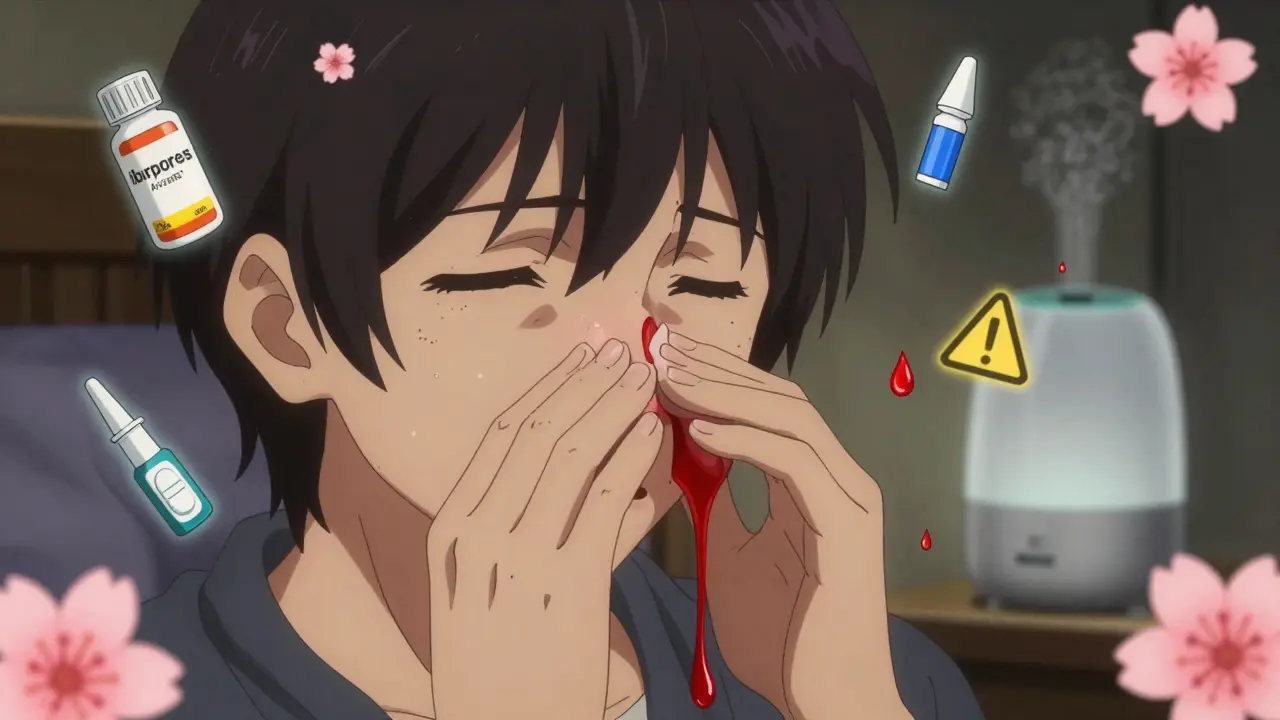
Nosebleeds Linked to Medications: Common Causes and How to Prevent Them
Nosebleeds are often caused by common medications like NSAIDs, aspirin, and blood thinners. Learn which drugs trigger them, how to prevent them with simple habits, and when to seek medical help.
Teaching Children About Medication Safety: What Kids Need to Know About Generic Drugs
Teaching children about generic drugs helps them understand that medicine works the same, no matter the label. Simple, age-appropriate lessons build safety, confidence, and smart health habits early.
Unexpected Side Effects from Generic Medications: When to Seek Help
Generic medications save money but can trigger unexpected side effects due to differences in inactive ingredients. Learn the warning signs, which drugs carry the highest risk, and when to seek medical help after a switch.

Second-Generation Antihistamines: Safer Allergy Relief with Fewer Side Effects
Second-generation antihistamines like loratadine, cetirizine, and fexofenadine offer effective allergy relief without the drowsiness of older options. Learn how they work, what they’re good for, and which one might be best for you.
Statin Discontinuation: When to Stop and How to Manage Safely
Stopping statins can be safe-or dangerous-depending on your health. Learn who should quit, who shouldn't, and how to do it without risking a heart attack. Based on the latest research and real-world data.

Fake generic drugs: how counterfeits enter the supply chain
Counterfeit generic drugs are slipping into global supply chains through weak oversight, grey markets, and online pharmacies. Learn how they’re made, how they get through, and what you can do to protect yourself.
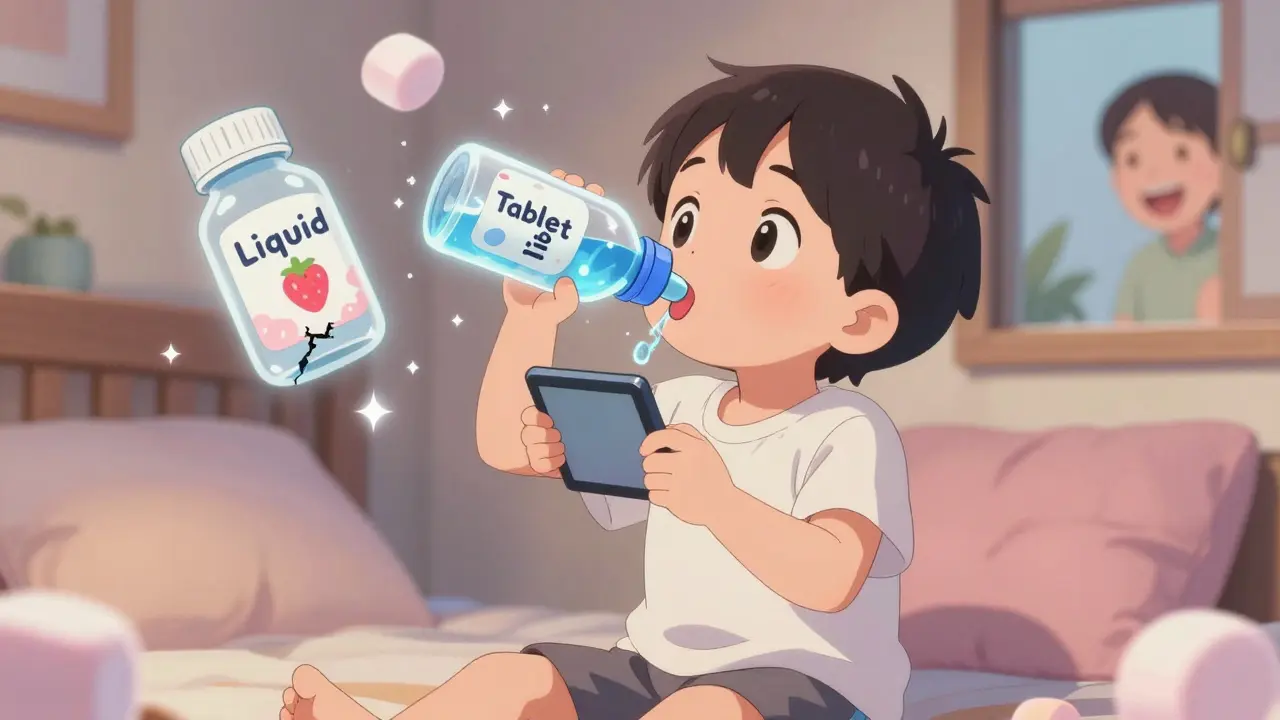
Liquid vs. Tablet Medications for Children: What to Choose
Liquid or tablet meds for kids? It's not about age-it's about fit. Tablets are now safer, cheaper, and often preferred by children. Learn when to choose each option and how to teach swallowing.
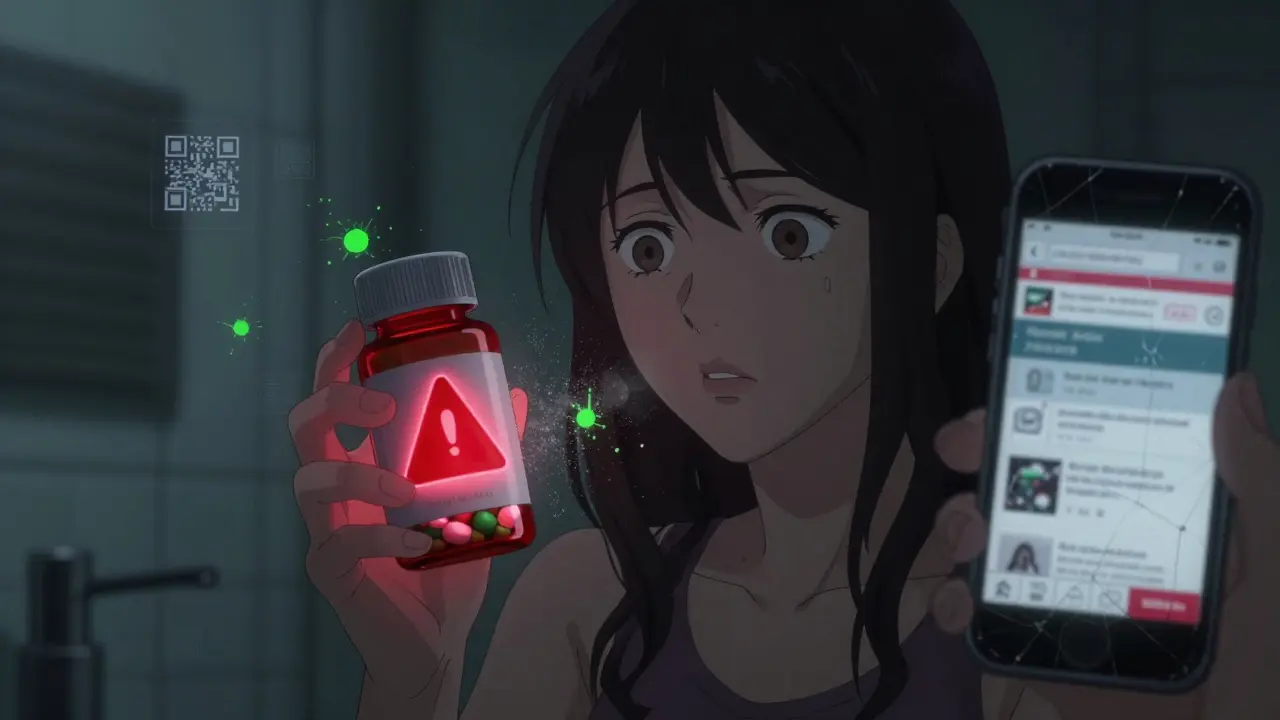
Counterfeit Generics: How to Protect Yourself from Fake Medications
Counterfeit generics are fake medications that look real but contain no active ingredients or dangerous substitutes. Learn how to spot them, where they come from, and how to protect yourself from dangerous fake drugs like Ozempic and antibiotics.
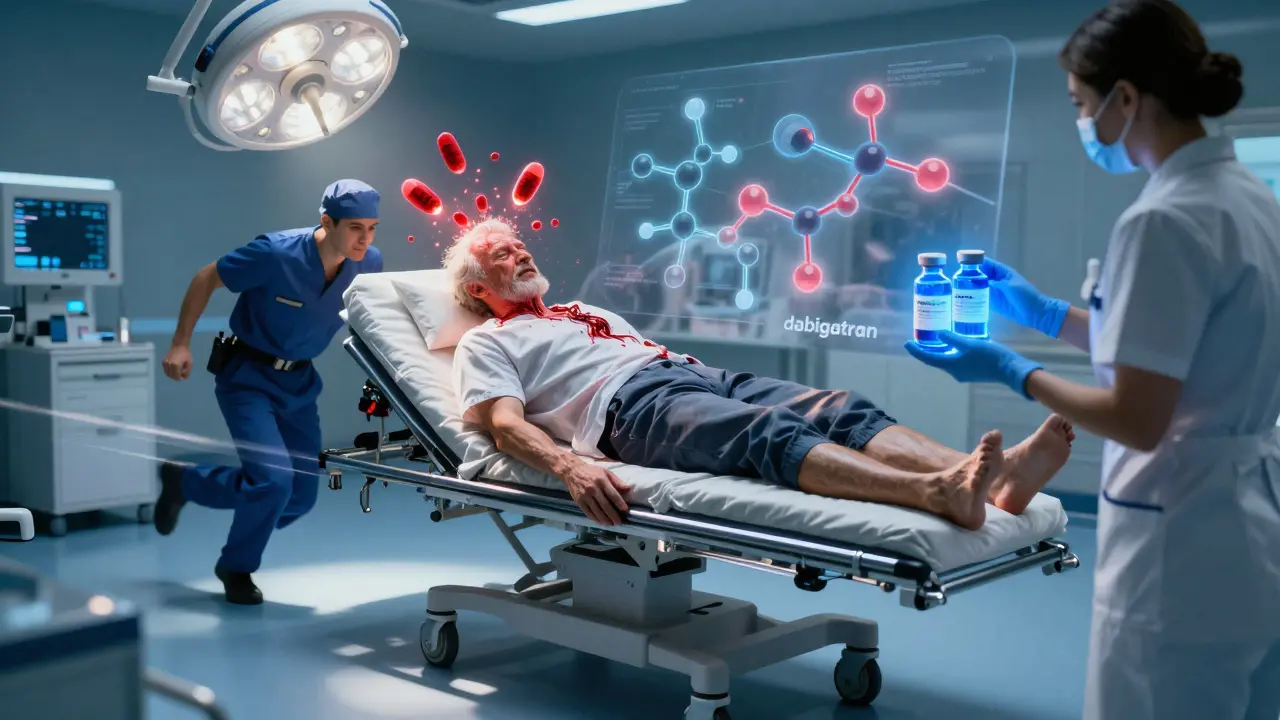
Anticoagulant Reversal Agents: Idarucizumab, Andexanet Alfa, PCC, and Vitamin K Explained
Learn how idarucizumab, andexanet alfa, PCC, and vitamin K reverse blood thinners in emergencies. Compare speed, safety, cost, and real-world use for warfarin and DOACs.